The scientifically inaccurate poet who shaped the ancient Roman sky
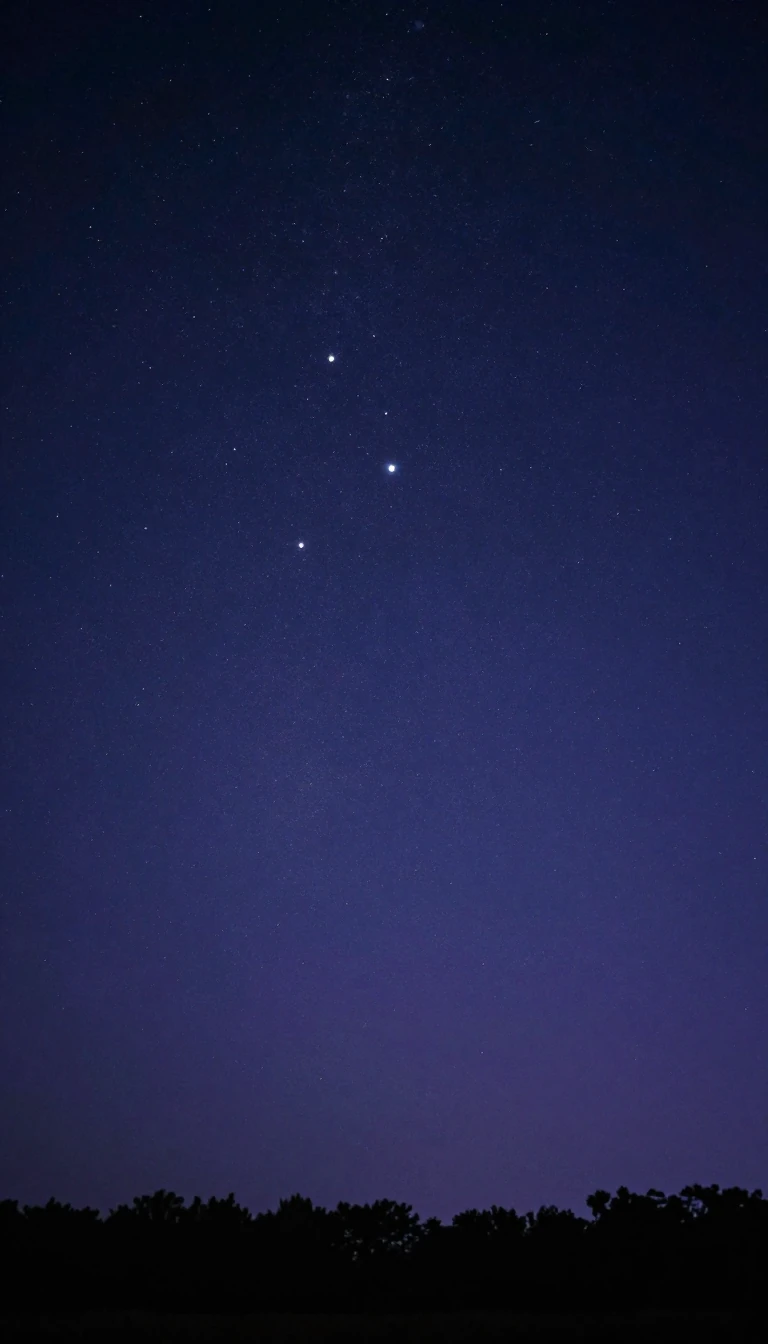
In short: He wasn't a mathematician or an astronomer, yet his verses became the definitive guide to the stars for centuries. Aratus turned complex celestial observations into popular hexameter verse, creating a literary masterpiece so influential that even the Roman giants like Virgil and Ovid could not ignore him.
Aratus of Soli, active around 315/310 to 240 BC, was a Greek didactic poet whose most famous work, the *Phenomena*, was a verse adaptation of lost prose works by Eudoxus of Cnidus. While his poem provided an essential introduction to the constellations, the rules of their rising and setting, and the paths of the sun and planets, it was far from a precise scientific manual. Aratus lacked the mathematical rigor of a true observer; his work contains significant errors, including incorrect stellar configurations and phenomena that are physically impossible at any single latitude or epoch.
The popularity of his work stemmed from its accessibility rather than its accuracy. The *Phenomena* (732 verses) and its companion, the *Dioseme meia* (422 verses), focused on weather lore and the movement of the heavens. The latter, which provided forecasts based on astronomical signs and their effects on animals, drew heavily from sources like Aristotle’s *Meteorologica* and the works of Hesiod. Because of this rhythmic, instructional style, the poem became a staple of Hellenistic and Roman education, inspiring countless commentaries and Latin translations by figures such as Cicero, Ovid, and Germanicus.
Despite the scientific discrepancies noted by later astronomers like Hipparchus, Aratus's cultural footprint was immense. His influence reached beyond literature into theology, as evidenced by the Apostle Paul quoting a line from the *Phenomena* in the Book of Acts. Today, his legacy is preserved not just in the libraries of classical scholars, but in the heavens themselves, through the naming of the lunar crater Aratus and the minor planet 12152 Aratus.
Opens the Intellect+ feed with this card first. Swipe up for the next one.
Sources
- Summary by Intellect · source: Aratus
To cite this card, link to https://intellectplus.co.uk/app/ideas-aratus.
How we source, check and correct cards: Editorial standards.
General information, not professional advice. Spotted an error? Flag the card or see corrections and complaints.
Intellect Plus is a visual educational discovery platform for exploring fascinating facts and ideas. Brain Food, Not Brain Rot. What is Intellect Plus?
Related
More in Writers · More in Ideas & Philosophy · Latest · A–Z · All topics
