Aristaeus: The forgotten Greek deity who taught humanity how to survive and thrive
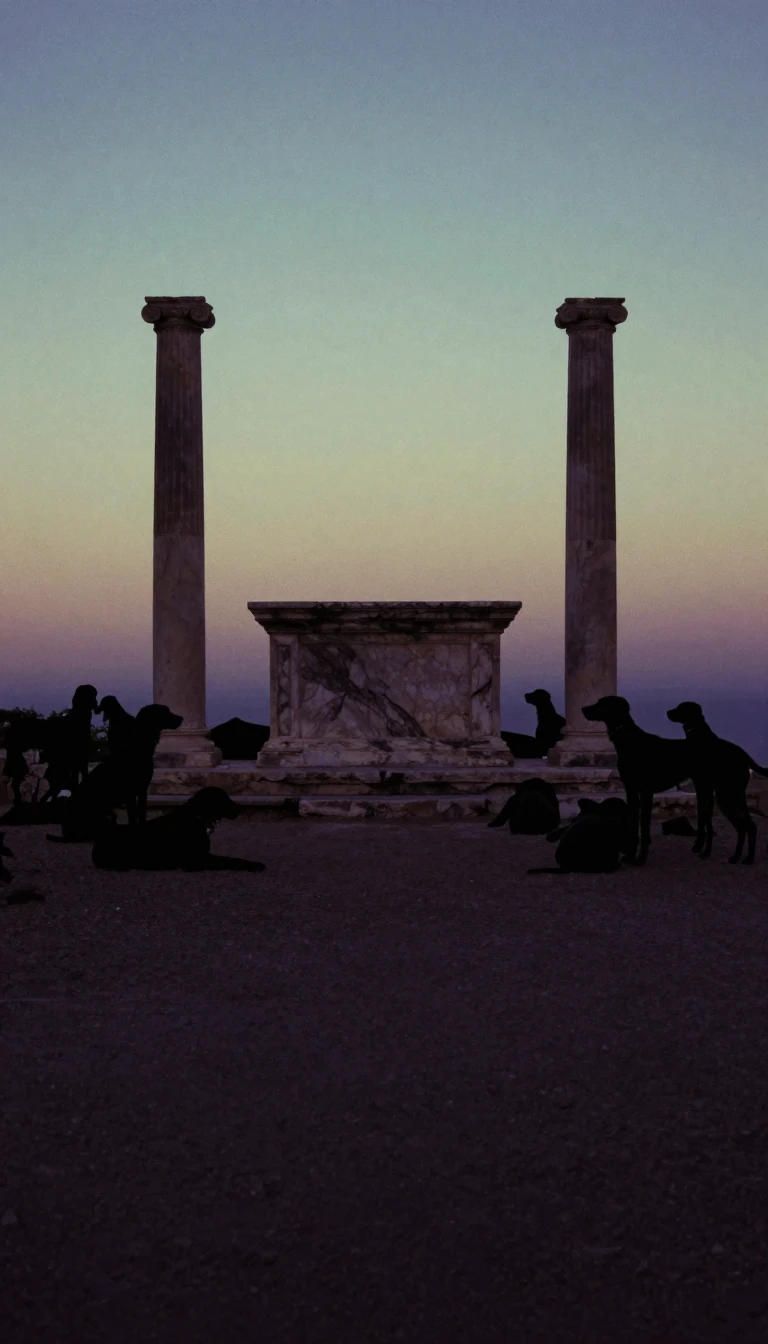
In short: Known as the best, Aristaeus was a master of rural arts, from beekeeping to viticulture. Born to Apollo and a huntress, he traveled the ancient world as a civilizing hero, teaching humans how to harness nature. His legacy spans from mysterious weather rituals to the origins of modern agriculture.
Aristaeus, whose name functions as an epithet meaning the best, was a central figure in the transmission of practical knowledge to humanity. Rather than a singular origin story, his narrative was woven across diverse regions including Boeotia, Sardinia, and Libya to explain his widespread cult status. As a son of Apollo and the huntress Cyrene, he was raised by nymphs who instructed him in the foundational arts of survival, such as curdling milk, cultivating olives, and managing beehives.
His role as a culture hero involved a vast curriculum of expertise. He was credited with learning prophecy and healing from Chiron, hunting and trapping from Artemis, and agriculture from Demeter. His influence extended to the mechanical and domestic spheres, as he was said to have mastered weaving, metalwork, and baking. These skills positioned him as a patron of everything from orchards and vineyards to gristmills and rope-making, effectively serving as a divine architect of the rural economy.
The myth of Aristaeus also highlights his role in environmental and social regulation. In Ceos, he was celebrated for ending a plague by identifying murderers and performing specific sacrifices to appease the Dog-Star, Sirius, thereby ushering in the cooling Etesian winds. His connection to bees is perhaps his most enduring legend; after his pursuit of Eurydice led to her death, he sought to restore his dying swarm through a ritual sacrifice of cattle. This act of atonement, which resulted in the spontaneous generation of new bees, became a foundational story for apiarists.
While he was a prominent figure in Boeotia—often depicted as a winged youth—his influence eventually transcended Greek borders. He was revered by various populations as a god who had completed his civilizing mission, eventually settling on Mount Haemus. His presence on ancient coinage and in the historical records of Athenian archons confirms that Aristaeus was more than a mere myth; he was a vital symbol of the human mastery over the natural world.
Opens the Intellect+ feed with this card first. Swipe up for the next one.
Sources
- Summary by Intellect · source: Aristaeus
To cite this card, link to https://intellectplus.co.uk/app/ideas-aristaeus.
How we source, check and correct cards: Editorial standards.
General information, not professional advice. Spotted an error? Flag the card or see corrections and complaints.
Intellect Plus is a visual educational discovery platform for exploring fascinating facts and ideas. Brain Food, Not Brain Rot. What is Intellect Plus?
Related
More in Greek mythology · More in Ideas & Philosophy · Latest · A–Z · All topics
