The Athenian billionaire who taught Roman emperors and built monuments across the ancient world
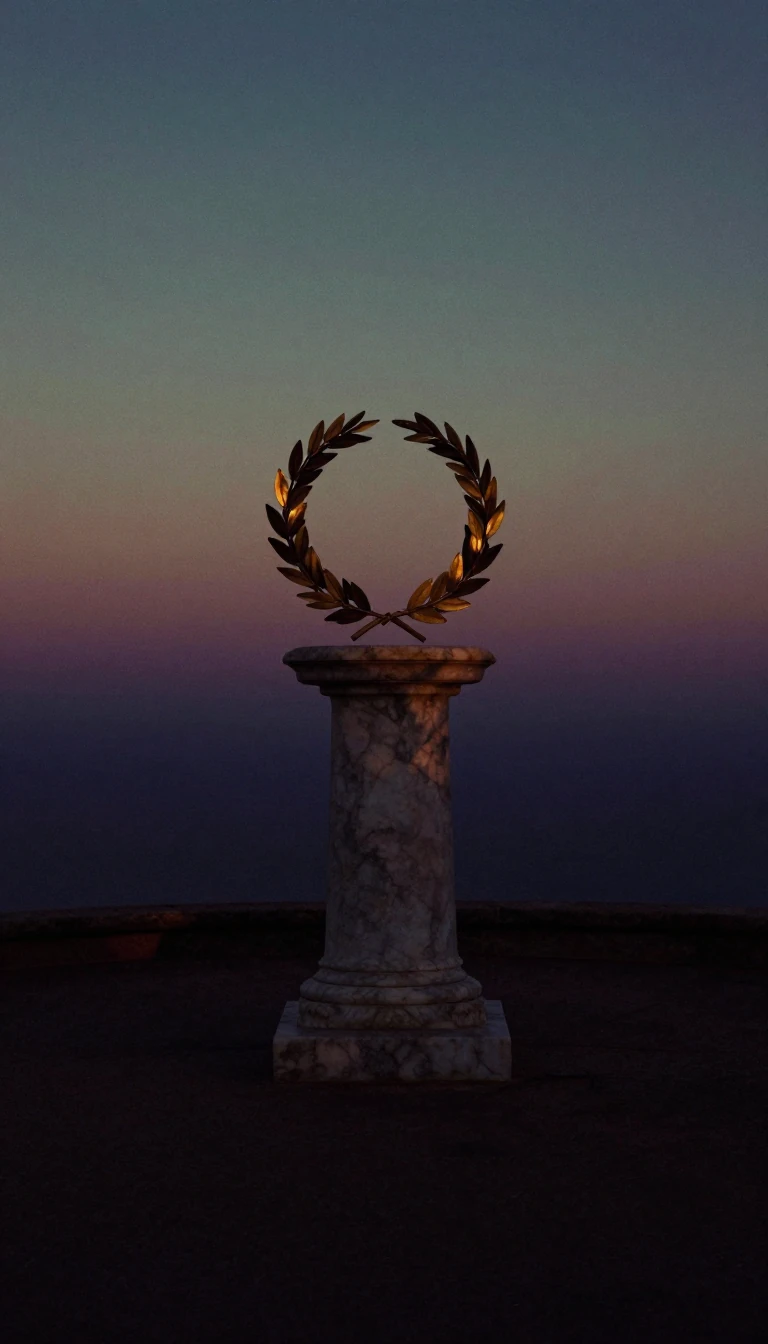
In short: Herodes Atticus was a titan of the Antonine era, a Greek rhetorician who amassed immense wealth and political influence. As a tutor to future Roman emperors and a prolific benefactor, he reshaped the landscape of Greece and Italy with lavish public works, leaving behind a legacy of marble and controversy.
Born in AD 101, Herodes Atticus belonged to an exceptionally affluent family with deep roots in Athenian nobility and Roman politics. His father, Tiberius Claudius Atticus Herodes, was the first Athenian to serve as a Roman consul. Herodes himself followed this path, reaching the consulship in 143 under the patronage of Emperor Antoninus Pius. He was a central figure in the Second Sophistic movement, known for his mastery of rhetoric and his dedication to philosophy, even as he maintained a critical stance toward Stoicism.
His influence extended far beyond the lecture hall. Herodes was a monumental philanthropist, funding more infrastructure projects in Roman Greece than any figure outside the imperial family. He owned lucrative marble quarries on Mount Pentelicus and vast estates, including the Triopion near Rome and a sprawling villa in Marathon. His architectural projects were often deeply personal; he built the Nymphaeum at Olympia and a sanctuary to Isis at Brexiza, designed to mirror the aesthetic of Hadrian’s Villa.
Despite his success, his life was marked by tragedy and scandal. In 160, his wife Appia Annia Regilla died following a premature labor induced by a beating from one of his freedmen. Although he was accused of ordering the assault, he was exonerated by his former student, Emperor Marcus Aurelius. Later in life, he faced intense public grief after the death of his favorite pupil, Polydeuces, leading him to commission elaborate memorials. By the time of his death in 177, he had left an indelible mark on the Roman world, though his complex relationship with his fellow citizens occasionally led to public friction and even the erasure of his name from monuments.
The scale of his ambition is evident in the surviving remnants of his life, from the sarcophagi in Kifissia to the busts now housed in the Louvre and Oxford. He remains a singular example of the intersection between Greek cultural pride and Roman political power, a man who moved comfortably between the highest echelons of imperial society while remaining, in his own outlook, entirely Greek.
Opens the Intellect+ feed with this card first. Swipe up for the next one.
Sources
- Summary by Intellect · source: Herodes Atticus
To cite this card, link to https://intellectplus.co.uk/app/ideas-herodes-atticus.
How we source, check and correct cards: Editorial standards.
General information, not professional advice. Spotted an error? Flag the card or see corrections and complaints.
Intellect Plus is a visual educational discovery platform for exploring fascinating facts and ideas. Brain Food, Not Brain Rot. What is Intellect Plus?
Related
More in Philosophers · More in Ideas & Philosophy · Latest · A–Z · All topics
