Why a legendary prince abandoned his kingdom to stand motionless for twelve years
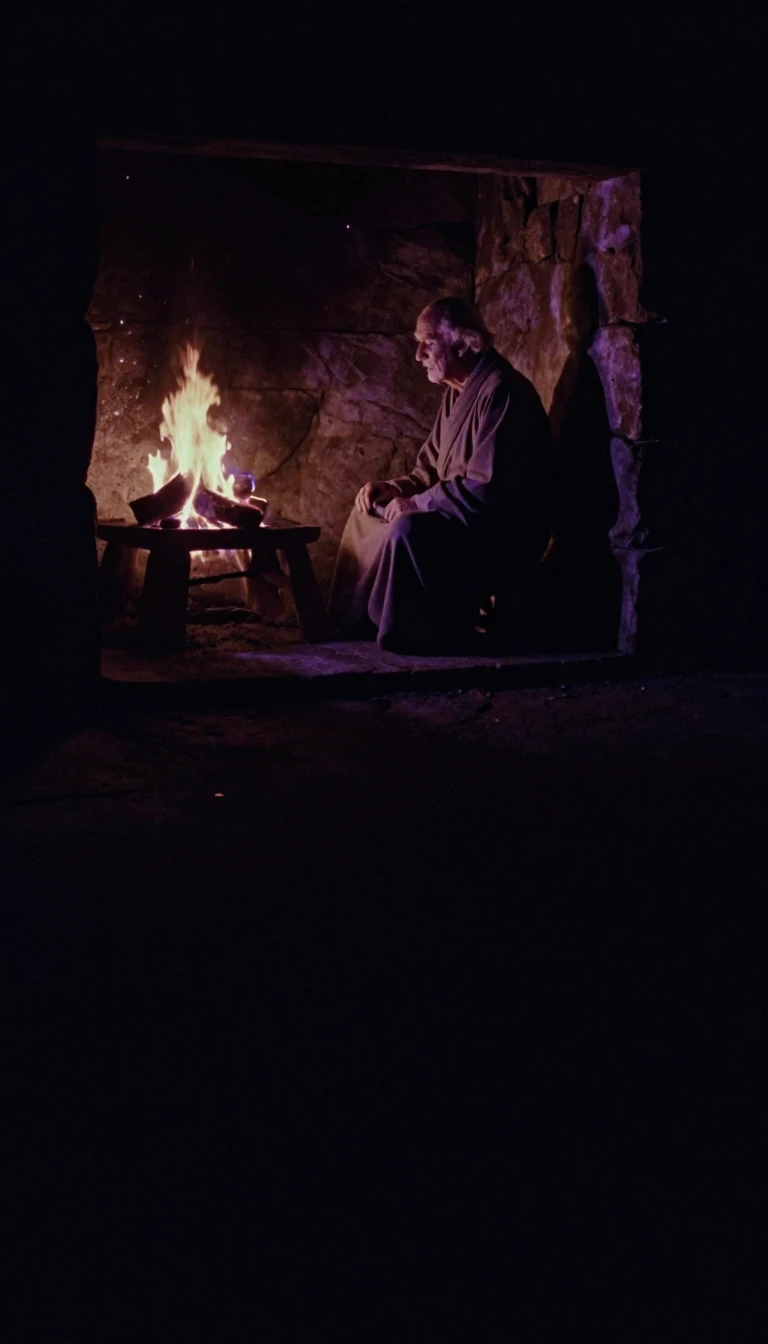
In short: Bahubali, a figure of immense physical power, once challenged his brother for imperial control. After winning a series of contests, he realized the futility of conflict over worldly power. He renounced his throne and possessions, choosing a life of extreme asceticism that led to his eventual spiritual liberation.
Born to the first tirthankara, Rishabhanatha, Bahubali was a prince of the Ikshvaku dynasty. When his father divided his kingdom among his sons, Bahubali received the southern territory of Asmaka. Conflict arose when his brother, Bharata, sought to consolidate power over all regions. While most brothers surrendered, Bahubali refused, leading to a series of non-lethal contests—including wrestling and staring matches—which Bahubali won. Despite his victory, the realization of his brother's humiliation and the vanity of earthly rule prompted him to abandon his life as a king.
Bahubali’s path to enlightenment involved the practice of kayotsarga, a form of motionless standing meditation. Jain texts describe him standing so still for a year that vines, ants, and dust enveloped his body. This intense focus allowed him to overcome the karmic obstacles that obscured his knowledge. His eventual attainment of omniscience, or kevala jnana, is a central theme in Jain tradition, marking him as a liberated soul, or siddha. His story is famously chronicled in the 9th-century Sanskrit poem, the Adipurana, composed by the monk Jinasena.
The legacy of Bahubali is physically manifested in monumental monolithic statues across India. The most famous, a 17.4-meter colossus at Shravanabelagola, was commissioned by the minister Chavundaraya in 981 CE. These statues, often depicting him with vines wrapped around his legs, serve as focal points for pilgrimage and the Mahamastakabhisheka ritual. From the small 11.1 cm Chalukyan-period icon held at the Metropolitan Museum of Art to massive modern installations, Bahubali remains a profound symbol of renunciation and spiritual victory over the self.
Opens the Intellect+ feed with this card first. Swipe up for the next one.
Sources
- Summary by Intellect · source: Bahubali
To cite this card, link to https://intellectplus.co.uk/app/ideas-bahubali.
How we source, check and correct cards: Editorial standards.
General information, not professional advice. Spotted an error? Flag the card or see corrections and complaints.
Intellect Plus is a visual educational discovery platform for exploring fascinating facts and ideas. Brain Food, Not Brain Rot. What is Intellect Plus?
Related
More in Mythology · More in Ideas & Philosophy · Latest · A–Z · All topics
