Why the Benedictine monks are not actually a single religious order
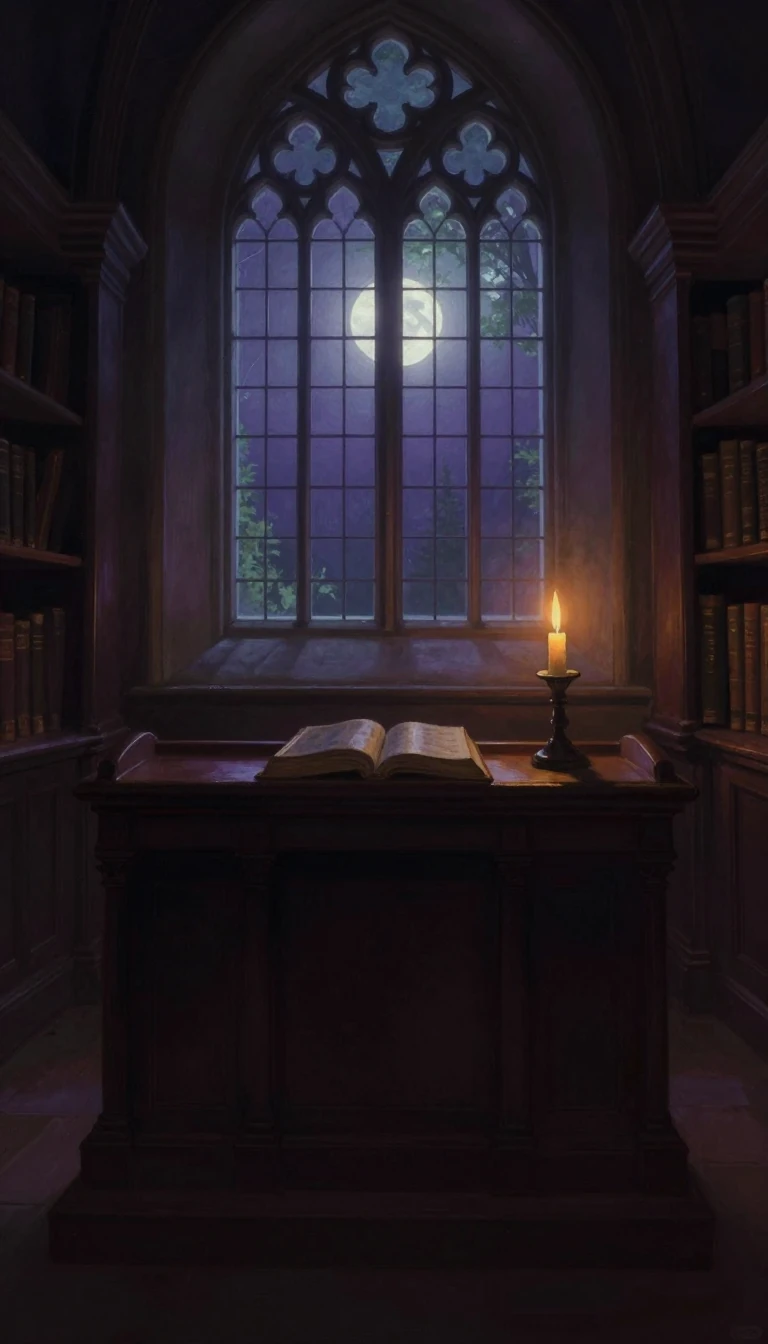
In short: The Benedictines are famous for shaping Western monasticism, yet they lack a central hierarchy. Instead of a unified organization, they function as a collection of autonomous monasteries. Each house operates independently under the Rule of Saint Benedict, a guide written in the 6th century that balances spiritual rigor with human moderation.
Born around 480 CE, Benedict of Nursia founded his first monastery at Subiaco and later established the famous Abbey of Monte Cassino. His Rule, which emphasized community life over the dangers of solitary hermitage, became the standard for monastic living across Europe. By the 9th century, it was the dominant form of monasticism in the West, eventually displacing stricter alternatives like the Celtic Rule. Pope Paul VI later named Benedict the patron saint of all Europe, recognizing the role his monks played in the continent's civilization.
The Benedictine system is defined by its decentralization. Each monastery is autonomous, with an abbot elected for life who holds supreme power within his community. While the abbot must answer to God, he is not bound by the advice of his monks. This structure reflects Benedict’s original intent; there is no evidence he aimed to create a formal order. Instead, the Rule presupposes that each community is a self-governing entity. It was not until 1893 that the Benedictine Confederation was established to represent shared interests internationally.
Central to the Benedictine life is the vow of stability, which binds a monk to a specific location for life. This commitment stood in contrast to the later rise of mendicant orders like the Franciscans and Dominicans, who were not bound by place and could adapt more easily to urban environments. While the Benedictines flourished through the Middle Ages, their influence faced challenges from the appointment of commendatory abbots—laypeople who often seized monastic assets—and the emergence of new branches like the Cistercians in 1098.
The Rule itself remains a masterpiece of discretion and clarity. It provides precise instructions for daily life, including the canonical hours, sleep, and diet, while insisting on the prohibition of private ownership. By mandating a full year of probation before a solemn vow, Benedict ensured that the community remained a cohesive, disciplined body. His focus on humility and obedience continues to serve as a spiritual treasury, influencing institutional governance far beyond the walls of the monastery.
Opens the Intellect+ feed with this card first. Swipe up for the next one.
Sources
- Summary by Intellect · source: Benedictine | Definition, History, & Facts | Britannica
- Also: Benedictines
To cite this card, link to https://intellectplus.co.uk/app/ideas-benedictines.
How we source, check and correct cards: Editorial standards.
General information, not professional advice. Spotted an error? Flag the card or see corrections and complaints.
Intellect Plus is a visual educational discovery platform for exploring fascinating facts and ideas. Brain Food, Not Brain Rot. What is Intellect Plus?
Related
More in Abrahamic religions · More in Ideas & Philosophy · Latest · A–Z · All topics
