The physician who traveled to India to find a book that could revive the dead
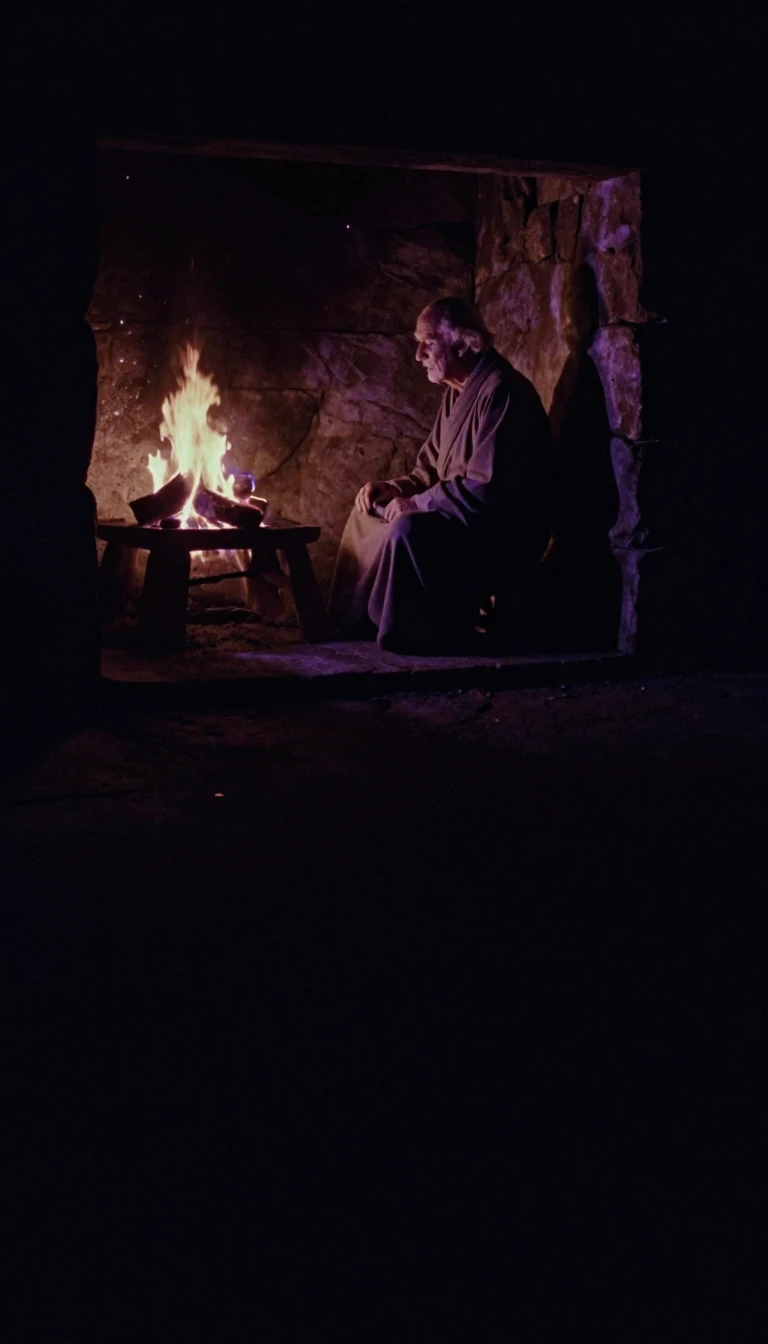
In short: In the late Sasanian era, the physician Borzuya embarked on a royal mission to India to discover a mythical plant capable of resurrecting the deceased. Instead, he found a book of wisdom that would change history. His journey remains a blend of legend, philosophy, and the pursuit of eternal knowledge.
Borzuya served under the Sasanian king Khosrow I, who dispatched him to India with a singular, impossible goal: to secure a plant that could bring the dead back to life. Upon arriving, Borzuya encountered a philosopher who revealed that the true source of life-giving power was not a botanical specimen, but a manuscript known as the Panchatantra. Locked away in the rajah's treasury, the text was guarded with extreme jealousy, and Borzuya was granted permission only to read it, not to copy it.
Defying the rajah's strict prohibition, Borzuya committed the text to memory day by day, secretly transcribing it into Pahlavi. When he returned to Persia, he presented the translation to Khosrow I. The king, deeply moved, declared that the work had provided his soul with new life. In a display of profound humility, Borzuya refused the king's offer of gold and jewels. Instead, he requested only a fine suit of clothes and the honor of having his name inscribed within the text, ensuring that future scholars would remember the immense hardships he endured to secure the wisdom contained within.
The legacy of this translation is complex. While both the original Sanskrit Panchatantra and Borzuya's Pahlavi version are lost, the work survived through an Arabic translation by Ibn al-Muqaffa, titled Kalila wa-Dimna. The introduction to this work offers a rare glimpse into Borzuya's inner life, detailing his skepticism toward religious orthodoxy, his commitment to philanthropic medicine, and his eventual turn toward asceticism. Scholars like François de Blois have identified five distinct versions of this voyage, noting that while the specific details of his mission vary, the core themes of statecraft and the struggle to acquire forbidden knowledge remain constant.
Debate persists regarding Borzuya's identity, specifically whether he is the same figure as the legendary Bozorgmehr. While most sources distinguish between the two, the linguistic similarity suggests that Borzuya may occasionally serve as a shorthand for the latter. Regardless of his exact historical footprint, Borzuya remains a pivotal figure whose intellectual labor bridged the gap between Indian philosophy and the wider world.
Opens the Intellect+ feed with this card first. Swipe up for the next one.
Sources
- Summary by Intellect · source: Borzuya
To cite this card, link to https://intellectplus.co.uk/app/ideas-borzuya.
How we source, check and correct cards: Editorial standards.
General information, not professional advice. Spotted an error? Flag the card or see corrections and complaints.
Intellect Plus is a visual educational discovery platform for exploring fascinating facts and ideas. Brain Food, Not Brain Rot. What is Intellect Plus?
Related
More in Writers · More in Ideas & Philosophy · Latest · A–Z · All topics
