How Italy’s White Whale dominated politics for fifty years before collapsing into scandal
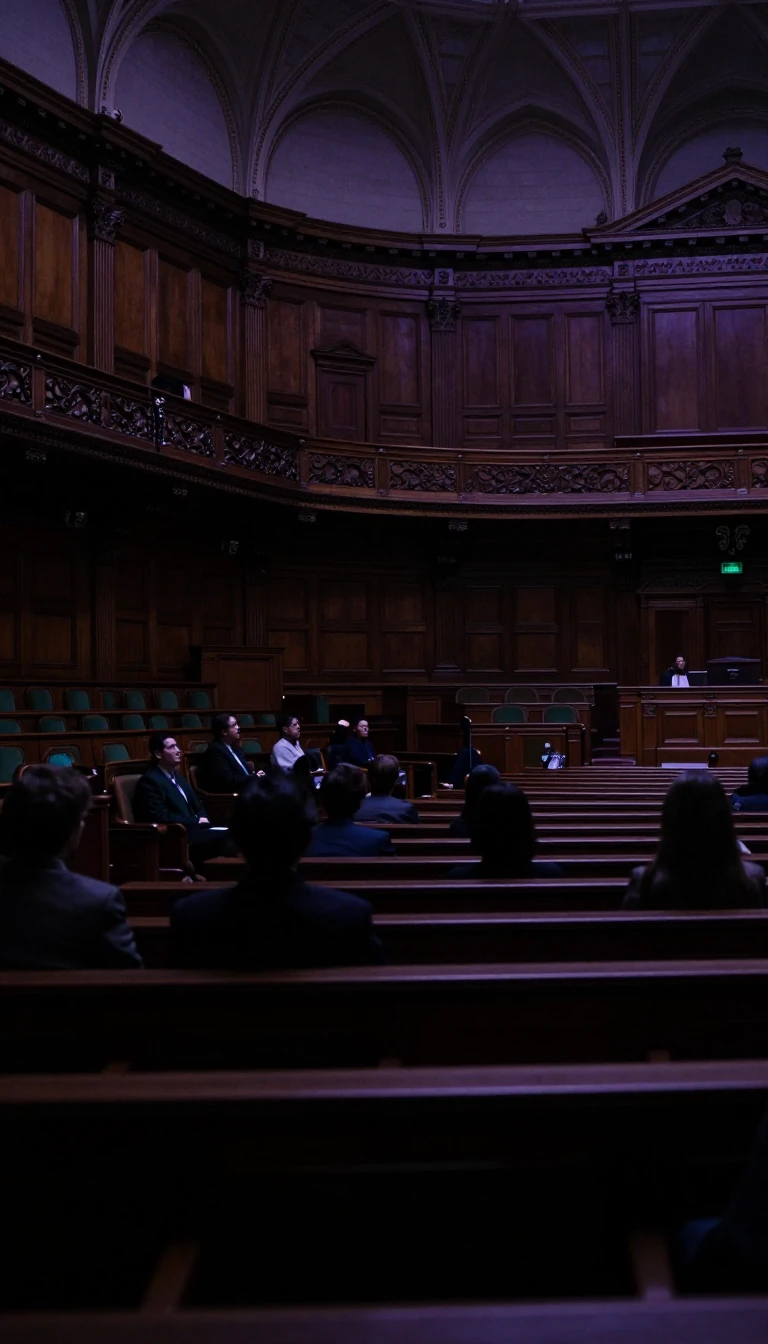
In short: For half a century, the Christian Democracy party acted as the central pillar of Italian governance. Known as the White Whale, this catch-all party navigated Cold War tensions and internal factionalism, only to disintegrate in 1994 amid the systemic corruption investigations that reshaped the nation's political landscape forever.
Founded in 1943, Christian Democracy (DC) emerged as a successor to the Italian People's Party, positioning itself as a centrist, Catholic-inspired force. It was fundamentally defined by its opposition to both Fascism and Communism, aiming to unite Italian Catholics across the political spectrum. Under the leadership of Alcide De Gasperi, who became Prime Minister in 1945, the party secured a decisive 48.5% of the vote in the 1948 general election. This era saw significant social reforms, including land redistribution and the establishment of a national health service, which helped cement the party's influence.
The party's internal structure was notoriously complex, characterized by intense factionalism where members often held dual allegiances to the party and to specific leaders. This created a unique, if unstable, dynamic where the party secretary and the Prime Minister often represented opposing internal factions. This arrangement, which contrasted sharply with the Westminster model, contributed to a de facto particracy, or partitocrazia, where the party’s internal power struggles frequently paralyzed government decision-making. Despite this, the DC remained the largest party in the Italian Parliament from 1946 until 1994, governing through various coalitions like the Pentapartito.
By the 1980s, the party's electoral geography had shifted significantly, moving from its traditional Northern strongholds to the South. This transition coincided with a rise in clientelistic practices and mounting public perception of corruption. The end came in the early 1990s with the Mani pulite investigation, which exposed the Tangentopoli scandals. As the party faced dismal electoral results and the rise of new movements like Lega Nord, it was officially disbanded in 1994. Its legacy, however, persisted as its members dispersed into various successor parties, eventually finding homes in both the modern centre-right and centre-left political coalitions of Italy.
Opens the Intellect+ feed with this card first. Swipe up for the next one.
Sources
- Summary by Intellect · source: Christian Democracy (Italy)
To cite this card, link to https://intellectplus.co.uk/app/ideas-christian-democracy-italy.
How we source, check and correct cards: Editorial standards.
General information, not professional advice. Spotted an error? Flag the card or see corrections and complaints.
Intellect Plus is a visual educational discovery platform for exploring fascinating facts and ideas. Brain Food, Not Brain Rot. What is Intellect Plus?
Related
More in Philosophers · More in Ideas & Philosophy · Latest · A–Z · All topics
