Chiswick: From a medieval cheese farm to a cradle of modern garden suburbs
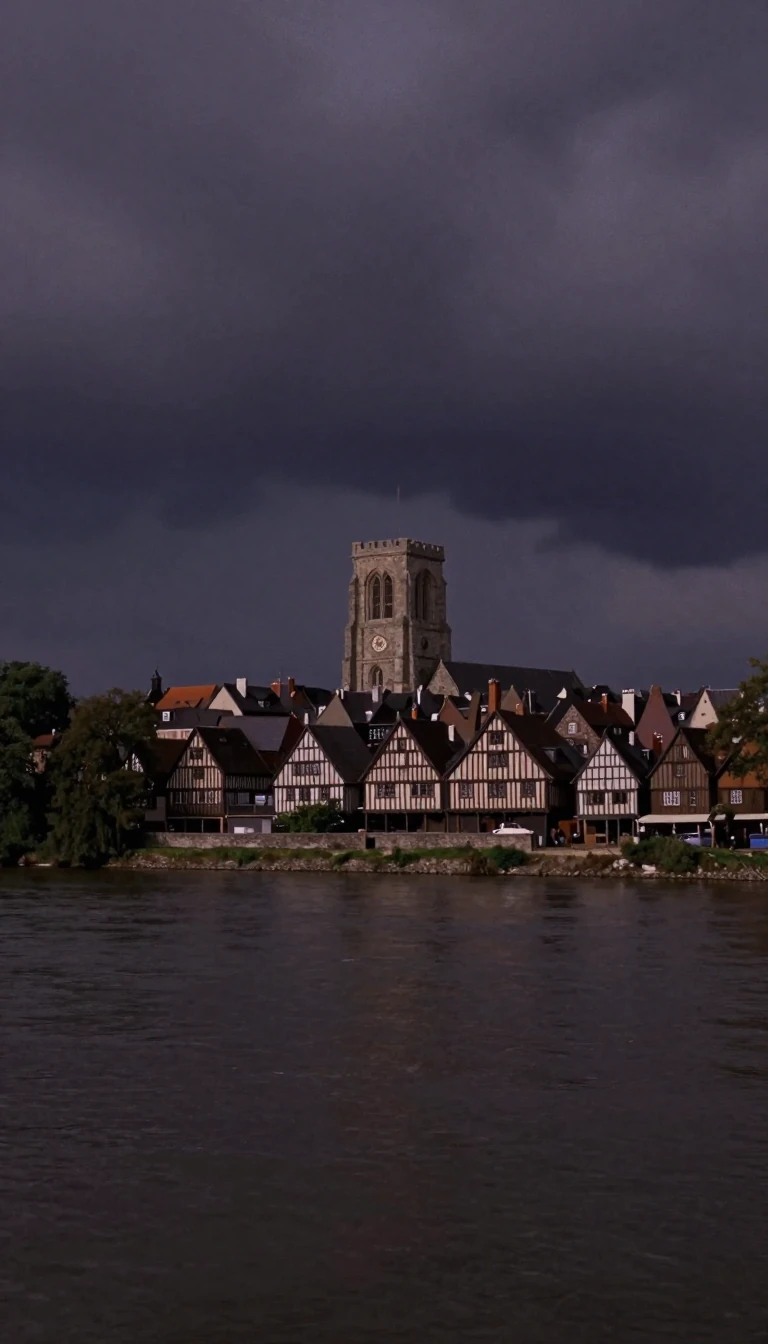
In short: Nestled in a meander of the River Thames, this West London district evolved from an ancient parish known for fishing and farming into an affluent, architecturally rich suburb. It has hosted revolutionary thinkers, pioneering garden city designs, and even the world's first safe house for victims of domestic violence.
First recorded around the year 1000 as 'Ceswican'—meaning 'Cheese Farm'—Chiswick’s identity was long defined by its riverside location. For centuries, its economy relied on agrarian labor and fishing, as the lack of bridges between London Bridge and Kingston made the local ferry a vital link. By the 18th century, the area had become a fashionable retreat for the wealthy, who constructed imposing mansions along Chiswick Mall. This transition from rural village to suburban enclave was punctuated by historical milestones, including a decisive 1642 skirmish during the English Civil War that halted royalist forces from retaking London.
The 19th and 20th centuries saw rapid transformation. The population surged nearly tenfold, reaching 29,809 by 1901, as the area integrated into London’s suburban sprawl. This era birthed Bedford Park, designed by Norman Shaw, which Nikolaus Pevsner identified as the first instance where the relaxed, informal mood of a village was adopted for a complete, speculatively built garden suburb. The district also became a hub for industry and innovation; it housed the Royal Horticultural Society’s first school of botany, the shipyard that built the first naval destroyer, and the Sanderson Factory—the only industrial building designed by the architect Charles Voysey.
Today, Chiswick remains a unique cultural tapestry. It is home to the 18th-century neo-Palladian Chiswick House, the historic Griffin Brewery, and a diverse range of religious architecture, from 15th-century church towers to a 1998 Russian Orthodox cathedral. Beyond its aesthetic appeal, the district has served as a site of social progress, notably founding the world’s first refuge for women and children escaping domestic violence in 1971. Despite the scars of the Second World War—including being the site where the first V-2 rocket struck London in 1944—Chiswick has maintained its character as a desirable, affluent, and historically significant corner of the capital.
Opens the Intellect+ feed with this card first. Swipe up for the next one.
Sources
- Summary by Intellect · source: Chiswick
To cite this card, link to https://intellectplus.co.uk/app/ideas-chiswick.
How we source, check and correct cards: Editorial standards.
General information, not professional advice. Spotted an error? Flag the card or see corrections and complaints.
Intellect Plus is a visual educational discovery platform for exploring fascinating facts and ideas. Brain Food, Not Brain Rot. What is Intellect Plus?
Related
More in Philosophers · More in Ideas & Philosophy · Latest · A–Z · All topics
