Are chthonic deities truly distinct from the Olympian gods of Ancient Greece?
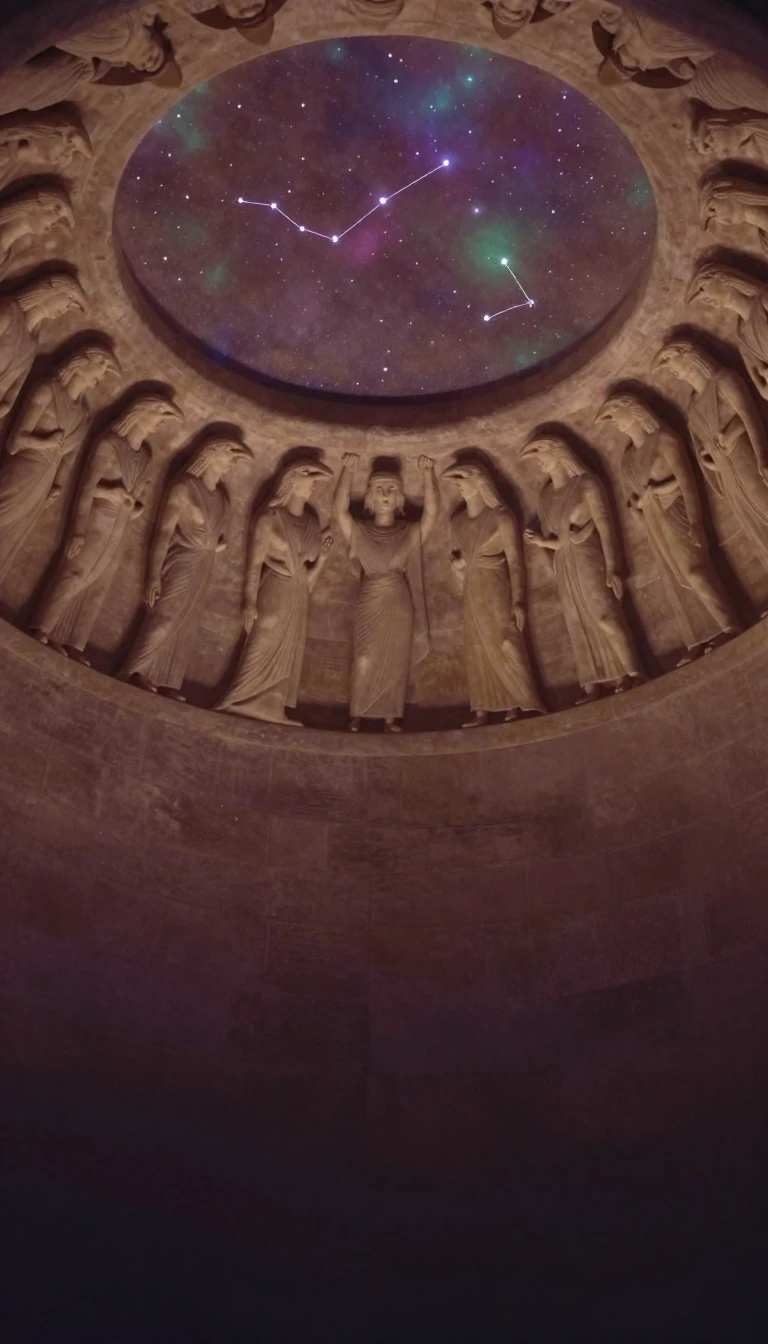
In short: In Greek mythology, chthonic deities are those linked to the earth, the underworld, and agriculture. While often contrasted with the sky-dwelling Olympians, these categories are not mutually exclusive. Instead, they represent a complex cultic spectrum where even major gods could be invoked as chthonic depending on the ritual context.
The term chthonic derives from the Ancient Greek word khthon, meaning soil or earth. While Olympian gods are associated with the sky and the surface, chthonic deities are tied to the underworld or the processes of growth beneath the soil. This distinction is situational rather than absolute. Virtually any deity could be described as chthonic to emphasize specific attributes, such as Hermes’ role as an underworld escort or Demeter’s connection to fertility and the grief of losing Persephone. Even Zeus was occasionally referred to with the epithet chthonios, demonstrating that these labels functioned as descriptors of a god's current function rather than a fixed, ontological classification.
Ritual practice highlights these nuanced differences. Ouranic sacrifices to Olympian gods occurred on high altars during the day, involving wine and shared meals where worshippers feasted alongside the divine. In contrast, chthonic rituals were performed on low altars or in pits, directing offerings downward toward the earth. These rites often involved a holocaust—the total destruction of an animal by fire—or burial of the sacrifice. Honey replaced wine as a libation, and incense was avoided because its smoke naturally rises, contradicting the downward orientation of the worship. These physical gestures, such as lowering palms toward the ground, were intended to bridge the gap between the living and the powers residing beneath.
Modern scholarship remains divided on the utility of the chthonic label. Some researchers, such as van Straten, argue that the term lacks archaeological verifiability and that modern interpretations impose a rigid, binary structure that did not exist in antiquity. Schlesier warns that such classifications risk creating artificial distinctions between 'normal' and 'deviant' worship. However, others like Scullion argue that the term remains valuable, provided it is understood as a tool to highlight specific religious aspects rather than a mutually exclusive category. The consensus among many experts is to reserve the label for contexts where it was explicitly applied in ancient sources, acknowledging that the Greeks themselves viewed these divine relationships as fluid and multifaceted.
Opens the Intellect+ feed with this card first. Swipe up for the next one.
Sources
- Summary by Intellect · source: Chthonic deities
To cite this card, link to https://intellectplus.co.uk/app/ideas-chthonic-deities.
How we source, check and correct cards: Editorial standards.
General information, not professional advice. Spotted an error? Flag the card or see corrections and complaints.
Intellect Plus is a visual educational discovery platform for exploring fascinating facts and ideas. Brain Food, Not Brain Rot. What is Intellect Plus?
Related
More in Greek mythology · More in Ideas & Philosophy · Latest · A–Z · All topics
