How Civilization VI turned city-building into a strategic puzzle of geography and terrain
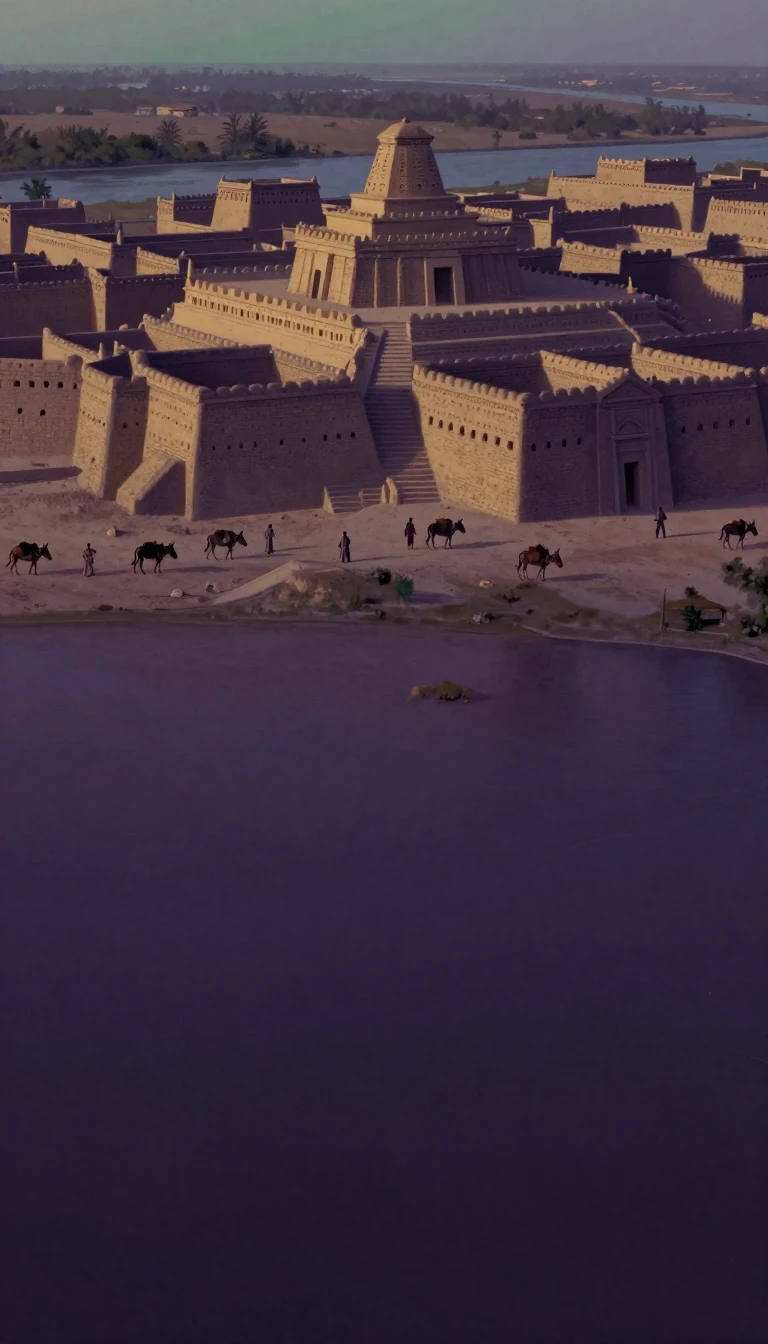
In short: In Civilization VI, your empire is no longer a stack of icons on a single tile. By unstacking cities into specialized districts, the game forces players to engage with the map itself. Success depends on terrain, from mountain-adjacent campuses to river-fed farms, transforming every playthrough into a unique strategic challenge.
Released in 2016 by Firaxis Games, Civilization VI introduced a radical shift in the series' core design: city unstacking. Unlike previous entries where all improvements were concentrated on a single hex, players must now place specialized districts—such as campuses for science or encampments for military—on specific tiles within their city's borders. This design choice, championed by lead designer Ed Beach, was intended to make the game map as vital as any other mechanic, forcing players to weigh geographical constraints against their long-term development goals.
The game's active research system further reinforces this focus on the environment. Technologies are no longer a rote path; instead, players receive 'Eureka Moments'—boosts to research progress—by completing tasks linked to their surroundings, such as building a quarry to accelerate masonry. This approach is supported by a redesigned map generation system that ensures diverse terrain distribution, preventing players from relying on repetitive, pre-set strategies. Firaxis even utilized internal AI-driven simulations to balance these systems, ensuring that the game's 'Mayhem level'—a feature that triggers erratic AI behavior—keeps players from falling into predictable routines.
Beyond geography, Civilization VI expanded the depth of government and diplomacy. The introduction of a dedicated Civics tree, separate from the technology tree, allows players to manage their empire through policy cards. These cards, which can be swapped as the situation demands, provide specific bonuses to military, economic, or diplomatic efforts. The game also deepened its religious and diplomatic systems, with expansions like Rise and Fall and Gathering Storm adding layers such as city loyalty, natural disasters, and climate change. By blending these complex management elements with a visual style inspired by the Age of Exploration, the game aims to maintain high strategic complexity while keeping the interface clear and readable.
Opens the Intellect+ feed with this card first. Swipe up for the next one.
Sources
- Summary by Intellect · source: Civilization VI
To cite this card, link to https://intellectplus.co.uk/app/ideas-civilization-vi.
How we source, check and correct cards: Editorial standards.
General information, not professional advice. Spotted an error? Flag the card or see corrections and complaints.
Intellect Plus is a visual educational discovery platform for exploring fascinating facts and ideas. Brain Food, Not Brain Rot. What is Intellect Plus?
Related
More in Religion and spirituality · More in Ideas & Philosophy · Latest · A–Z · All topics
