From Unmoved Mover to the Ground of Being: How Humanity Defines the Divine
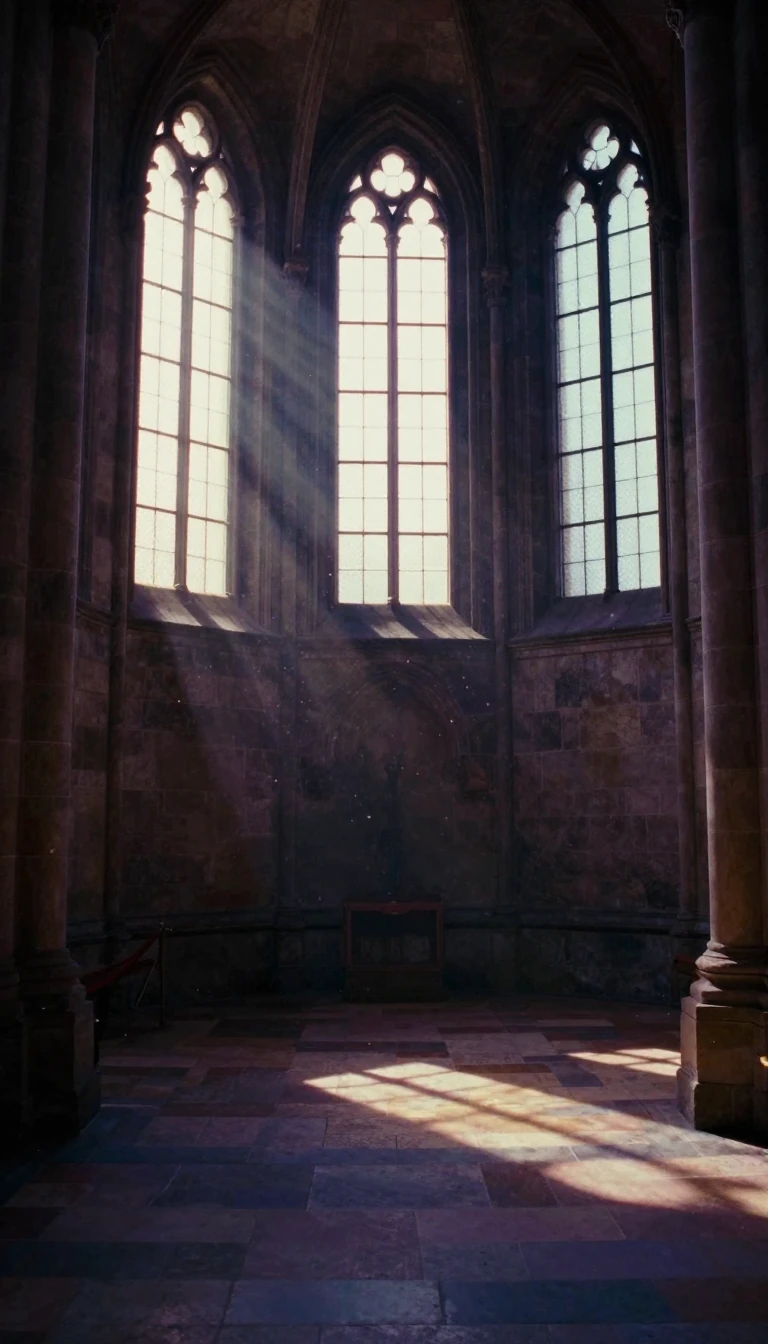
In short: Across history, the divine has been imagined as everything from a distant, unchanging philosophical principle to a deeply personal, listening presence. Whether viewed as a singular creator, a cosmic force, or an unknowable mystery, these diverse conceptions reveal as much about human thought as they do about the nature of reality.
The spectrum of divine conception ranges from the highly abstract to the intensely personal. In classical philosophy, Aristotle proposed the 'Unmoved Mover,' a perfect, unchanging being that initiates motion in the universe through contemplation of its own perfection, much like a domino player who sets a chain reaction in motion without further intervention. This stands in stark contrast to the Abrahamic tradition, where God is typically viewed as a personal, omnipotent, and omniscient creator who is intimately involved in the lives of his creatures, listening to prayers and reacting to human actions.
Other traditions offer different frameworks. In the Hermetic view, God is both the transcendent creator and the immanent cosmos itself, while in many Gnostic systems, the ultimate reality is identified as the Monad or the One. Hinduism presents a vast array of possibilities, from the personal Ishvara—the controller who fills all things—to the concept of Brahman, an infinite, eternal reality that serves as the ground of all matter, energy, and being. Brahman is often described as transpersonal, personal, and impersonal simultaneously, reflecting the complexity of defining the divine.
Even within single religions, interpretations vary wildly. Christianity, for instance, maintains the Trinitarian doctrine of one God in three persons—Father, Son, and Holy Spirit—yet groups like Unitarians, Arians, and Mormons have historically offered alternative models, ranging from strict unitarianism to the belief in physically separate personages. Meanwhile, Buddhism uniquely deconstructs the metaphysical absolute, focusing on the alleviation of suffering rather than the worship of a creator, often viewing divine beings as fellow travelers within the cycle of samsara rather than ultimate authorities.
Ultimately, the one criterion shared by these diverse entities is their acknowledgment as divine by human groups. Whether through the strict monotheism of Islam’s tawḥīd, the Kabbalistic belief that all existence is within God, or the Baháʼí view of an unknowable, imperishable source, these conceptions serve as foundational pillars for belief systems, shaping how humanity understands its purpose, morality, and place within the vast, often incomprehensible structure of existence.
Opens the Intellect+ feed with this card first. Swipe up for the next one.
Sources
- Summary by Intellect · source: Conceptions of God
To cite this card, link to https://intellectplus.co.uk/app/ideas-conceptions-of-god.
How we source, check and correct cards: Editorial standards.
General information, not professional advice. Spotted an error? Flag the card or see corrections and complaints.
Intellect Plus is a visual educational discovery platform for exploring fascinating facts and ideas. Brain Food, Not Brain Rot. What is Intellect Plus?
Related
More in Religion and spirituality · More in Ideas & Philosophy · Latest · A–Z · All topics
