Why passive listening fails: how we construct our own reality through active learning
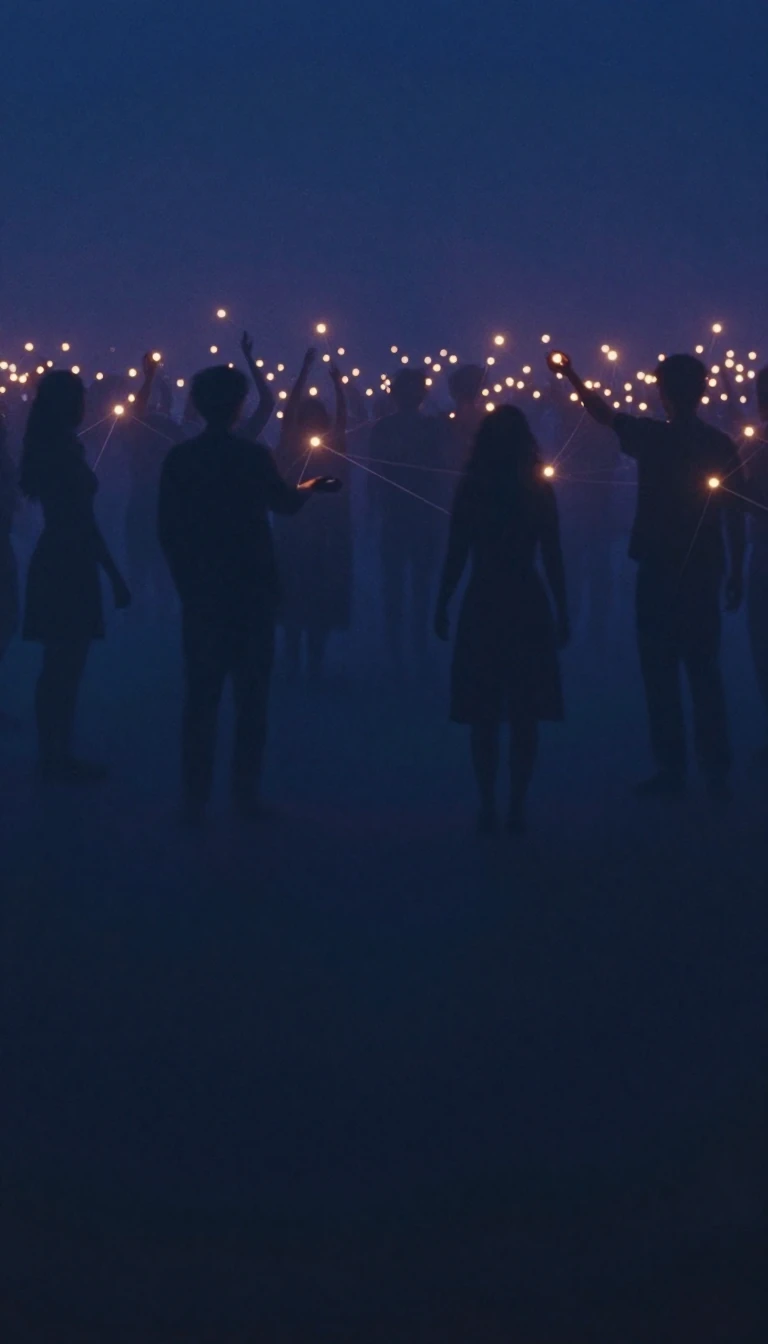
In short: Traditional education treats students as empty vessels waiting to be filled. Constructivism flips this, arguing that we learn by actively building mental structures through experience and social interaction. Instead of absorbing facts, we internalize the world by testing our own ideas against reality and the perspectives of others.
Constructivism is not a rigid teaching method but a framework explaining how humans acquire knowledge. Rooted in the work of Jean Piaget, the theory posits that learners do not simply mirror external information. Instead, they integrate new experiences into existing mental frameworks, or 'schemes,' through processes Piaget called assimilation and accommodation. While assimilation involves fitting new data into current views, accommodation requires adjusting those internal structures when faced with new, challenging experiences. This makes learning a dynamic, active process rather than a passive reception of facts.
Lev Vygotsky expanded this into social constructivism, emphasizing that our understanding is deeply shaped by culture, language, and social interaction. Vygotsky introduced the 'zone of proximal development,' the critical gap between what a learner can do alone and what they can achieve with guidance from peers or mentors. This suggests that instruction is most effective when it sits slightly ahead of a student's current ability, pulling them toward higher levels of competence through collaboration. Unlike traditional didactic lectures, this approach positions the instructor as a facilitator who encourages dialogue and supports the student's independent discovery.
This philosophy fundamentally changes the classroom dynamic. Because knowledge is seen as socially constructed, the environment must prioritize authentic, situated learning where students engage with complex, real-world problems. Assessment also shifts from static testing to 'dynamic assessment,' a continuous dialogue between teacher and learner that evaluates growth rather than just output. By moving away from compartmentalized subjects, constructivism aims to mirror the complexity of the world, fostering learners who are not just repositories of information, but active architects of their own understanding.
Opens the Intellect+ feed with this card first. Swipe up for the next one.
Sources
- Summary by Intellect · source: Constructivism (philosophy of education)
To cite this card, link to https://intellectplus.co.uk/app/ideas-constructivism-philosophy-of-education.
How we source, check and correct cards: Editorial standards.
General information, not professional advice. Spotted an error? Flag the card or see corrections and complaints.
Intellect Plus is a visual educational discovery platform for exploring fascinating facts and ideas. Brain Food, Not Brain Rot. What is Intellect Plus?
Related
More in Philosophers · More in Ideas & Philosophy · Latest · A–Z · All topics
