Can a single signature bridge the Great Schism between East and West?
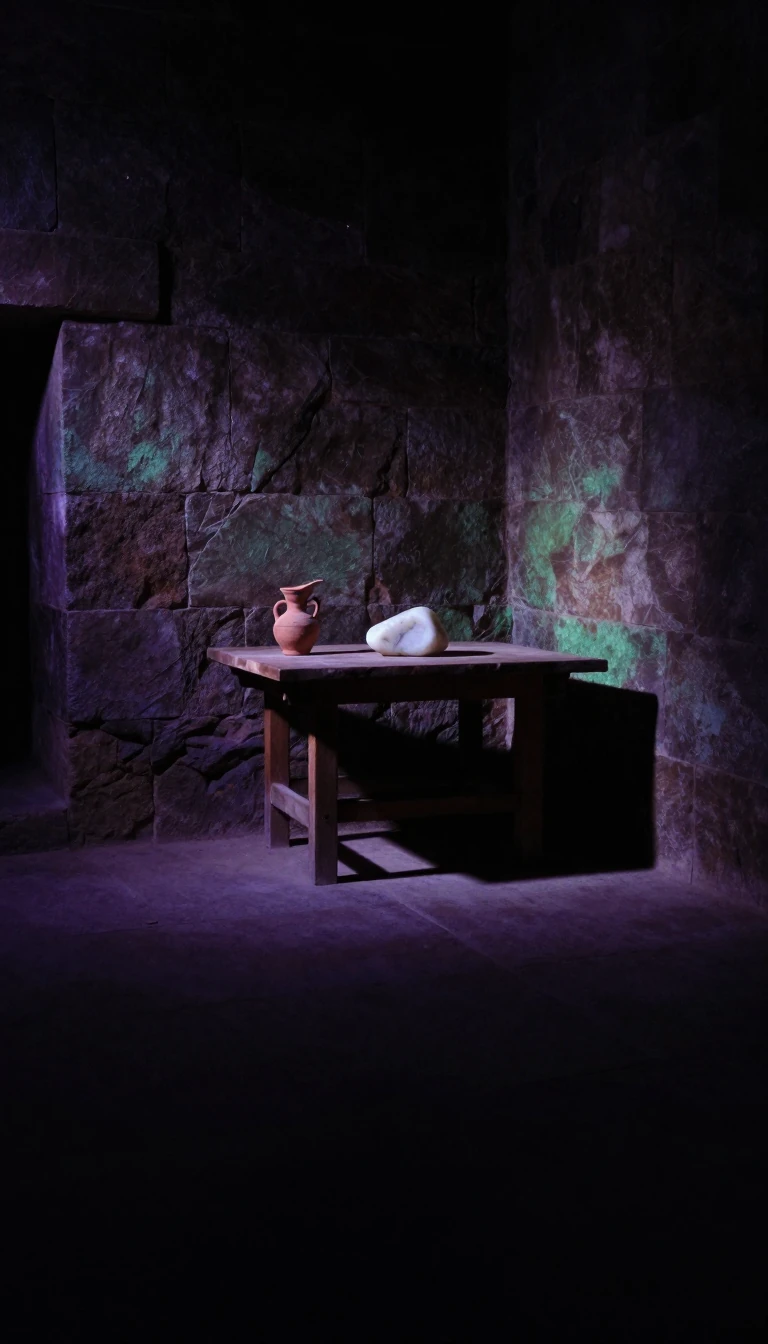
In short: In 1438, the Roman Catholic Church attempted to heal the centuries-old divide with the Eastern Orthodox Church. Through a massive, years-long council, leaders debated the deepest mysteries of faith. While they eventually signed a formal decree of reunion, the ink was barely dry before the world tore it apart.
The Council of Ferrara-Florence, which spanned from 1438 to 1445, was an ambitious ecumenical effort to reconcile the Latin and Greek churches. Originally convened as the Council of Basel by Pope Martin V in 1431, the assembly was eventually transferred by Pope Eugenius IV to Ferrara in January 1438. The gathering was a massive logistical undertaking, with a Greek delegation of approximately 700 people, including Patriarch Joseph II of Constantinople and Emperor John VIII Palaeologus, traveling to Italy to negotiate.
The theological stakes were immense. The primary points of contention included the doctrine of purgatory and the Filioque clause in the Nicene Creed, which concerns whether the Holy Spirit proceeds from the Father alone or from both the Father and the Son. After moving to Florence in January 1439 to escape a plague in Ferrara, the delegates engaged in intense discussions. By July 6, 1439, they produced the decree Laetentur Caeli, in which the Greeks accepted the Latin positions on the Filioque, papal primacy, and the Eucharist.
Despite this formal agreement, the reunion was largely a failure in practice. Upon returning to Constantinople, many Greeks repudiated the council’s decisions, viewing the concessions as a betrayal. Opposition was widespread among both clergy and laity, and several Eastern churches, including those in Georgia and Alexandria, never signed the decree. While the council remains a significant historical example of papal diplomacy and sacramental theology, the Great Schism persisted, leaving the union as a short-lived political achievement rather than a lasting ecclesiastical reality.
Opens the Intellect+ feed with this card first. Swipe up for the next one.
Sources
- Summary by Intellect · source: Council of Ferrara-Florence | Council of Ferrara-Florence | Papal Union, Ecumenism & Reformation | Britannica
- Also: Council of Florence
To cite this card, link to https://intellectplus.co.uk/app/ideas-council-of-florence.
How we source, check and correct cards: Editorial standards.
General information, not professional advice. Spotted an error? Flag the card or see corrections and complaints.
Intellect Plus is a visual educational discovery platform for exploring fascinating facts and ideas. Brain Food, Not Brain Rot. What is Intellect Plus?
Related
More in Philosophers · More in Ideas & Philosophy · Latest · A–Z · All topics
