Why your brain is hardwired to adore big eyes and round faces
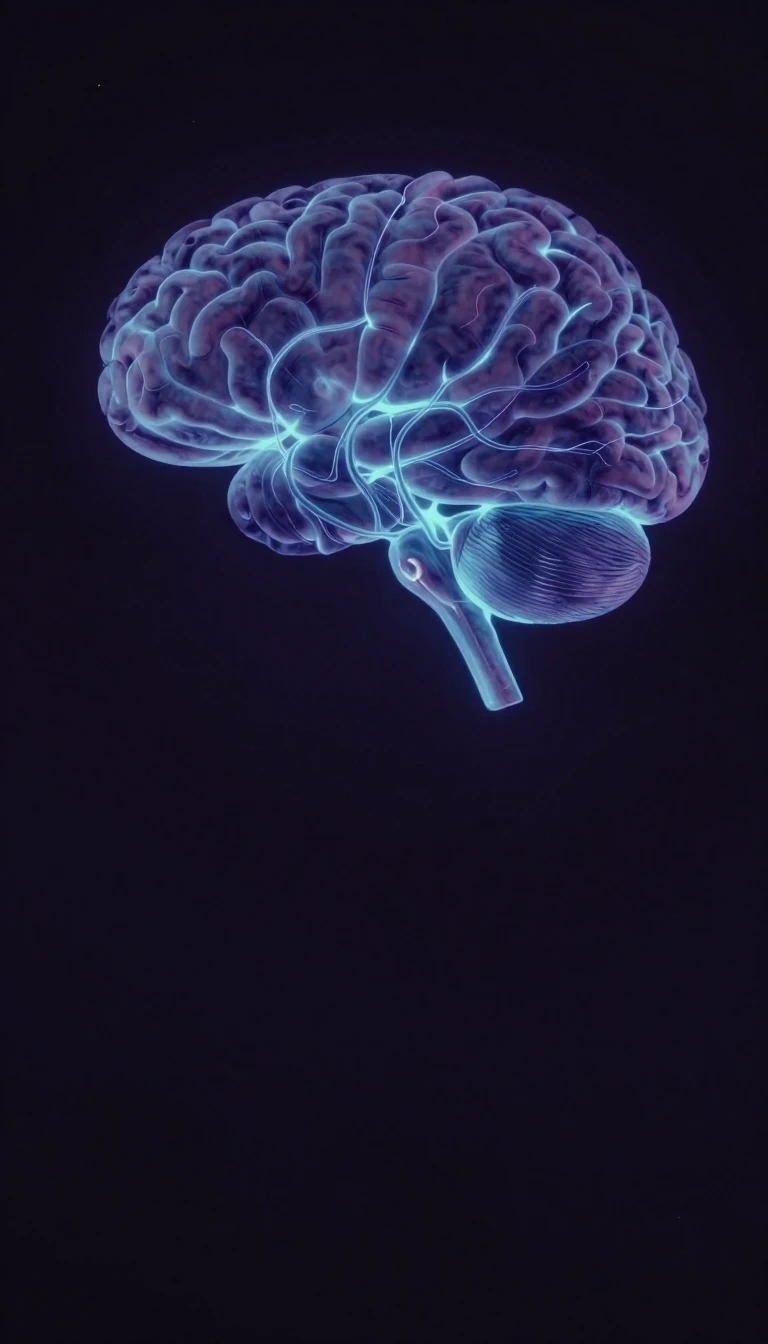
In short: Cuteness is not just a feeling; it is a biological trigger. Known as baby schema, this set of physical traits—like large eyes and high foreheads—activates the brain's reward centers, compelling us to nurture. From Mickey Mouse to our pets, we are evolutionarily programmed to protect the vulnerable.
The concept of baby schema, or Kindchenschema, was introduced by Austrian ethologist Konrad Lorenz in 1949. Lorenz argued that infantile features act as a biological release mechanism, triggering caretaking responses in adults to ensure the survival of the species. Research using fMRI scans has confirmed this, showing that cute images stimulate the nucleus accumbens, a brain region central to motivation and reward. This response is so potent that exposure to high-cuteness stimuli has been shown to increase performance in tasks requiring extreme carefulness, such as the game Operation.
Physical traits associated with cuteness, such as proportionately larger eyes and smaller snouts, are rooted in the biology of youth. Anthropologist Doug Jones notes that these features change as we age, with the neurocranium growing significantly in juveniles while facial bones involved in chewing reach maturity later. This allometry of growth allows humans to maintain a superficially infantile appearance for longer than other mammals, a phenomenon linked to neoteny. Even mathematical models, such as the cardioidal transformation, show that morphing faces to appear less mature—by expanding the top of the face and contracting the bottom—consistently increases perceived cuteness.
Our obsession with these traits has profound real-world consequences. Cartoonists have long capitalized on this, with characters like Mickey Mouse evolving over decades to resemble human infants more closely to increase their popularity. Similarly, humans have unintentionally selected for these traits in domestic animals, sometimes to the detriment of the animal's health, as seen in the breeding of brachycephalic dogs. While cuteness can foster caregiving and social bonding, researchers like Mark J. Estren warn that our bias toward cute animals can skew scientific attention and public concern, potentially neglecting species that do not fit our infantile aesthetic criteria.
Opens the Intellect+ feed with this card first. Swipe up for the next one.
Sources
- Summary by Intellect · source: Cuteness
To cite this card, link to https://intellectplus.co.uk/app/ideas-cuteness.
How we source, check and correct cards: Editorial standards.
General information, not professional advice. Spotted an error? Flag the card or see corrections and complaints.
Intellect Plus is a visual educational discovery platform for exploring fascinating facts and ideas. Brain Food, Not Brain Rot. What is Intellect Plus?
Related
More in Philosophers, historians, political and social scientists · More in Ideas & Philosophy · Latest · A–Z · All topics
