Why the ancient concept of duḥkha means far more than just human suffering
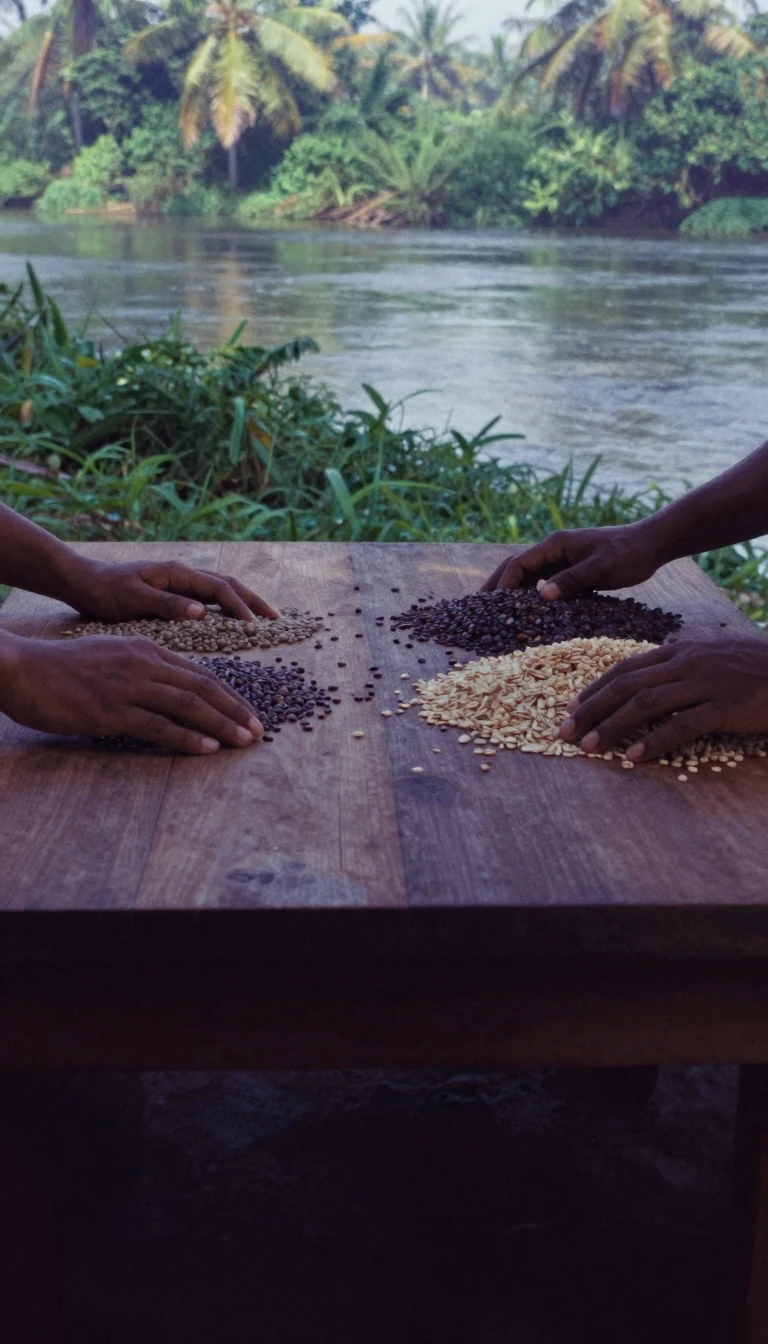
In short: Often translated as suffering, the Sanskrit term duḥkha captures a deeper, pervasive sense of unease or incompleteness. Whether viewed as a poorly fitting axle on a cart or an unstable state of being, it describes the fundamental friction we experience when clinging to a world that is inherently transient and changing.
The term duḥkha, found across Buddhism, Jainism, and Hinduism, defies a simple English translation. While early Western translators often rendered it as suffering, contemporary scholars argue this is too narrow. It encompasses a spectrum of human experience, from physical pain and grief to a persistent, subtle dissatisfaction with life. In Buddhist thought, it is one of the three marks of existence, alongside impermanence and the lack of a lasting essence. It highlights the inherent frustration of expecting lasting happiness from conditioned, transient phenomena.
Etymologically, the word is contested. A popular, traditional explanation links it to the prefix du- (bad) and kha (empty), often interpreted as a badly fitting axle hole in a chariot, creating a bumpy, uncomfortable ride. However, philologists like Monier Monier-Williams and Bhikkhu Anālayo suggest a more likely derivation from duḥ-sthā, meaning standing badly or being unsteady. This interpretation emphasizes a state of disquiet or instability rather than just a painful event. Christopher I. Beckwith notes that the traditional suffering-centric view is unlikely for Early Buddhism, favoring this sense of being fundamentally ill-at-ease.
Buddhism categorizes this experience into three types: physical and mental suffering (dukkha-dukkha), the frustration caused by the loss of happiness (viparinama-dukkha), and the pervasive unsatisfactoriness of all conditioned existence (sankhara-dukkha). This final category suggests that because all life is changing and lacks a permanent core, it is incapable of providing lasting satisfaction. In Hindu and Jain traditions, the concept similarly appears in the context of spiritual liberation, where overcoming this state of distress is tied to self-knowledge, right conduct, or the cessation of karmic influx. Ultimately, duḥkha serves as a diagnostic tool for the human condition, pointing toward the friction between our desires and the reality of an impermanent world.
Opens the Intellect+ feed with this card first. Swipe up for the next one.
Sources
- Summary by Intellect · source: Duḥkha
To cite this card, link to https://intellectplus.co.uk/app/ideas-du-kha.
How we source, check and correct cards: Editorial standards.
General information, not professional advice. Spotted an error? Flag the card or see corrections and complaints.
Intellect Plus is a visual educational discovery platform for exploring fascinating facts and ideas. Brain Food, Not Brain Rot. What is Intellect Plus?
Related
More in Eastern religions · More in Ideas & Philosophy · Latest · A–Z · All topics
