Why You Unconsciously Adopt the Moods and Behaviors of People Around You
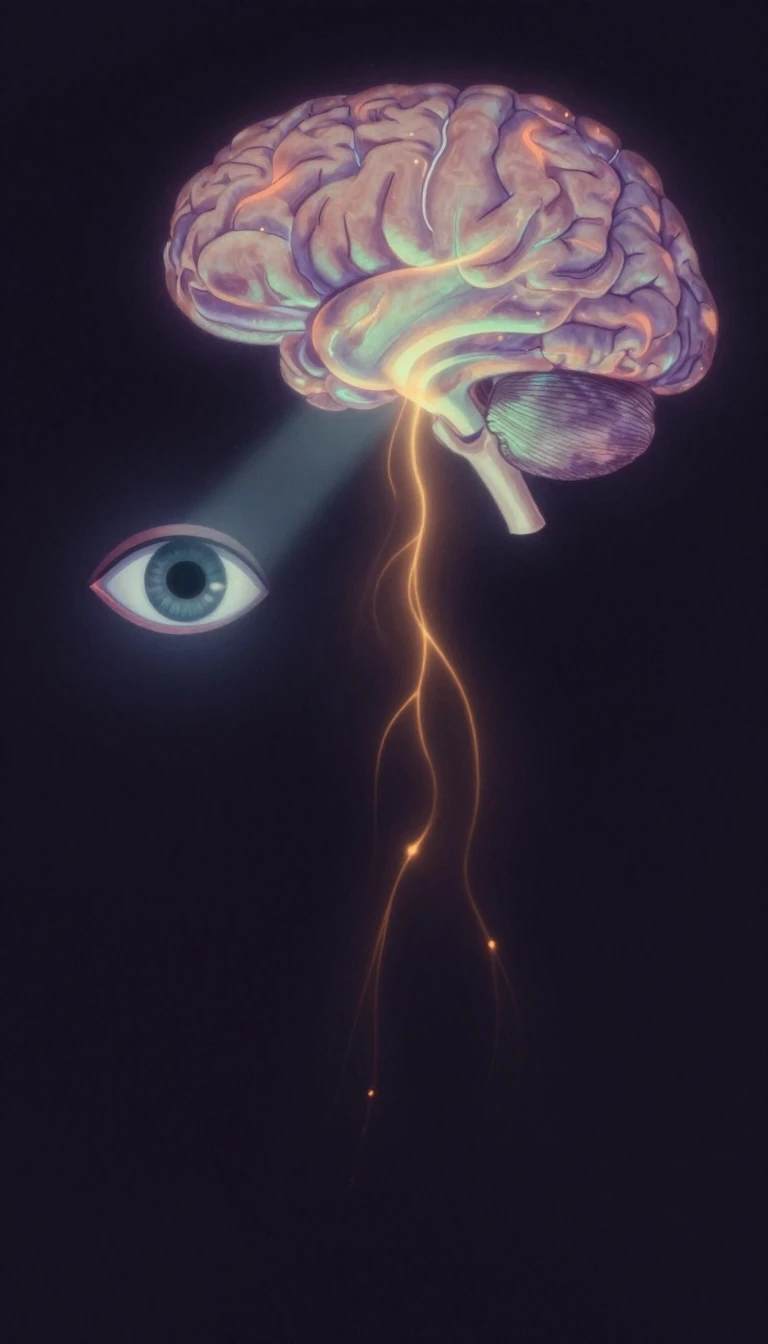
In short: Ever felt anxious just by sitting near a stressed coworker, or found yourself smiling because a stranger did? This is emotional contagion, an unconscious process where we mirror the feelings and gestures of others. It is a fundamental part of human interaction that begins in infancy and shapes our daily lives.
Emotional contagion is the automatic, often subconscious, process of mimicking the expressions, vocal tones, and postures of those around us. This phenomenon starts early in life; babies learn to interact by modeling the behaviors of their caregivers, such as responding to a smile with a smile. This mimicry is not limited to positive interactions. If you are confronted by someone yelling, you may find yourself becoming agitated or aggressive in return, even if that is not your intended reaction.
The mechanism relies on our tendency to synchronize with others. When we mirror someone's nonverbal cues, our own internal emotional state often shifts to match them. This is why surrounding yourself with optimistic people can make you feel more positive, while constant exposure to pessimism can lead you to adopt negative thought patterns. This process is not limited to face-to-face contact; external influences like online content and news consumption can also trigger these shifts, potentially impacting your mental health.
While empathy and emotional contagion share similarities, they are distinct processes. Empathy requires the ability to differentiate between your own experiences and those of others, whereas emotional contagion involves a more direct, often unthinking absorption of another person's state. Because this process happens on autopilot, it can sometimes disrupt your ability to function or maintain healthy boundaries. However, you are not powerless. By practicing mindfulness, setting clear social boundaries, and consciously choosing how you respond to stressful situations, you can mitigate the negative impact of these contagious emotions.
Opens the Intellect+ feed with this card first. Swipe up for the next one.
Sources
- Summary by Intellect · source: What Is Emotional Contagion? And How To Avoid It
- Also: Emotional contagion
To cite this card, link to https://intellectplus.co.uk/app/ideas-emotional-contagion.
How we source, check and correct cards: Editorial standards.
General information, not professional advice. Spotted an error? Flag the card or see corrections and complaints.
Intellect Plus is a visual educational discovery platform for exploring fascinating facts and ideas. Brain Food, Not Brain Rot. What is Intellect Plus?
Related
More in Psychology · More in Ideas & Philosophy · Latest · A–Z · All topics
