You are currently undergoing your most significant period of personal growth
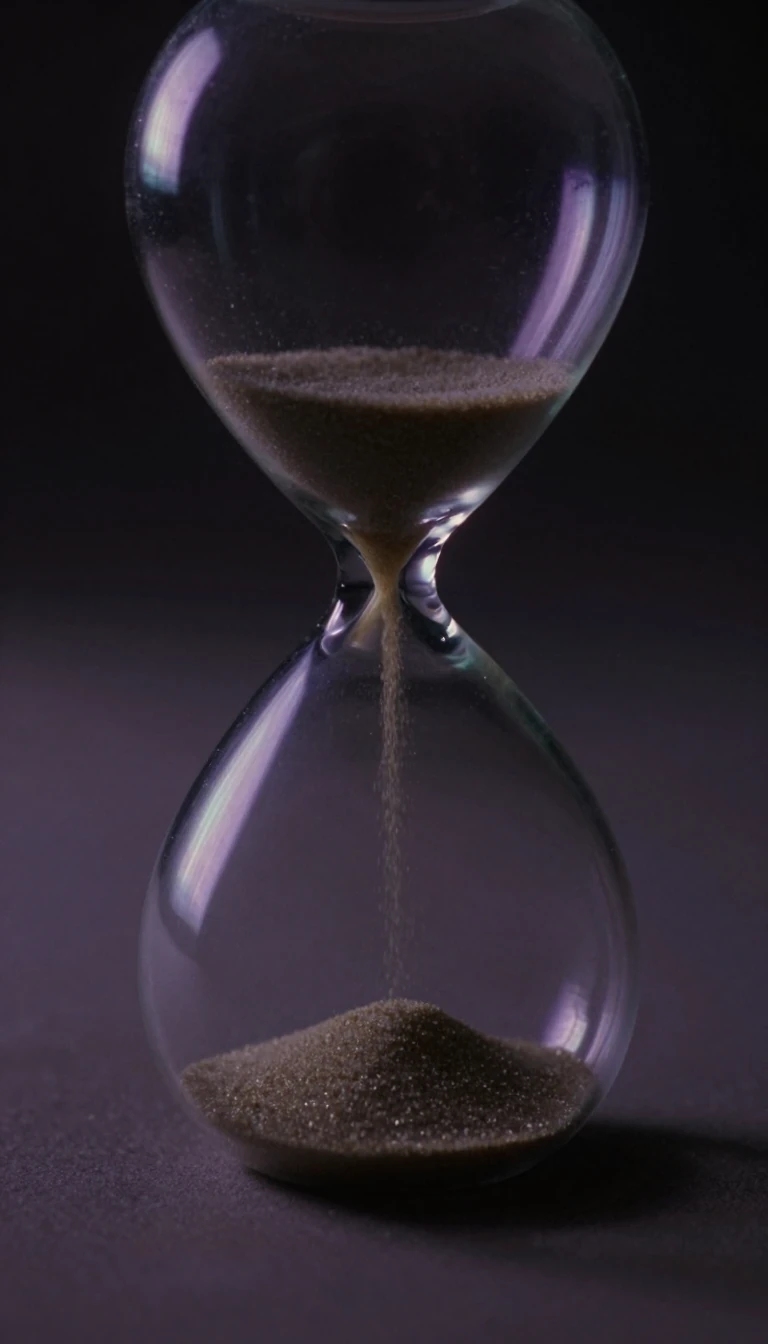
In short: We tend to look back at our past and see a whirlwind of transformation, yet we view our future as a static plateau. This psychological blind spot, known as the end-of-history illusion, suggests that while we recognize how much we have changed, we fail to realize that the most profound changes are still ahead of us.
First identified in a 2013 study by Jordi Quoidbach, Daniel Gilbert, and Timothy Wilson, the end-of-history illusion describes the tendency of individuals across all ages—from teenagers to seniors—to believe they have reached a state of permanent maturity. While people can accurately recount the drastic shifts in their tastes and values over the last decade, they consistently underestimate the magnitude of change that will occur in the next ten years. This discrepancy is not necessarily a failure of memory; rather, it is a failure of prediction.
The researchers tested this across three domains: personality, core values, and simple preferences like favorite foods or music. In each case, the results were strikingly similar. For example, a 30-year-old might recall massive shifts between ages 20 and 30, yet predict very little change for the decade to follow. Even in areas where memory is highly reliable, such as specific preferences, the illusion persists. Gilbert and his colleagues suggest this might happen because reconstructing the past is cognitively easier than constructing a hypothetical future, or because humans may harbor a subconscious resistance to the idea of radical personal change.
However, the phenomenon is not without its skeptics. Some critics argue that the illusion is actually a mathematical byproduct: if we know we will change but cannot predict the direction of that change, the most statistically sound prediction is that things will remain the same. Others point out that the original research relied on cross-sectional data rather than longitudinal studies, which might offer a clearer view of these shifts over time. Regardless of the cause, the illusion matters because it can jeopardize optimal decision-making by leading us to believe we are finished evolving when we are just getting started.
Opens the Intellect+ feed with this card first. Swipe up for the next one.
Sources
- Summary by Intellect · source: End-of-history illusion
To cite this card, link to https://intellectplus.co.uk/app/ideas-end-of-history-illusion.
How we source, check and correct cards: Editorial standards.
General information, not professional advice. Spotted an error? Flag the card or see corrections and complaints.
Intellect Plus is a visual educational discovery platform for exploring fascinating facts and ideas. Brain Food, Not Brain Rot. What is Intellect Plus?
Related
More in Cognitive biases · More in Ideas & Philosophy · Latest · A–Z · All topics
