You are likely a narrator of your own mental fiction
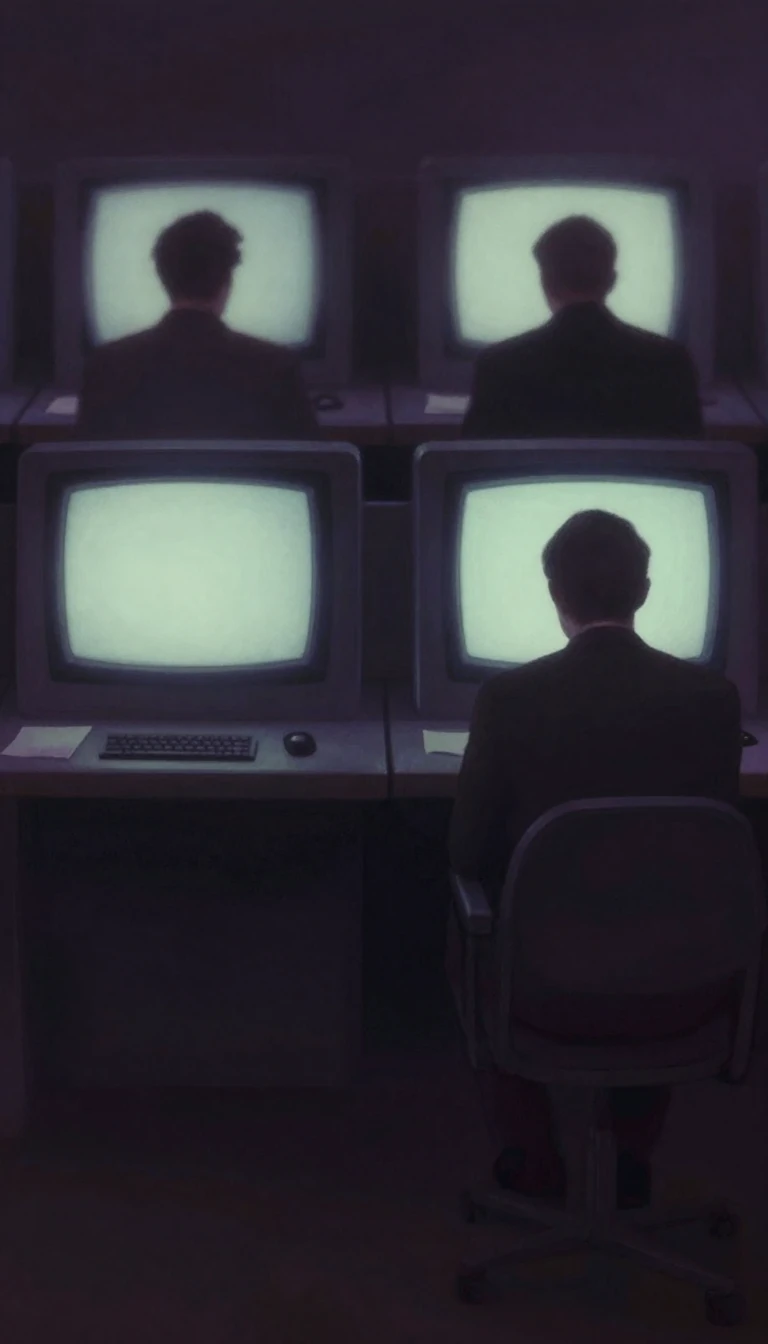
In short: When you explain why you made a choice, you believe you are reporting a fact. In reality, your brain may be constructing a plausible story on the fly. This cognitive bias suggests that while we have access to our feelings, the actual processes behind our thoughts remain hidden.
The introspection illusion refers to a tendency where people assume they possess immediate knowledge of their own mental origins, yet they view the internal reflections of others as untrustworthy. According to psychologist Emily Pronin, this involves four key components: we give heavy weight to our own introspective evidence, we discount the weight of others', we disregard our own behavior when assessing ourselves, and we treat our own internal reports as uniquely reliable. This creates a persistent illusion of superiority, where people often believe they are less biased or conformist than those around them.
A landmark 1977 paper by Richard Nisbett and Timothy D. Wilson challenged the reliability of introspection, suggesting that reports on mental processes are often 'confabulated.' They argued that while we can access mental contents—like feelings—the underlying processes remain hidden. When asked to explain a preference, people often provide 'causal theories' that serve to justify behavior and relieve cognitive dissonance rather than revealing the true underlying reasons. For example, a person might claim a prejudice is based on a logical conclusion to mask an embarrassing personal insecurity.
Research into 'choice blindness' highlights this phenomenon vividly. In a study by Petter Johansson and colleagues, subjects were shown two photos and asked to pick one. Using sleight of hand, researchers occasionally swapped the chosen photo for the other. A majority of subjects failed to notice the switch and instead provided verbal justifications for the photo they were currently looking at—even though they hadn't actually chosen it. While 84% of subjects claimed they would have noticed such a switch, the high rate of failure suggests that our brains prioritize creating a coherent narrative over reporting accurate internal data.
The mechanism behind these inaccuracies includes several factors: availability (recalling salient stimuli), plausibility (choosing likely-sounding causes), and the confusion between mental content and process. Because introspection is difficult to disconfirm in daily life, and because acknowledging a lack of insight can be a threat to the ego, we maintain the comforting fiction that we are the masters of our own inner workings.
Opens the Intellect+ feed with this card first. Swipe up for the next one.
Sources
- Summary by Intellect · source: Introspection illusion
To cite this card, link to https://intellectplus.co.uk/app/ideas-introspection-illusion.
How we source, check and correct cards: Editorial standards.
General information, not professional advice. Spotted an error? Flag the card or see corrections and complaints.
Intellect Plus is a visual educational discovery platform for exploring fascinating facts and ideas. Brain Food, Not Brain Rot. What is Intellect Plus?
Related
More in Cognitive biases · More in Ideas & Philosophy · Latest · A–Z · All topics
