Does nature have rights, or are we just projecting human values onto the wild?
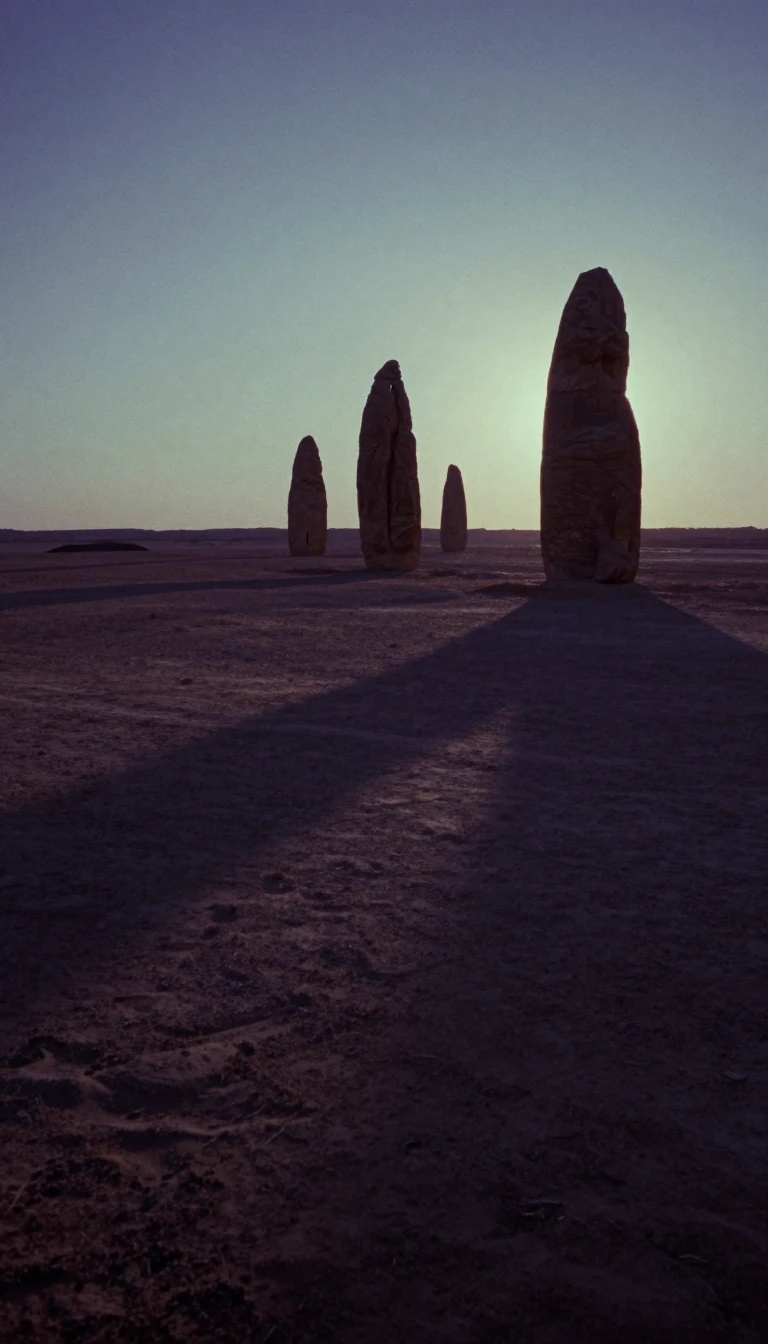
In short: Environmental philosophy probes the moral bond between humans and the non-human world. It forces us to ask whether nature exists for our benefit, or if ecosystems possess intrinsic worth independent of us. From granting legal personhood to rivers to questioning the very concept of wilderness, the field challenges our survival.
At the heart of environmental philosophy lies a tension between anthropocentrism, which views nature as a resource for human utility, and biocentric or ecocentric perspectives. The latter argue that individual organisms or entire ecosystems hold intrinsic value, regardless of their usefulness to people. This shift in perspective has moved beyond abstract theory, influencing legal experiments that grant personhood to natural entities like forests and rivers, effectively treating them as subjects with rights rather than mere objects of exploitation.
The field emerged in the 1970s, driven by thinkers like Arne Næss and J. Baird Callicott who sought to address humanity’s sense of alienation from the natural world. By the 1980s, the discourse had expanded to include social ecology, notably championed by Murray Bookchin in 1982. Bookchin argued that environmental degradation is fundamentally a social crisis, suggesting that the same societal structures that seek to dominate nature—such as monocropping or overfishing—also foster human hierarchies like racism and patriarchy. He proposed that true ecological health requires decentralization and direct democracy.
Recent scholarship has further diversified these inquiries, incorporating decolonial and feminist critiques alongside Indigenous relational ontologies. Contemporary debates now interrogate the ethics of technological interventions, including geoengineering and synthetic biology. Some scholars have even proposed a post-naturalistic turn, questioning whether the concept of 'nature' itself is a cultural construct. As these ideas evolve, they bridge the gap between philosophical inquiry and global policy, forcing us to reconsider our role as stewards of a planet that may not be as separate from human society as we once believed.
Opens the Intellect+ feed with this card first. Swipe up for the next one.
Sources
- Summary by Intellect · source: Environmental Philosophy | Philosophy | Social sciences | Topics | Nature Index
- Also: Environmental philosophy
To cite this card, link to https://intellectplus.co.uk/app/ideas-environmental-philosophy.
How we source, check and correct cards: Editorial standards.
General information, not professional advice. Spotted an error? Flag the card or see corrections and complaints.
Intellect Plus is a visual educational discovery platform for exploring fascinating facts and ideas. Brain Food, Not Brain Rot. What is Intellect Plus?
Related
More in Philosophy · More in Ideas & Philosophy · Latest · A–Z · All topics
