The ancient art of the epistle: more than just a formal letter
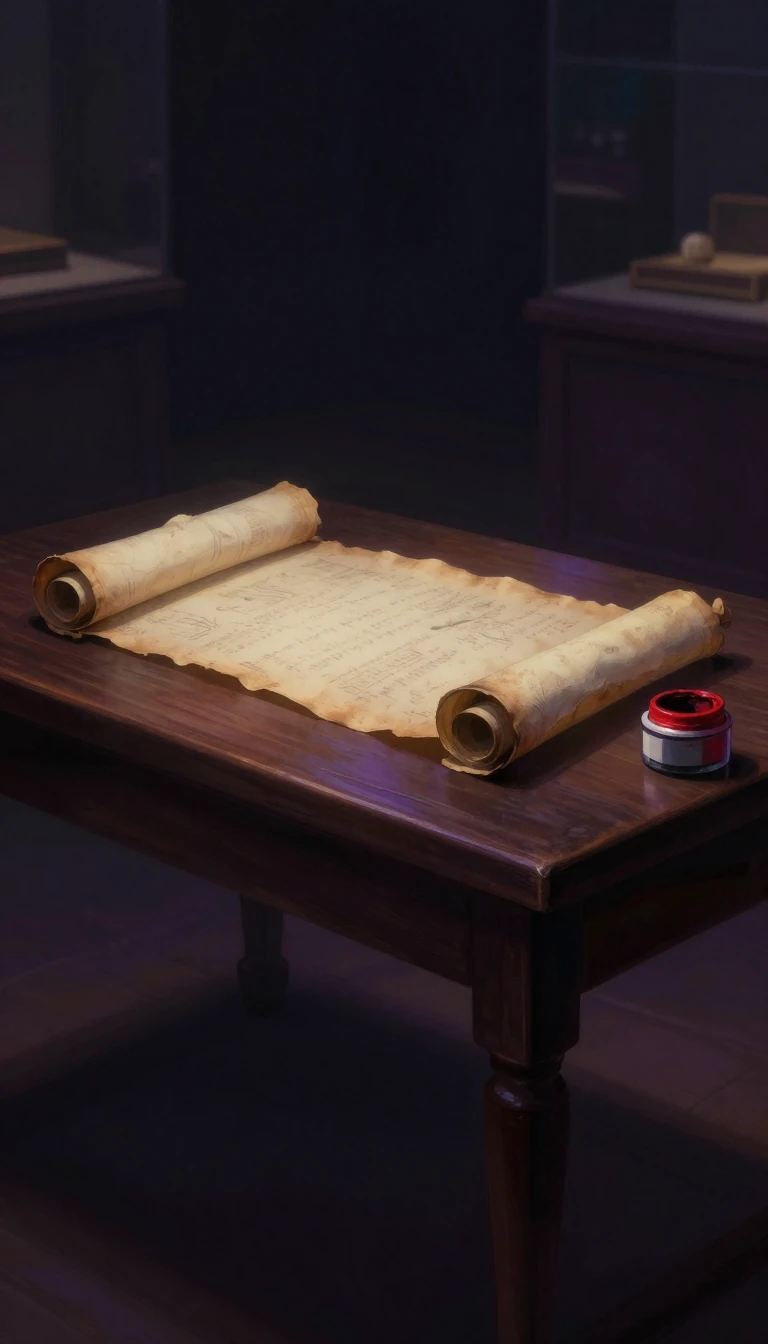
In short: Long before digital correspondence, the epistle served as a sophisticated literary genre. From Egyptian scribal schools to the foundational texts of early Christianity, these formal, didactic letters were crafted with rigid conventions. They were not merely personal notes, but carefully structured instruments of communication, instruction, and enduring historical record.
The term epistle, derived from the Greek epistolē, describes a formal and elegant letter directed to an individual or group. Its origins are deeply rooted in antiquity; Egyptian scribal schools utilized the genre for pedagogical purposes as early as the Fifth Dynasty. By the Middle Kingdom, standardized epistolary formulae were well-established, and by the Nineteenth Dynasty, satirical letters were common exercises for schoolchildren, as evidenced by over eighty ceramic ostraca discovered by archaeologists.
In the Greco-Roman world, the epistle evolved into a significant literary form. Cicero’s letters provide a vital window into the late Roman Republic, while Pliny the Younger’s correspondence is studied for its self-conscious literary quality. Ovid even utilized the format for verse, composing letters from the perspective of legendary women or reflecting on his own exile. These secular traditions heavily influenced the Christian epistles, which adopted Hellenistic conventions, such as naming the author and recipient at the start and employing specific greetings like Paul’s signature fusion of Greek grace and Jewish shalom.
The Pauline epistles remain central to Christian theology, though their authorship is a subject of scholarly debate. While thirteen books are traditionally attributed to Paul, many scholars argue that only seven are definitively his, suggesting others might be pseudepigraphic or heavily influenced by an amanuensis. Beyond the canon, the genre continued to shape discourse through the medieval ars dictaminis, a response to the decay of Roman infrastructure that necessitated written communication over travel. Today, the epistle persists not only as a historical artifact but as a liturgical fixture, with specific passages scheduled for reading in Roman Catholic, Anglican, and Eastern Orthodox services.
Opens the Intellect+ feed with this card first. Swipe up for the next one.
Sources
- Summary by Intellect · source: Epistle
To cite this card, link to https://intellectplus.co.uk/app/ideas-epistle.
How we source, check and correct cards: Editorial standards.
General information, not professional advice. Spotted an error? Flag the card or see corrections and complaints.
Intellect Plus is a visual educational discovery platform for exploring fascinating facts and ideas. Brain Food, Not Brain Rot. What is Intellect Plus?
Related
More in Religious figures · More in Ideas & Philosophy · Latest · A–Z · All topics
