Were the ancient gods actually just powerful kings who lived long ago?
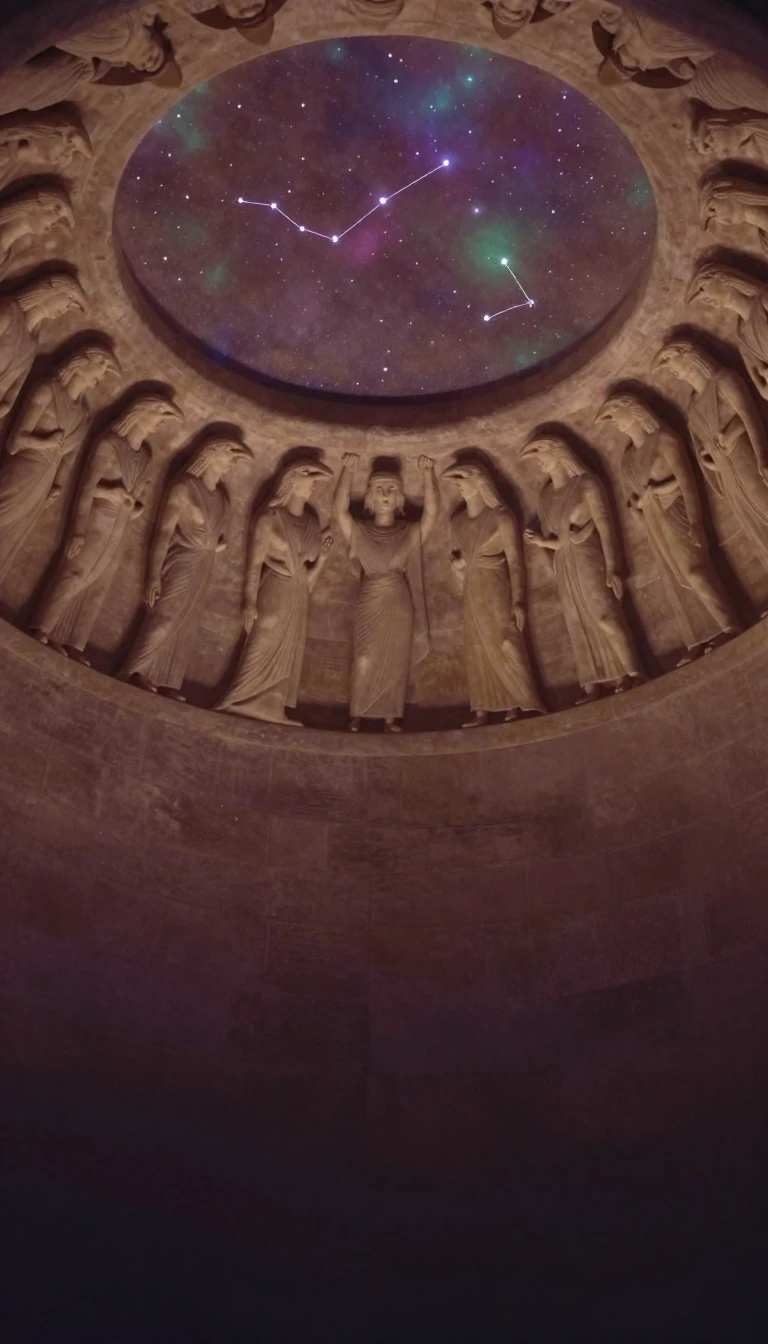
In short: Euhemerus, a Greek mythographer in the court of Cassander, proposed a radical idea: mythology is simply history in disguise. He argued that legendary deities were originally human rulers and conquerors whose lives were embellished through centuries of storytelling, a theory that fundamentally changed how we interpret ancient religious traditions.
Active in the late fourth century BC, Euhemerus remains a mysterious figure. While his birthplace is debated, most modern scholars point to the Sicilian colony of Messina. He served as a mythographer for Cassander, the king of Macedonia, and authored a work titled Sacred History. Though the original text is lost, fragments survive through citations by later writers like Diodorus Siculus, Eusebius, and Lactantius. These remnants suggest his work was a philosophical travelogue, blending political utopianism with fictionalized accounts of a voyage to the island of Panchaea.
The core of his legacy is euhemerism, a method of rationalizing myth by treating gods as historical personages. Euhemerus claimed to have discovered a golden pillar on Panchaea that recorded the births and deaths of various deities, including Zeus, whom he described as a former king of Crete. By framing these figures as mortal benefactors or conquerors, he aligned religious interpretation with the Hellenistic trend toward naturalism. While earlier thinkers like Herodotus and Xenophanes had toyed with similar ideas, Euhemerus was the first to apply this systematic approach to mythology as a whole.
His work had a lasting impact on later intellectual history. Early Christian writers, such as Lactantius, found his theory useful for undermining pagan belief systems, using the argument that gods were merely human to assert the superiority of the Christian God. Over time, this historical interpretation of myth persisted, appearing in later literature such as Abbé Banier's commentaries on Ovid. Today, euhemerism is recognized as a foundational, if controversial, lens through which we view the evolution of human narrative and the transformation of historical memory into legend.
Opens the Intellect+ feed with this card first. Swipe up for the next one.
Sources
- Summary by Intellect · source: Euhemerus
To cite this card, link to https://intellectplus.co.uk/app/ideas-euhemerus.
How we source, check and correct cards: Editorial standards.
General information, not professional advice. Spotted an error? Flag the card or see corrections and complaints.
Intellect Plus is a visual educational discovery platform for exploring fascinating facts and ideas. Brain Food, Not Brain Rot. What is Intellect Plus?
Related
More in Philosophers · More in Ideas & Philosophy · Latest · A–Z · All topics
