Why did the ancient Spartans build a sanctuary dedicated to the god of laughter?
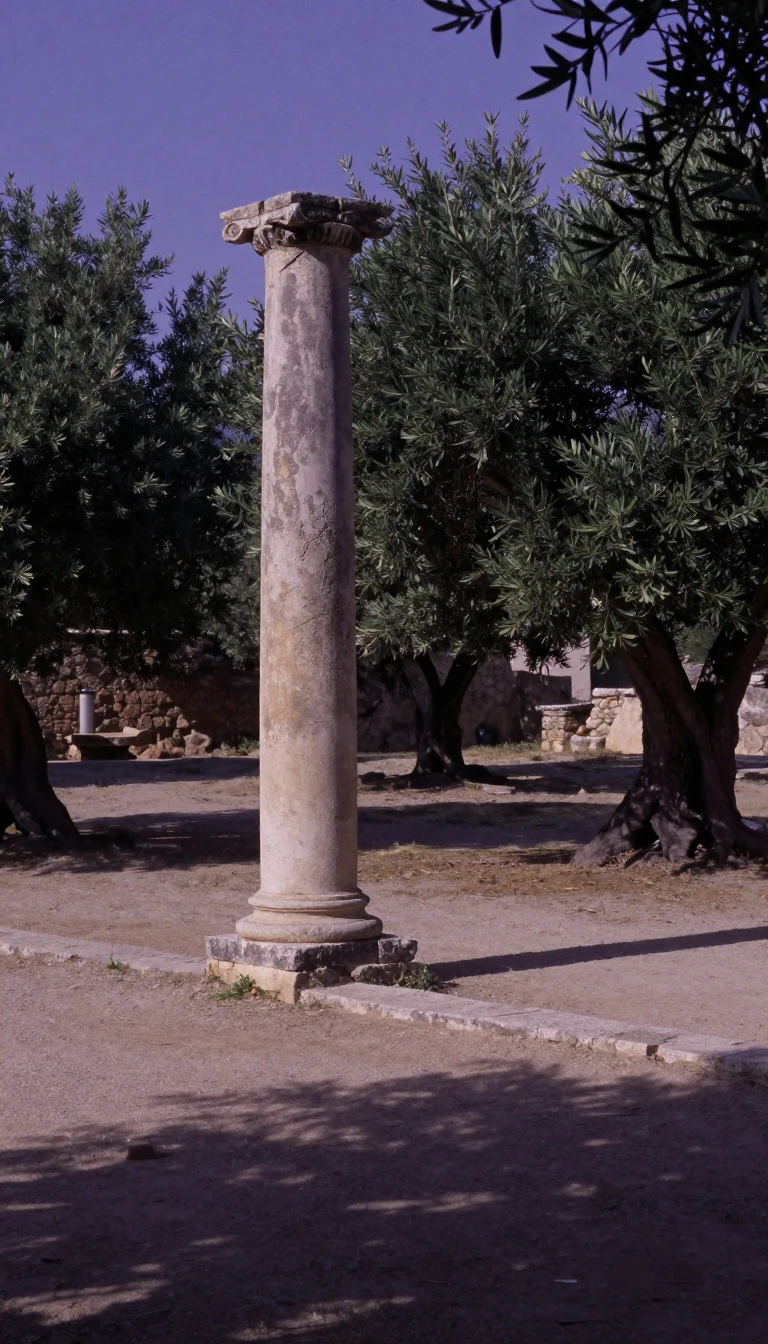
In short: In the pantheon of Greek mythology, Gelos stands as the divine personification of laughter. While we often associate the Spartans with stoic discipline and martial severity, they uniquely honored this deity with a dedicated sanctuary, placing laughter alongside personifications of death and fear in their cultural landscape.
Gelos, known as the embodiment of laughter, occupied a fascinating position within the Greek mythological framework. According to Philostratus the Elder, this deity was considered part of the retinue of Dionysus, the god of wine and revelry, often appearing alongside Comus, the spirit of festivity. This association suggests that the Greeks viewed laughter not merely as a casual reaction, but as a potent, divine force capable of shaping social and ritual experiences.
The most striking evidence of his veneration comes from Sparta. Plutarch records that the Spartan leader Lycurgus commissioned a small statue of Gelos as a dedication to the gods. More significantly, Sparta hosted a dedicated sanctuary for the deity. What makes this particularly intriguing is the company Gelos kept in the Spartan religious imagination; his sanctuary stood alongside those dedicated to Thanatos, the personification of death, and Phobos, the personification of fear. This juxtaposition implies that the Spartans recognized laughter as a fundamental human experience, ranking it in importance alongside the most primal and inevitable aspects of existence.
The reach of this deity extended into the Roman world under the name Risus. The writer Apuleius described a festival held in honor of Risus in Thessaly, though scholars remain divided on whether this event was a genuine historical practice or a creative literary invention. Whether a widespread cultural phenomenon or a localized curiosity, the existence of Gelos highlights a nuanced ancient perspective: that laughter was a powerful, perhaps even sacred, psychological state that required its own space, recognition, and divine patronage to be fully understood within the fabric of daily life.
Opens the Intellect+ feed with this card first. Swipe up for the next one.
Sources
- Summary by Intellect · source: Gelos (mythology)
To cite this card, link to https://intellectplus.co.uk/app/ideas-gelos-mythology.
How we source, check and correct cards: Editorial standards.
General information, not professional advice. Spotted an error? Flag the card or see corrections and complaints.
Intellect Plus is a visual educational discovery platform for exploring fascinating facts and ideas. Brain Food, Not Brain Rot. What is Intellect Plus?
Related
More in Greek mythology · More in Ideas & Philosophy · Latest · A–Z · All topics
