In ancient Athens, one altar stood apart as a sanctuary for the truly desperate.
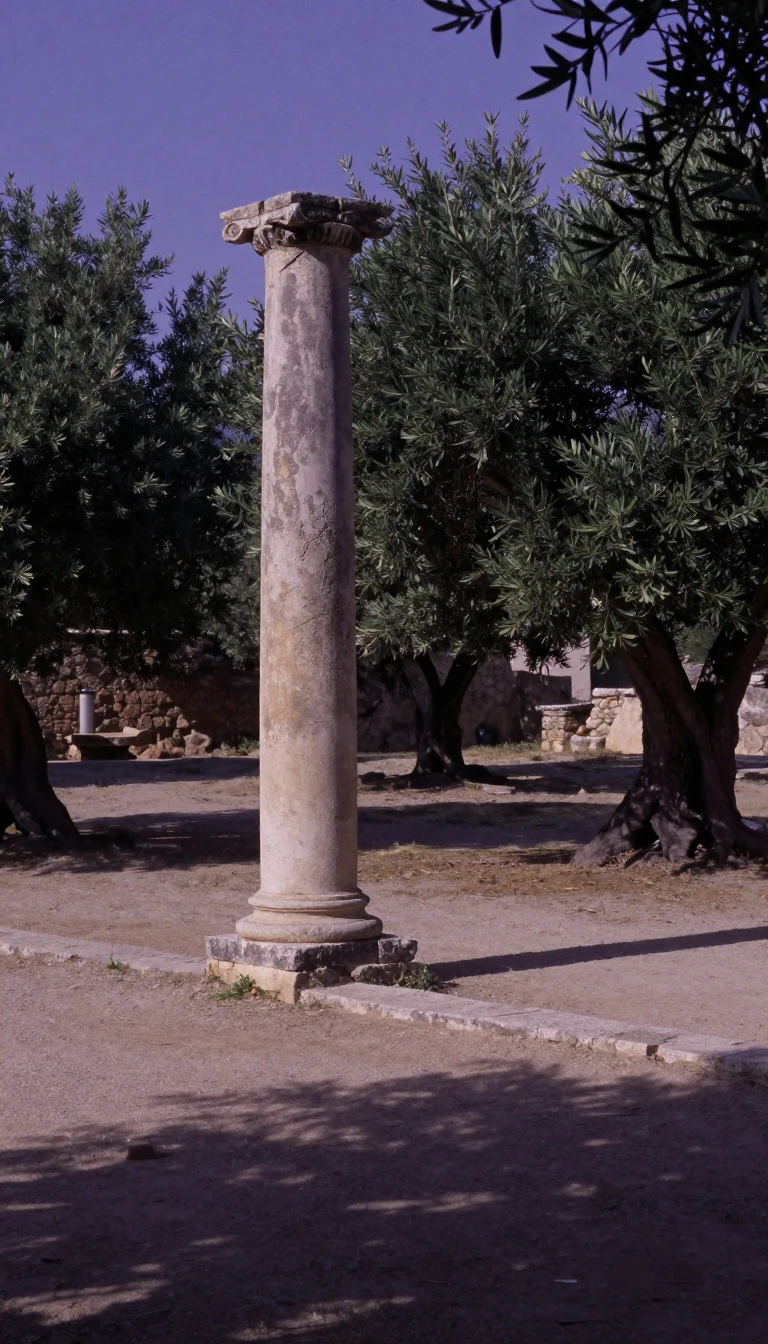
In short: While the Greek pantheon was filled with gods of power and war, the city of Athens uniquely honored Eleos, the personification of compassion. This deity held no traditional temple, but rather an altar where the wretched sought refuge, marking a rare space where human vulnerability was treated as sacred ground.
The altar of Eleos was a singular institution in the ancient world, recognized specifically within the city of Athens. Unlike the temples dedicated to the Olympian deities who governed the forces of nature or war, this site was described by the writer Pausanias as the most useful to human life during its many vicissitudes. It functioned as a place of sanctuary, a physical manifestation of mercy that offered protection to those who had nowhere else to turn.
Historical accounts highlight the desperate figures who sought aid at this altar. The children of Heracles famously fled there to escape the prosecution of Eurystheus. Similarly, Adrastus arrived at the site following the disastrous defeat of the Seven against Thebes, praying for the right to bury the fallen soldiers. These stories underscore the altar's role as a final resort for the defeated and the persecuted, a place where the social order of the time was temporarily suspended in favor of basic human empathy.
In the first century, the poet Statius described the altar in his work Thebaid, identifying the deity as Clementia, the Latin equivalent of Eleos. He noted that the site belonged to no god of power, but rather to a gentle force that held her seat in the midst of the city. The rituals performed here were distinct and intimate; those seeking favor or protection honored the deity by cutting their hair and removing their garments at the altar. This act of stripping away one's status and vanity served as a physical expression of total surrender and vulnerability, cementing the altar's reputation as a sanctuary for the wretched.
The legacy of Eleos remains a testament to the Athenian capacity for institutionalizing compassion. By dedicating a specific, sacred space to the concept of mercy, the city acknowledged that human suffering required a formal outlet. It was not merely a place of prayer but a social mechanism that allowed for the recognition of the vulnerable, ensuring that even in a world defined by the whims of powerful gods, there was a designated place for human kindness.
Opens the Intellect+ feed with this card first. Swipe up for the next one.
Sources
- Summary by Intellect · source: Eleos
To cite this card, link to https://intellectplus.co.uk/app/ideas-eleos.
How we source, check and correct cards: Editorial standards.
General information, not professional advice. Spotted an error? Flag the card or see corrections and complaints.
Intellect Plus is a visual educational discovery platform for exploring fascinating facts and ideas. Brain Food, Not Brain Rot. What is Intellect Plus?
Related
More in Greek mythology · More in Ideas & Philosophy · Latest · A–Z · All topics
