The sixteenth-century Scottish scholar who argued that citizens have the right to punish tyrants.
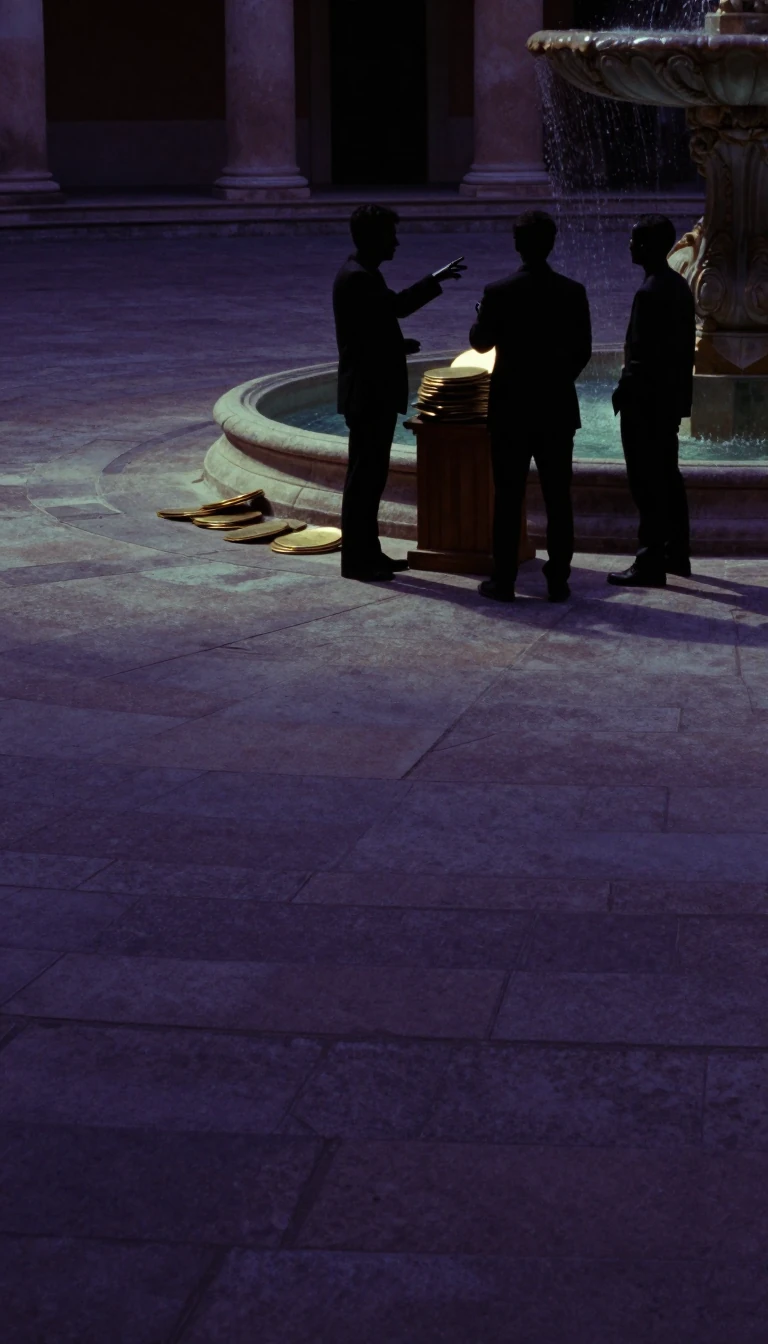
In short: George Buchanan was arguably the most influential intellectual of his era, yet his radical political theories were so dangerous that they were systematically suppressed for over a century. By asserting that political power originates with the people, he challenged the divine right of kings and paved the way for modern democracy.
Born in 1506 in Stirlingshire, George Buchanan rose from poverty to become a towering figure of the European Renaissance. A master of Latin, he was celebrated by contemporaries like Michel de Montaigne as the greatest poet of his age. His career spanned the continent, from teaching in Paris and Bordeaux to lecturing in Coimbra, where he eventually faced the Inquisition for his religious views. Despite his scholarly prestige, his life was marked by frequent conflict with established authorities, including the Franciscan order and the Catholic Church.
Buchanan’s most enduring legacy lies in his political philosophy, specifically his 1579 treatise, De Jure Regni apud Scotos. In this work, he argued that monarchs are bound by the conditions under which they receive power, and that the people possess the lawful right to resist or even execute tyrants. This revolutionary perspective was not merely theoretical; it served as a foundational text for the Scottish Reformation and influenced political upheavals long after his death in 1582. His ideas were so threatening to the status quo that the British Parliament officially condemned his writings in 1584, and the University of Oxford publicly incinerated his books in 1664 and 1683.
Beyond his political radicalism, Buchanan served as the senior tutor to King James VI. He subjected the young monarch to a rigorous, often brutal education, aiming to mold him into a God-fearing, constitutional ruler. While he failed to fully instill his democratic ideals in his royal pupil, his influence on Scottish history remained profound. By the eighteenth century, his reputation was so cemented that his portrait served as a sign for prominent London bookshops. Today, he is remembered not just as a brilliant humanist, but as a pivotal thinker whose work bridged the gap between medieval authority and the modern concept of popular sovereignty.
Opens the Intellect+ feed with this card first. Swipe up for the next one.
Sources
- Summary by Intellect · source: George Buchanan
To cite this card, link to https://intellectplus.co.uk/app/ideas-george-buchanan.
How we source, check and correct cards: Editorial standards.
General information, not professional advice. Spotted an error? Flag the card or see corrections and complaints.
Intellect Plus is a visual educational discovery platform for exploring fascinating facts and ideas. Brain Food, Not Brain Rot. What is Intellect Plus?
Related
More in Philosophers · More in Ideas & Philosophy · Latest · A–Z · All topics
