How a Renaissance physician became the father of geology and mining science
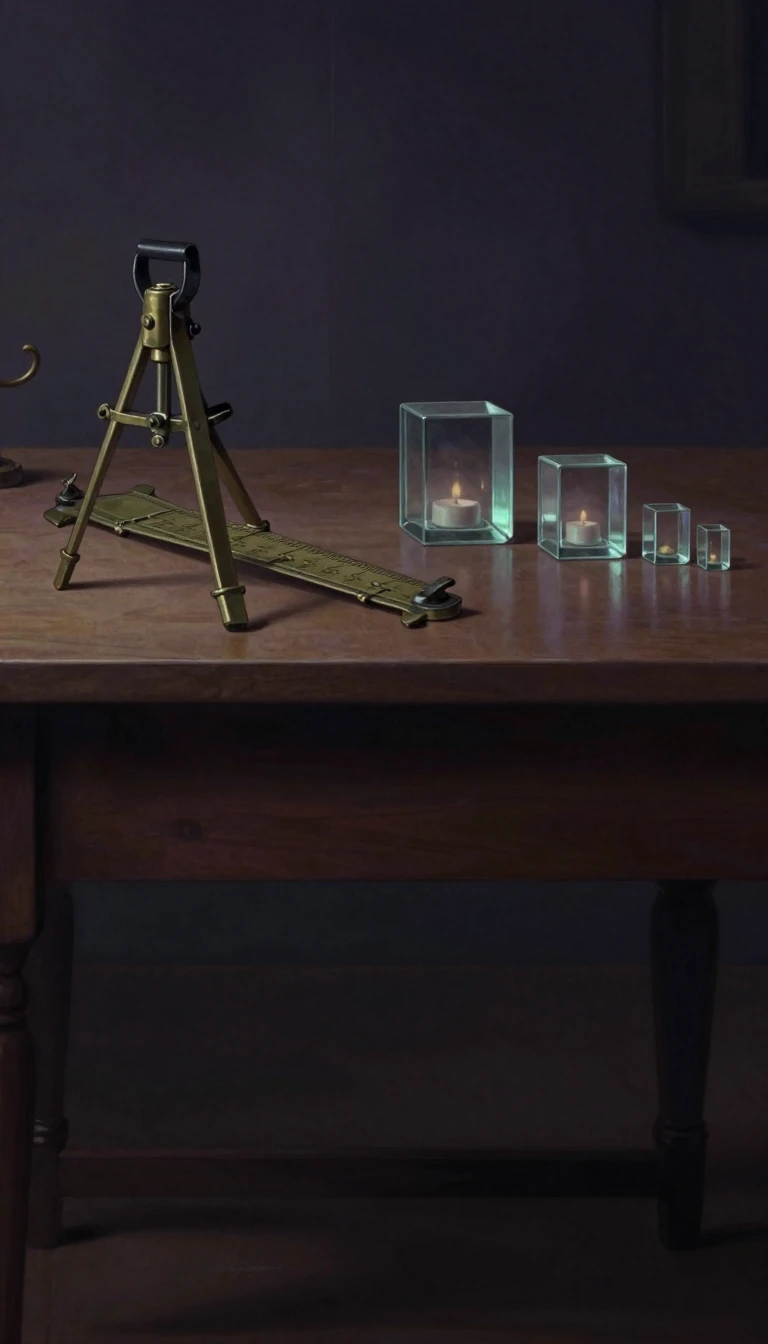
In short: Georgius Agricola, born Georg Pawer, transformed our understanding of the earth. By systematically documenting mining practices and mineralogy through direct observation, he replaced ancient guesswork with empirical science. His seminal work, De re metallica, remained the standard reference for two centuries, bridging the gap between medieval alchemy and modern industry.
Born in 1494 in Glauchau, Agricola was a quintessential Renaissance humanist. Educated in theology, philosophy, and medicine, he eventually settled in Joachimsthal, a booming mining center. There, he applied his physician’s eye to the earth itself. Rejecting the reliance on ancient authorities like Pliny the Elder, he insisted on writing only about what he had personally seen or carefully verified. This commitment to direct observation led to his 1530 work, Bermannus, which organized mining knowledge into a logical, scholarly framework.
Agricola’s magnum opus, De re metallica libri XII, published posthumously in 1556, was a comprehensive, 12-chapter guide to mining and metallurgy. It detailed everything from prospecting and surveying to the use of water mills and complex lifting machinery. He even documented now-obsolete techniques like fire-setting, where miners used thermal shock to fracture hard rock. The work was so precise that it served as the definitive manual for 200 years, eventually being translated into English in 1912 by Herbert Hoover—who would later become the 31st U.S. President—and his wife, Lou Henry Hoover.
Beyond his mining expertise, Agricola was a polymath who published over 40 scholarly works on subjects ranging from medicine to metrology. He is credited with giving chemistry its modern name by dropping the Arabic prefix 'al-' from 'alchemy'. While his geological theories sometimes included outdated concepts like 'fatty matter' causing fossil formation, his foundational work on subterranean forces and mineral classification earned him the title of the father of mineralogy. Despite his immense contributions, his fervent Catholicism led to his burial being refused in his home city of Chemnitz, forcing his remains to be moved to Zeitz cathedral.
Opens the Intellect+ feed with this card first. Swipe up for the next one.
Sources
- Summary by Intellect · source: Georgius Agricola
To cite this card, link to https://intellectplus.co.uk/app/ideas-georgius-agricola.
How we source, check and correct cards: Editorial standards.
General information, not professional advice. Spotted an error? Flag the card or see corrections and complaints.
Intellect Plus is a visual educational discovery platform for exploring fascinating facts and ideas. Brain Food, Not Brain Rot. What is Intellect Plus?
Related
More in Philosophers · More in Ideas & Philosophy · Latest · A–Z · All topics
