The ancient garden of Gethsemane: where history, faith, and archaeology collide in Jerusalem
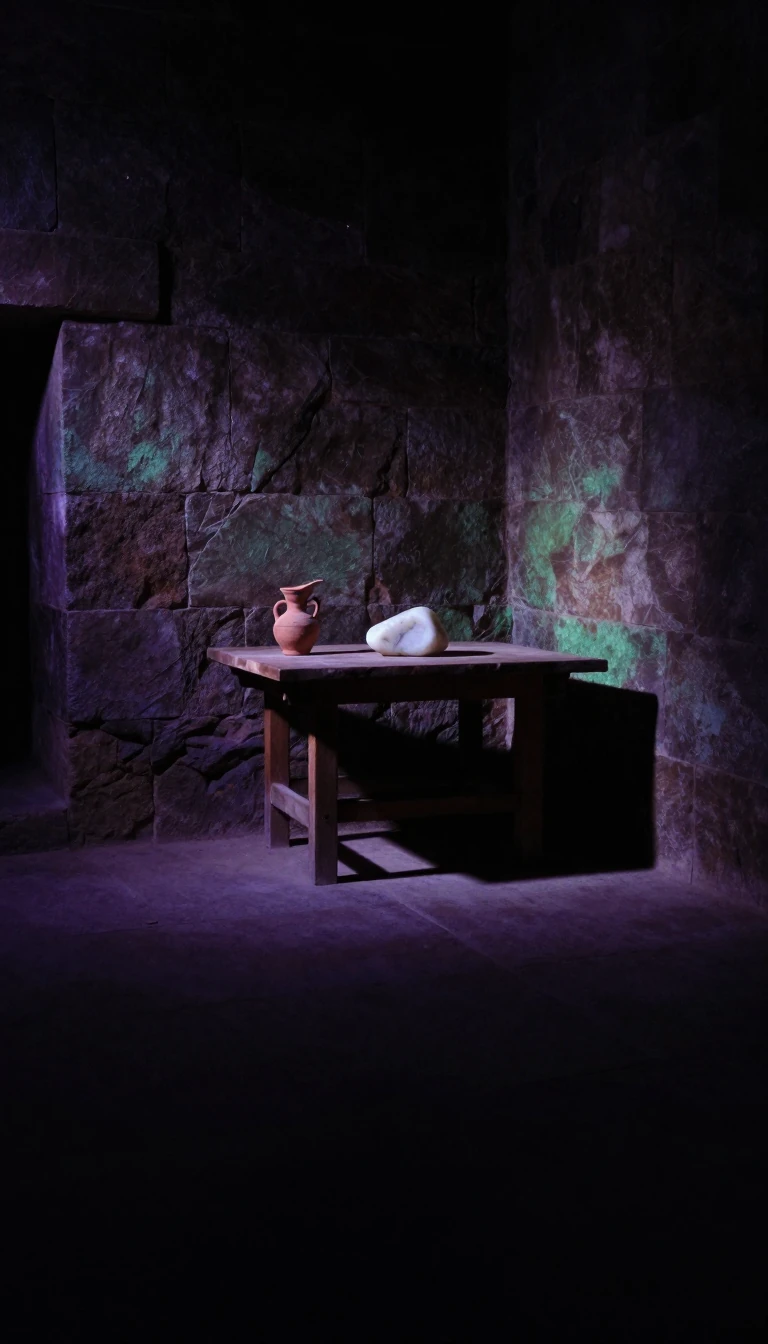
In short: Gethsemane is synonymous with the final hours of Jesus, yet its exact location remains a subject of intense debate. While multiple sites claim the title, modern archaeology reveals a complex landscape of olive presses, ritual baths, and ancient trees that continue to challenge our understanding of this sacred space.
The name Gethsemane derives from Aramaic and Hebrew terms meaning 'oil press,' a detail supported by archaeological findings. In 1956, excavations by Virgilio Corbo uncovered evidence of agricultural facilities for olive oil production dating to the late Second Temple period. Further surveys in 2020 by the Israel Antiquities Authority revealed a 1,500-year-old Byzantine church and a ritual bath, or mikveh, providing the first physical evidence of the site's long history of pilgrimage.
Despite the site's significance, its precise location is contested. The New Testament describes it as a garden or estate near the Mount of Olives, but four distinct locations are currently claimed by various denominations. Scholars note that the tradition relies on conflating different Gospel accounts, and some researchers, such as William McClure Thomson, have historically argued that the traditional sites are too close to city thoroughfares to have offered the seclusion described in the Gospels.
The garden's famous olive trees are often associated with the biblical narrative, but science offers a more nuanced view. A 2012 study by the Italian National Research Council carbon-dated three trees to the 12th century, specifically AD 1092, 1166, and 1198. While these trees share a common genetic lineage, researchers emphasize that because olive trees can regenerate from roots after being cut, these dates do not definitively prove or disprove their presence during the time of Jesus.
The mystery of the site is further complicated by competing traditions. While Western traditions focus on the agony of Jesus, Eastern Orthodox belief identifies the garden as the burial place of the Virgin Mary. As archaeological techniques improve, the search for the 'true' Gethsemane continues, bridging the gap between centuries of religious devotion and the physical realities of the ancient landscape.
Opens the Intellect+ feed with this card first. Swipe up for the next one.
Sources
- Summary by Intellect · source: Gethsemane
To cite this card, link to https://intellectplus.co.uk/app/ideas-gethsemane.
How we source, check and correct cards: Editorial standards.
General information, not professional advice. Spotted an error? Flag the card or see corrections and complaints.
Intellect Plus is a visual educational discovery platform for exploring fascinating facts and ideas. Brain Food, Not Brain Rot. What is Intellect Plus?
Related
More in Religious figures · More in Ideas & Philosophy · Latest · A–Z · All topics
