Is the City of David the true biblical core of ancient Jerusalem?
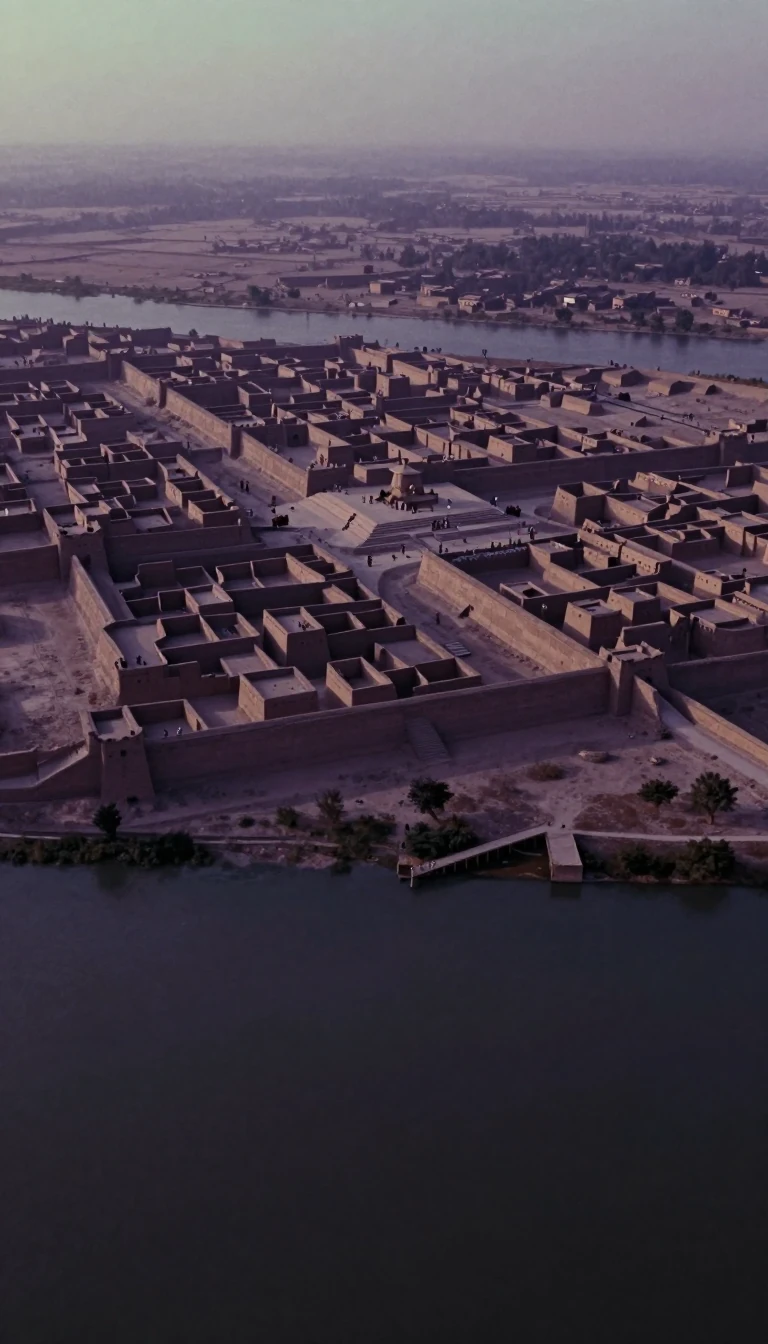
In short: Archaeologists have spent over 150 years excavating a narrow ridge south of Jerusalem's Temple Mount, searching for the legendary city of King David. While the site remains a focal point of biblical archaeology, modern discoveries and intense scholarly debate continue to challenge our understanding of this ancient, contested landscape.
The City of David, situated on a rocky spur south of the Temple Mount, is widely considered the original settlement core of Jerusalem. Its history stretches back to the Chalcolithic and Early Bronze Age, with the Gihon Spring serving as the primary reason for the city's initial emergence. The site gained its name from the biblical narrative, which describes King David conquering the Jebusite stronghold of Jebus around 1000 BCE. However, the reliability of these biblical accounts is a subject of significant academic contention.
Archaeological exploration began in earnest with the 1867 survey by Charles Warren, who famously identified a vertical shaft he believed was used by ancient inhabitants to access water. Later research proved this interpretation incorrect, as the shaft was natural and inaccessible during the 10th century BCE. Subsequent excavations, including those by Dame Kathleen Kenyon between 1961 and 1967, revealed complex defensive networks, including a 3,800-year-old city wall. More recently, a massive moat identified in 2023 at the Givati parking lot has provided new insights into the site's defensive topography, dating back to at least 900 BCE.
Today, the site is a flashpoint for both historical and political debate. Scholars remain divided on the historicity of a united monarchy under David and Solomon, with some viewing the biblical narrative as a theological exaggeration. Furthermore, the area is located within the predominantly Palestinian neighborhood of Wadi Hilweh, part of Silwan. The renaming of the area to 'City of David' by the Jerusalem Municipality in 2015 remains highly controversial, reflecting the tension between archaeological research, national agendas, and the lived reality of local residents who have long known the area by its Arabic name.
Opens the Intellect+ feed with this card first. Swipe up for the next one.
Sources
- Summary by Intellect · source: City of David (archaeological site)
To cite this card, link to https://intellectplus.co.uk/app/culture-city-of-david-archaeological-site.
How we source, check and correct cards: Editorial standards.
General information, not professional advice. Spotted an error? Flag the card or see corrections and complaints.
Intellect Plus is a visual educational discovery platform for exploring fascinating facts and ideas. Brain Food, Not Brain Rot. What is Intellect Plus?
Related
More in Education · More in Cultures · Latest · A–Z · All topics
