How a minor Neoplatonic philosopher preserved the intellectual legacy of his master in Alexandria
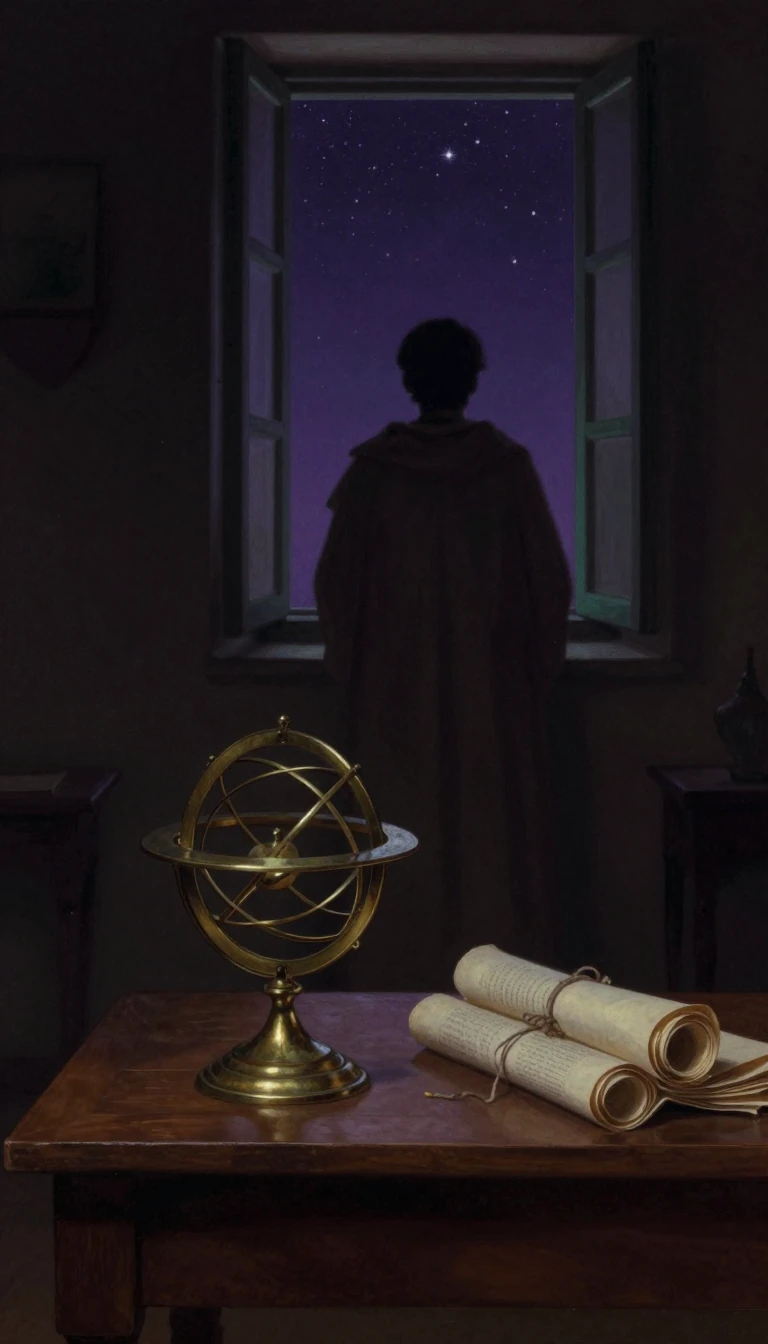
In short: Hermias, a Neoplatonic thinker from Alexandria, is remembered primarily for his surviving commentary on Plato's Phaedrus. By documenting the lectures of his teacher, Syrianus, he bridged the gap between the Athenian philosophical tradition and the academic life of Egypt, ensuring his mentor's insights endured long after his own early death.
Born in Alexandria around 410 AD, Hermias traveled to Athens to immerse himself in the rigorous Neoplatonic tradition under the guidance of Syrianus. His life was deeply intertwined with the inner circle of this school; he married Aedesia, a relative of Syrianus. Interestingly, Aedesia had been originally betrothed to the famous philosopher Proclus, but the engagement was dissolved after Proclus reportedly received a divine warning. This connection highlights the tight-knit, almost familial nature of the philosophical communities of late antiquity.
Upon returning to Alexandria, Hermias took on the role of a lecturer within the school of Horapollo, supported by a state-funded income. His most significant contribution to posterity is his commentary on Plato's Phaedrus. Rather than an entirely original work, this text functions as a collection of notes derived from the lectures of Syrianus. These notes provide a rare, direct window into the pedagogical methods and interpretive frameworks used by the Athenian Neoplatonists to analyze Platonic dialogues.
Hermias died before 470 AD, leaving behind young children, Ammonius and Heliodorus. The state continued to provide an income to Aedesia, a gesture that proved vital for the family's future. This financial support allowed his children to pursue their own philosophical education, eventually following in their father's footsteps. By preserving the teachings of Syrianus and fostering the next generation of thinkers, Hermias played a crucial role in maintaining the continuity of the Neoplatonic tradition during a period of significant cultural transition in the ancient world.
Opens the Intellect+ feed with this card first. Swipe up for the next one.
Sources
- Summary by Intellect · source: Hermias (philosopher)
To cite this card, link to https://intellectplus.co.uk/app/ideas-hermias-philosopher.
How we source, check and correct cards: Editorial standards.
General information, not professional advice. Spotted an error? Flag the card or see corrections and complaints.
Intellect Plus is a visual educational discovery platform for exploring fascinating facts and ideas. Brain Food, Not Brain Rot. What is Intellect Plus?
Related
More in Philosophers · More in Ideas & Philosophy · Latest · A–Z · All topics
