How a medieval mystic used secular philosophy to build a bridge toward the divine
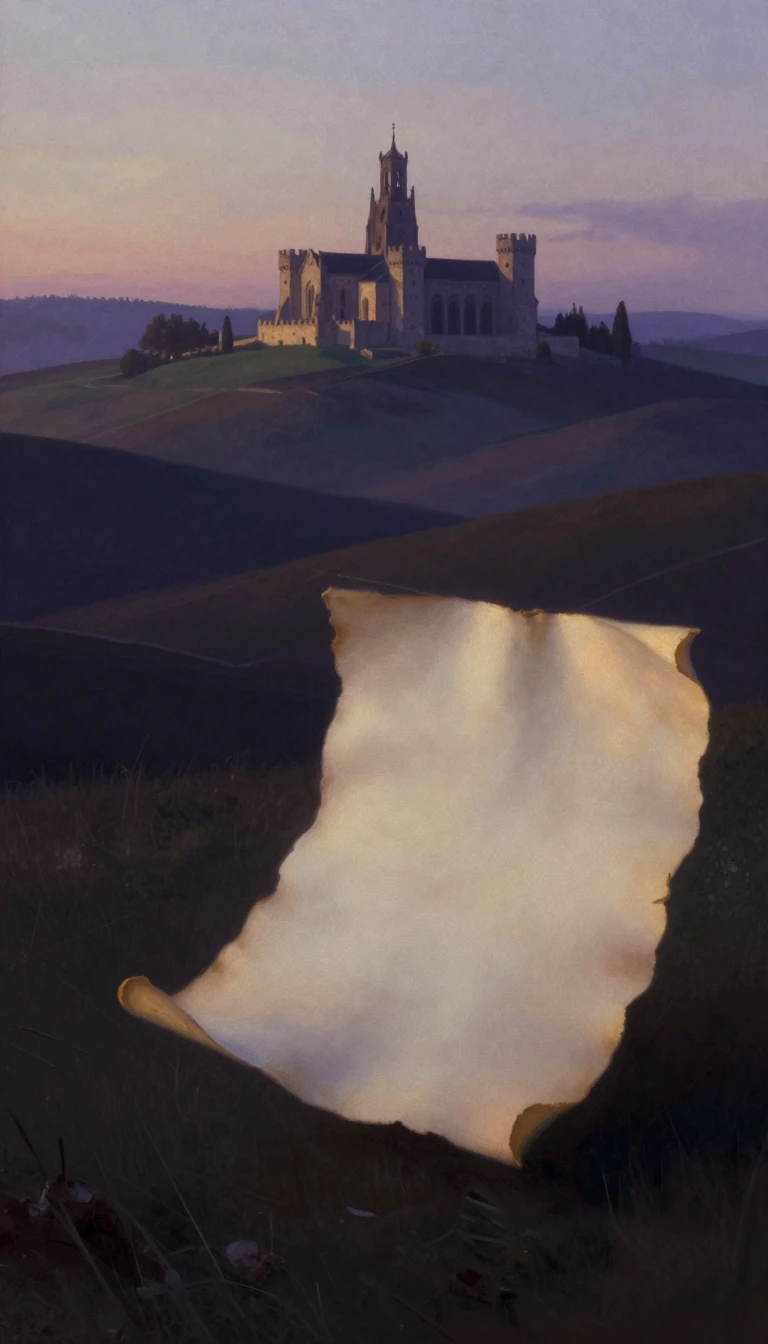
In short: Hugh of Saint Victor, a twelfth-century theologian, argued that the path to God required more than just faith. By integrating logic, geometry, and the mechanical arts into his studies, he created a comprehensive framework for learning that transformed how medieval scholars approached both the natural world and the mysteries of scripture.
Born around 1096, likely in the Duchy of Saxony, Hugh of Saint Victor became a defining intellectual force at the Abbey of Saint Victor in Paris. His most influential work, the Didascalicon, served as a foundational guide for students, categorizing human knowledge into theoretical, practical, mechanical, and logical branches. Unlike many of his contemporaries who viewed secular learning with suspicion, Hugh insisted that philosophy and the arts were essential tools for the soul’s ascent toward God. He believed that by mastering these disciplines, a person could move from the chaos of ignorance toward the order of divine wisdom.
Hugh’s approach was deeply mystical, yet grounded in a rigorous intellectual structure. In his masterpiece, De sacramentis christianae fidei, he explored the nature of creation and redemption, distinguishing between the works of creation and the works of restoration. He famously interpreted the biblical account of Noah’s Ark not as a literal historical record, but as a symbolic vessel for moral and mystical contemplation. His conjectured design for the ark—a hull with a sloped roof and side door—became the standard representation for centuries, illustrating his tendency to find spiritual lessons in physical forms.
His legacy extended far beyond his own lifetime, influencing later thinkers like Bonaventure and the critic Erich Auerbach. Hugh’s commentary on the Celestial Hierarchy of pseudo-Dionysius helped spark a surge of interest in Dionysian thought throughout the twelfth and thirteenth centuries. Although some of his ideals regarding the integration of science and faith did not fully take root within his own school, his writings remained preserved in hundreds of libraries across Europe. By treating the entire world as a place of potential learning, Hugh of Saint Victor provided a blueprint for the medieval mind to reconcile the transitory nature of physical life with the eternal pursuit of the divine.
Opens the Intellect+ feed with this card first. Swipe up for the next one.
Sources
- Summary by Intellect · source: Hugh of Saint Victor
To cite this card, link to https://intellectplus.co.uk/app/ideas-hugh-of-saint-victor.
How we source, check and correct cards: Editorial standards.
General information, not professional advice. Spotted an error? Flag the card or see corrections and complaints.
Intellect Plus is a visual educational discovery platform for exploring fascinating facts and ideas. Brain Food, Not Brain Rot. What is Intellect Plus?
Related
More in Philosophers · More in Ideas & Philosophy · Latest · A–Z · All topics
