Why the frog's eye changed our understanding of how living systems perceive reality
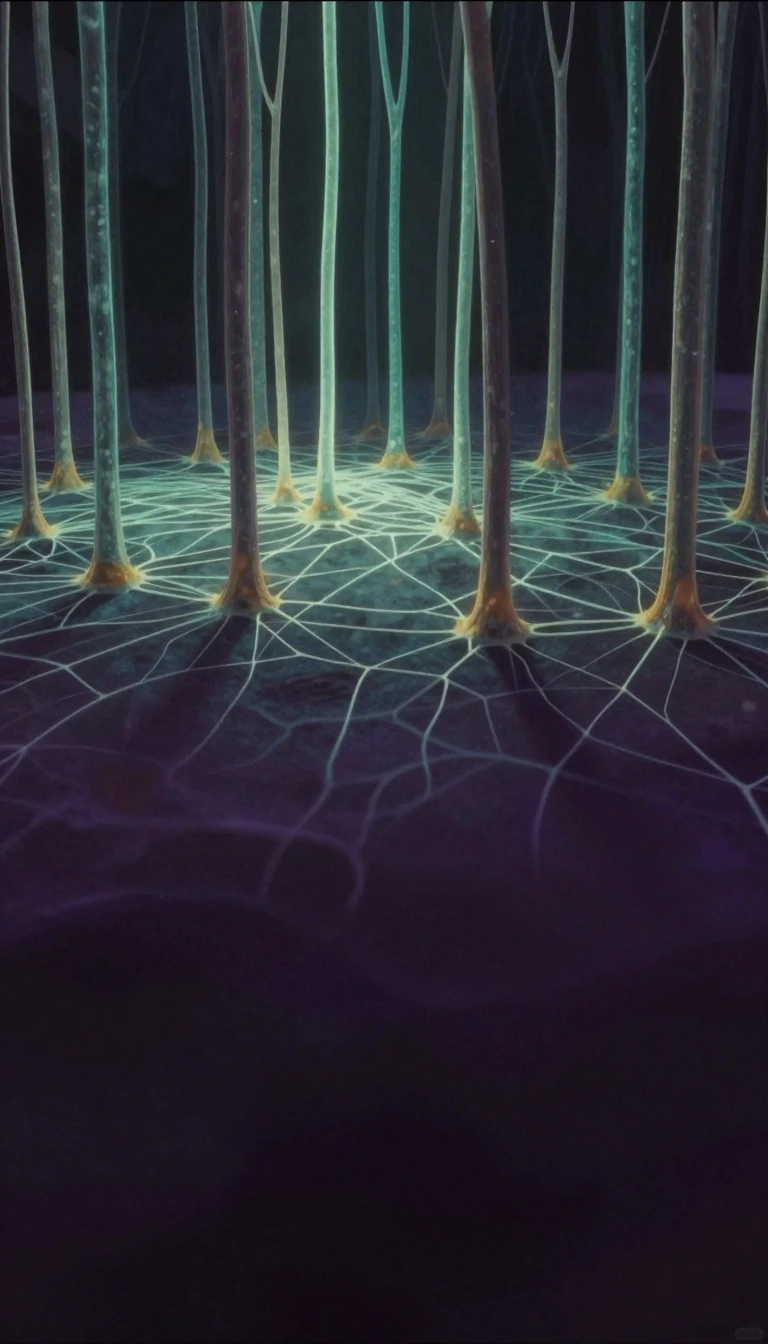
In short: Humberto Maturana transformed biology by viewing organisms as self-governing, closed systems. His early work on frog vision revealed that brains do not merely record objective reality; they actively construct it. This shift from observing being to understanding doing redefined cognition, suggesting that life itself is a continuous, self-maintaining process.
Born in Santiago in 1928, Humberto Maturana spent his formative years grappling with illness and isolation. A three-year confinement due to tuberculosis at age twelve led him to adopt various personas and reflect deeply on the nature of existence. He concluded that living systems are autonomous entities that process all experiences in reference to themselves, a realization that would underpin his later scientific career.
Maturana’s early research at MIT, alongside Jerome Lettvin, Warren McCulloch, and Walter Pitts, produced the seminal 1959 paper, "What the Frog's Eye Tells the Frog's Brain." By using natural stimuli rather than simple light spots, the team discovered that retinal ganglion cells act as specialized filters, such as "bug detectors," which respond only to specific environmental triggers. This work challenged the notion that the brain is a passive recorder of an external, objective world, instead positioning it as an active participant in bringing forth a world through its own structural operations.
In the 1970s, Maturana and his student Francisco Varela introduced "autopoiesis," a concept describing living systems as closed, self-generating networks. Unlike machines designed by humans, organisms maintain their own organization through molecular processes. Maturana insisted this definition remains strictly biological, rejecting its extension into sociology. He argued for "objectivity in parentheses," suggesting that what we call reality is actually a product of the observer's own distinctions. This perspective, which he termed the "biology of cognition," remains a cornerstone of systems thinking, influencing fields from ecology to family therapy.
Opens the Intellect+ feed with this card first. Swipe up for the next one.
Sources
- Summary by Intellect · source: Humberto Maturana
- Also: Humberto Maturana | Chilean biologist | Britannica
To cite this card, link to https://intellectplus.co.uk/app/ideas-humberto-maturana.
How we source, check and correct cards: Editorial standards.
General information, not professional advice. Spotted an error? Flag the card or see corrections and complaints.
Intellect Plus is a visual educational discovery platform for exploring fascinating facts and ideas. Brain Food, Not Brain Rot. What is Intellect Plus?
Related
More in Philosophers · More in Ideas & Philosophy · Latest · A–Z · All topics
