How a self-proclaimed genius became the king of Russian Ego-Futurism
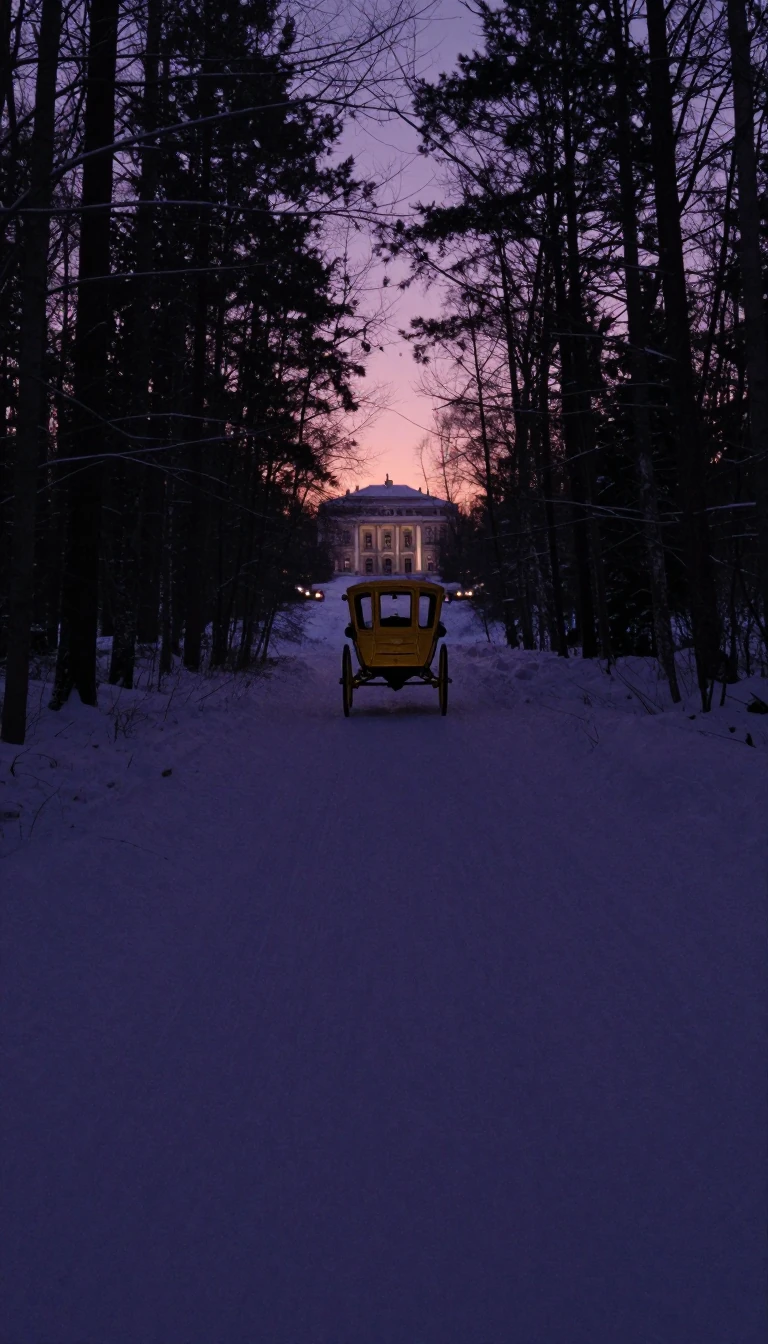
In short: Igor Severyanin was a sensation who captivated Imperial Russia with his slick hair, impeccable tails, and a signature lily. By blending high-society glamour with the modern marvels of automobiles and dirigibles, he crafted a unique, flamboyant aesthetic that left critics scandalized and a massive cult following utterly obsessed.
Born Igor Vasilyevich Lotaryov in 1887, the poet who would become known as Severyanin—meaning 'Northerner'—emerged from a family of army engineers. His rise to fame was unconventional; after early self-published efforts, he achieved a breakthrough in 1913 with the collection The Cup of Thunder. This work, introduced by Fyodor Sologub, marked a moment where, according to critic D.S. Mirsky, vulgarity asserted its place on Parnassus. Severyanin was unapologetic about his status, famously declaring himself a genius to his readers.
Severyanin’s poetry was a deliberate assault on the senses, designed to overwhelm the bourgeois imagination. He filled his verses with surreal, opulent imagery like 'ice cream of lilacs' and 'pineapples in champagne.' This obsession with glamour was paired with a fascination for the technological advancements of his time, such as automobiles and dirigibles, which he used to signal modernity. His public persona was equally calculated, featuring a distinct look of dark-circled eyes and pomaded hair, often accompanied by a lily. His provocative behavior, including open admiration for Oscar Wilde and displays of megalomania, eventually led to his peers crowning him the 'king of poets' at a party.
The Russian Revolution of 1917 fundamentally altered the trajectory of his life. Severyanin was among the first poets to flee, eventually settling in Estonia in 1918. Despite attempts to return to his homeland, he was prevented by the civil war, his marriage to Felissa Kruut, and the changing literary climate under Soviet rule. He remained in Estonia, continuing his literary work until the Soviet occupation in 1940. He died of a heart attack in 1941 in German-occupied Tallinn, where he was buried in the Alexander Nevsky cemetery.
Opens the Intellect+ feed with this card first. Swipe up for the next one.
Sources
- Summary by Intellect · source: Igor Severyanin
To cite this card, link to https://intellectplus.co.uk/app/ideas-igor-severyanin.
How we source, check and correct cards: Editorial standards.
General information, not professional advice. Spotted an error? Flag the card or see corrections and complaints.
Intellect Plus is a visual educational discovery platform for exploring fascinating facts and ideas. Brain Food, Not Brain Rot. What is Intellect Plus?
Related
More in Writers · More in Ideas & Philosophy · Latest · A–Z · All topics
