The Iron Gates: How a treacherous Danube gorge shaped empires and submerged history
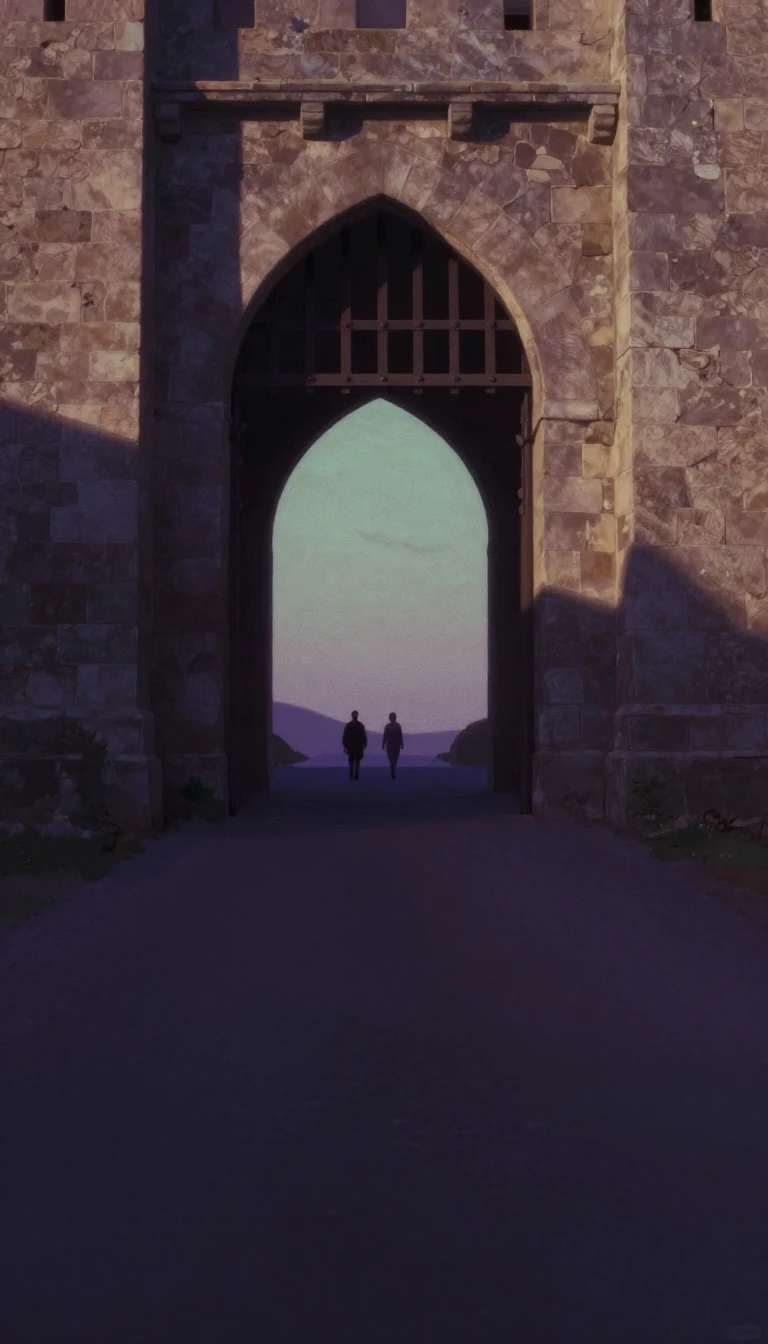
In short: For centuries, the Iron Gates were a navigational nightmare, forcing ships to rely on local pilots to survive the Danube’s deadly rapids. Today, this gorge is a massive hydroelectric hub, but its transformation came at a steep price: the permanent loss of ancient settlements and a unique, multicultural island.
The Iron Gates, a 134-kilometer stretch where the Danube carves through the Carpathian and Balkan mountains, has long served as a strategic boundary. Known by various names—including the Serbian Đerdap and the Turkish-derived Demir-kapija—the gorge was historically infamous for its dangerous rapids and rock formations like the Prigrada and Greben. Navigating these waters required skilled local guides, known as kalauz, and later, state-appointed navigators called dumendžibaša, who managed the passage through the treacherous currents.
Efforts to tame the river culminated in the 1960s with a massive joint project between Romania and Yugoslavia. The construction of the Iron Gate I and II dams created a reservoir that raised water levels by 35 meters, submerging several villages and the island of Ada Kaleh. This island, a former Turkish exclave with a rich history of shifting imperial control between Austria and the Ottoman Empire, was home to a diverse population of 400 to 500 people before it vanished beneath the rising waters in the early 1970s.
Beyond the human displacement, the dams fundamentally altered the river's ecology. By creating isolated compartments, the project blocked the migration routes of sturgeon, including the massive beluga, which once reached weights of 500 kilograms. While the gorge remains a vital shipping lane and a site of immense archaeological significance—most notably the Mesolithic settlement of Lepenski Vir—the environmental and cultural legacy of the Iron Gates serves as a stark reminder of the trade-offs inherent in large-scale engineering.
Today, the area is protected by the Đerdap and Porțile de Fier national parks, preserving the remaining geomorphological and historical artifacts. Despite the dams, the Iron Gates continue to hold a place in the cultural imagination, appearing in literature from Mór Jókai’s 1872 novel to Patrick Leigh Fermor’s travelogues, reflecting its enduring status as a gateway between the upper and lower Danube valleys.
Opens the Intellect+ feed with this card first. Swipe up for the next one.
Sources
- Summary by Intellect · source: Iron Gates
To cite this card, link to https://intellectplus.co.uk/app/ideas-iron-gates.
How we source, check and correct cards: Editorial standards.
General information, not professional advice. Spotted an error? Flag the card or see corrections and complaints.
Intellect Plus is a visual educational discovery platform for exploring fascinating facts and ideas. Brain Food, Not Brain Rot. What is Intellect Plus?
Related
More in Philosophers · More in Ideas & Philosophy · Latest · A–Z · All topics
