Satu Mare: A Romanian City Defined by the Meandering Someș River and Salt Trade
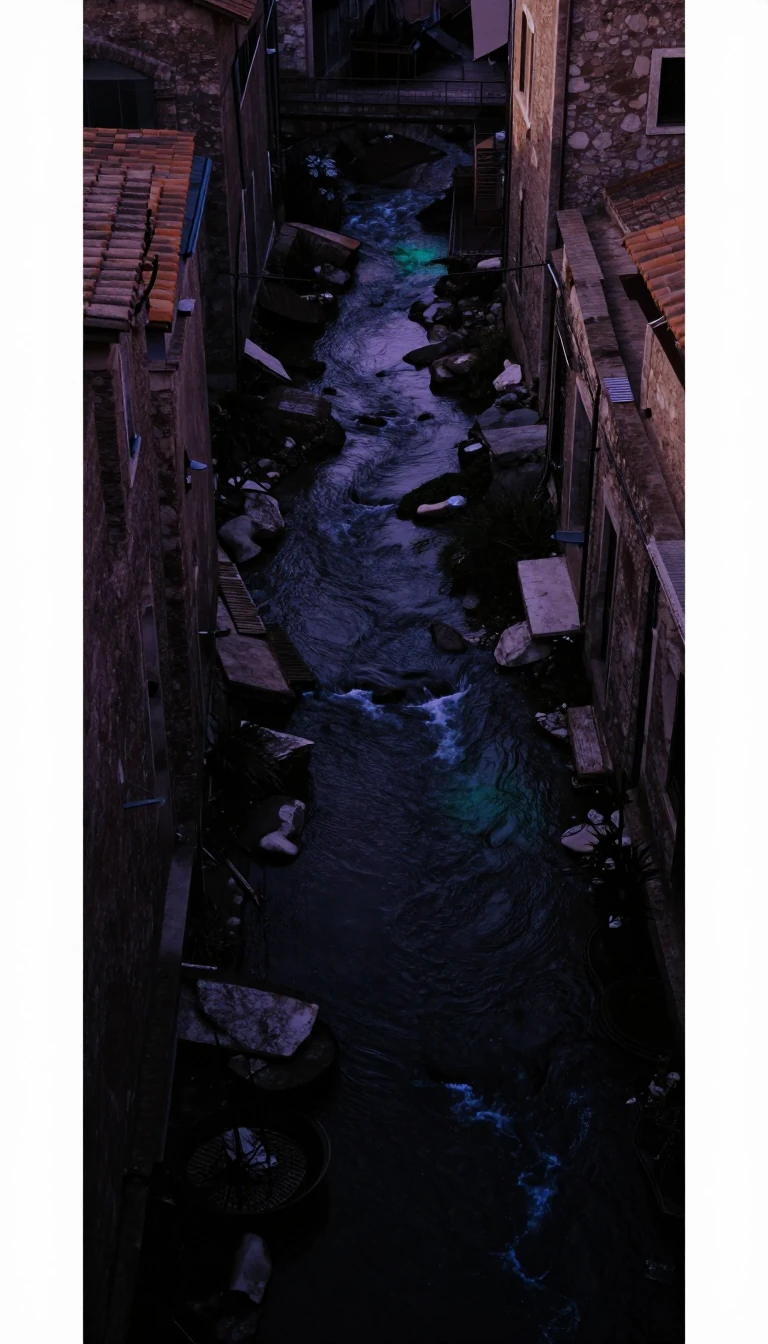
In short: Located in northwest Romania, Satu Mare has evolved from a medieval fortress town into a modern industrial hub. Its history is inseparable from the Someș River, which once dictated the city's defensive layout and trade routes. Today, the city stands as a testament to resilience, rebirth, and complex cultural shifts.
The origins of Satu Mare are deeply tied to the Someș River. Early legends suggest the settlement was founded by boatmen transporting salt from nearby deposits, establishing it as a vital market center. By the 10th century, a fortified site known as castrum Zotmar existed at the location. The river’s influence was physical as well as economic; the land’s gentle slope led the Someș to create numerous meanders. In the 16th century, the Báthory family famously diverted the river to surround the citadel, effectively turning the fortress into an island accessible only by bridges.
The city’s landscape has been shaped by both nature and human intervention. The terrain itself dates back to the late Pliocene, formed by the clogging of the Pannonian Sea, which left behind layers of sand, loess, and gravel. Centuries later, the city faced significant environmental challenges, most notably devastating floods in 1970. In response, massive engineering works were undertaken to raise embankments by up to 3 meters, protecting over 52,000 hectares of land and reclaiming agricultural territory that had long been submerged. This event remains so central to the city's identity that 14 May is commemorated annually as a day of rebirth.
Satu Mare has also served as a crossroads for diverse populations and political powers. Throughout its history, it has been influenced by German colonists, Ottoman authorities, and the Habsburg monarchy. The 1711 Treaty of Szatmár, signed within the city walls, concluded Rákóczi's War for Independence. The city’s Jewish community, which once maintained a vibrant intellectual and religious life with numerous synagogues and a prominent yeshiva, was tragically decimated during the Holocaust in 1944. Today, the city serves as a capital of its county and a critical rail and road junction, bridging connections between Romania, Hungary, and Ukraine.
Opens the Intellect+ feed with this card first. Swipe up for the next one.
Sources
- Summary by Intellect · source: Satu Mare
- Also: Satu Mare | Satu Mare | Transylvania, Hungary, Saxons | Britannica
- Also: Wikidata — Satu Mare · CC0
- Also: Wikidata — Satu Mare · CC0
To cite this card, link to https://intellectplus.co.uk/app/places-satu-mare.
How we source, check and correct cards: Editorial standards.
General information, not professional advice. Spotted an error? Flag the card or see corrections and complaints.
Intellect Plus is a visual educational discovery platform for exploring fascinating facts and ideas. Brain Food, Not Brain Rot. What is Intellect Plus?
Related
More in Bodies of water · More in Countries & Cities · Latest · A–Z · All topics
