Is Jahannam a static place of punishment or a sentient, living entity?
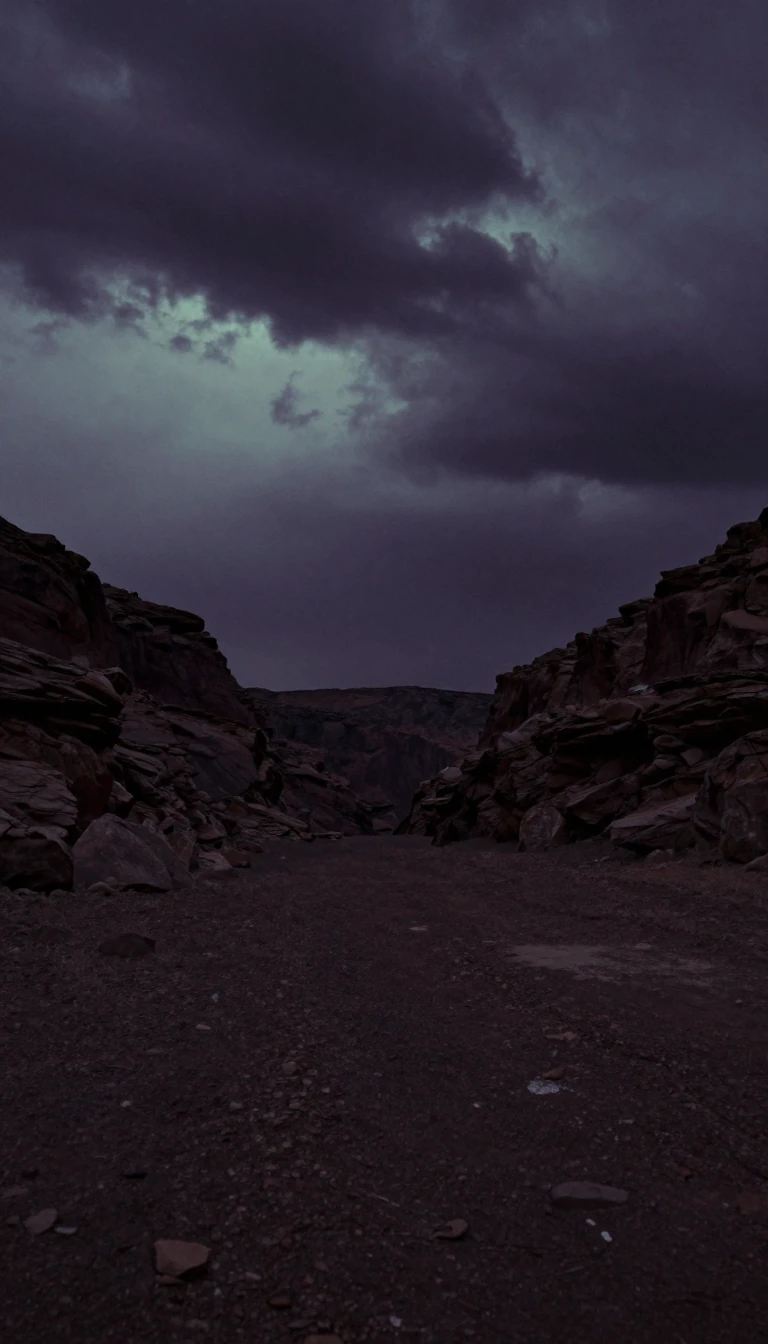
In short: In Islamic theology, Jahannam is far more than a simple pit of fire. It is a complex, multi-layered realm that coexists with our world. Described as having seven gates and vast, terrifying dimensions, it is a place where physical, psychological, and spiritual suffering are meticulously tailored to individual sins.
Jahannam, the Islamic concept of hell, is an essential pillar of the afterlife. While often depicted as a vast, subterranean abyss located beneath Paradise, its nature is subject to diverse interpretations. Some scholars suggest it possesses a form of sentience, capable of movement and speech, while others describe it as a colossal structure with seven distinct levels, each more severe than the last. The imagery is visceral: mountains, rivers of filth, and scorching winds define a landscape where the damned endure eternal torment, including the consumption of bitter plants like Ḍari and the fruit of the Zaqqum tree.
The scale of Jahannam is staggering in traditional accounts. One hadith claims a stone dropped into its depths would fall for 70 years, while another suggests the walls are so thick that traversing them takes 40 years of walking. Within these bounds, inhabitants are shackled in chains of 70 cubits, guarded by merciless angels wielding iron maces. The torment is not merely physical; it includes the profound psychological humiliation of being denied the sight of God and the regret of those who realize too late the consequences of their earthly actions.
The etymology of Jahannam links it to the Valley of Hinnom, a site of ancient child sacrifice, reflecting a long evolution of the concept from a localized place of infamy to a transcendental realm of judgment. While the Qur'an provides the foundational descriptions—referencing the 'Fire' 125 times—hadith literature elaborates on the mechanics of the afterlife. Scholars continue to debate whether this suffering is eternal or if divine mercy might eventually lead to its cessation. Regardless, the imagery serves as a stark counterpoint to the delights of Jannah, emphasizing the gravity of human choices and the finality of the Day of Judgment.
Opens the Intellect+ feed with this card first. Swipe up for the next one.
Sources
- Summary by Intellect · source: Jahannam
To cite this card, link to https://intellectplus.co.uk/app/ideas-jahannam.
How we source, check and correct cards: Editorial standards.
General information, not professional advice. Spotted an error? Flag the card or see corrections and complaints.
Intellect Plus is a visual educational discovery platform for exploring fascinating facts and ideas. Brain Food, Not Brain Rot. What is Intellect Plus?
Related
More in Mythology · More in Ideas & Philosophy · Latest · A–Z · All topics
