The World Serpent: Why Norse Mythology’s Greatest Monster Is Also Its Most Vital Anchor
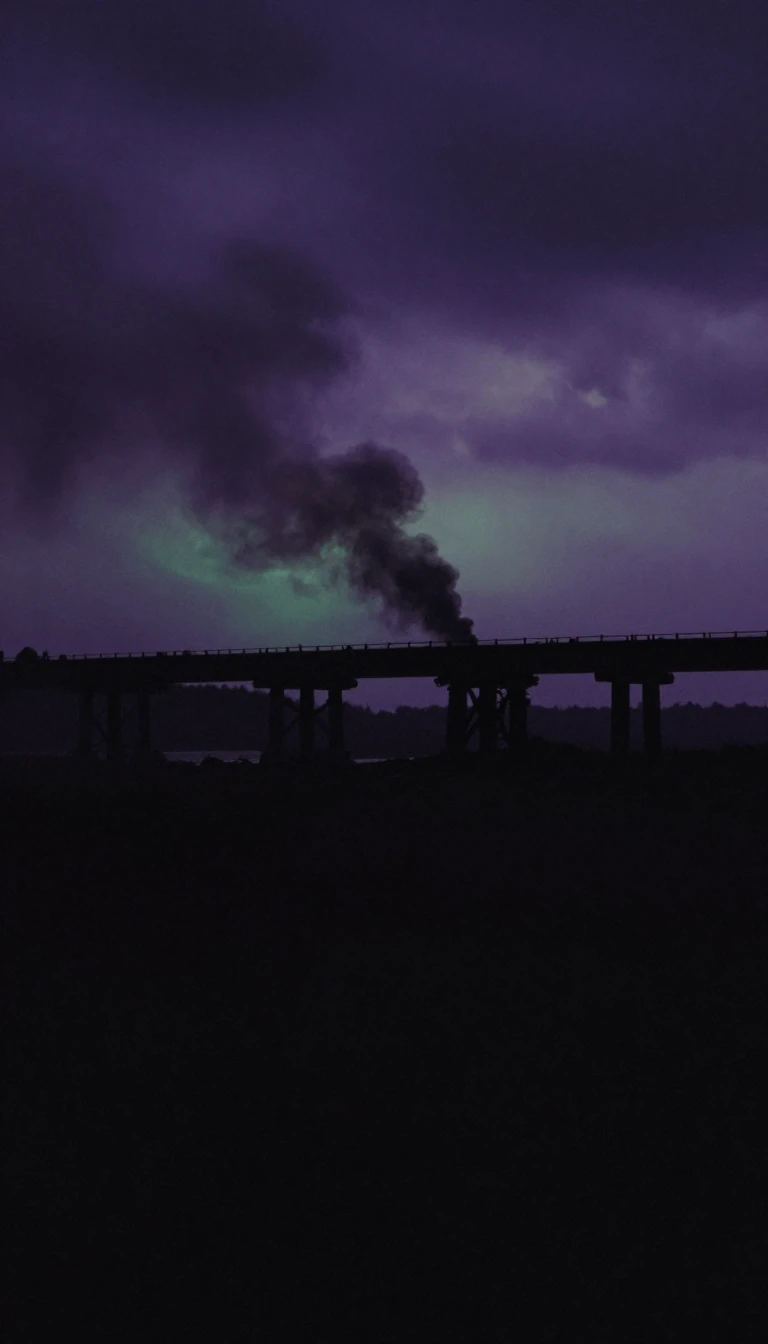
In short: Jörmungandr, the colossal serpent encircling Midgard, is more than a mere villain. As the middle child of Loki and Angrboða, this monstrous creature binds the world together by biting its own tail. His eventual release of that grip signals the beginning of Ragnarök, the cataclysmic end of the gods.
In Norse cosmology, Jörmungandr—or the World Serpent—is an entity of immense scale. Cast into the ocean by Odin, the serpent grew until he could coil around the Earth, grasping his tail to form a living ouroboros. This act of binding is central to the Norse understanding of cosmic order. Scholars like John Lindow suggest that Jörmungandr represents a recurring motif of the 'bound monster,' a dangerous force held in check until the inevitable arrival of Ragnarök. His name itself, derived from 'jǫrmun-' (vast) and 'gandr' (supernatural being), hints at his multifaceted nature as a world-spanning river, staff, or bind.
The serpent’s primary antagonist is Thor, the thunder god. Their rivalry is legendary, featuring in three distinct myths. In one, the giant Útgarða-Loki tricks Thor into attempting to lift a cat, which is actually the serpent in disguise; Thor’s failure to lift it entirely prevents a total upheaval of universal boundaries. In another, Thor attempts to fish the serpent from the sea using an ox head as bait. While the giant Hymir cuts the line in later versions, earlier skaldic poems suggest Thor successfully killed the beast during this encounter. These stories were so culturally significant that they appear on numerous image stones, such as the 8th to 10th-century Ardre VIII stone.
The final confrontation is destined to occur at Ragnarök. As the sea floods, Jörmungandr will emerge to join the sons of Muspell against the gods. Thor will slay the serpent, but the victory will be pyrrhic; after walking only nine paces, the god will succumb to the creature's lethal venom. This mythic combat has drawn comparisons to the Vedic god Indra’s battle with the dragon Vritra, highlighting a shared Indo-European motif of storm gods fighting serpentine chaos. Today, the legacy of the World Serpent persists, from the naming of asteroid 471926 Jörmungandr in 2018 to his prominent role in modern digital media.
Opens the Intellect+ feed with this card first. Swipe up for the next one.
Sources
- Summary by Intellect · source: Jörmungandr
To cite this card, link to https://intellectplus.co.uk/app/ideas-j-rmungandr.
How we source, check and correct cards: Editorial standards.
General information, not professional advice. Spotted an error? Flag the card or see corrections and complaints.
Intellect Plus is a visual educational discovery platform for exploring fascinating facts and ideas. Brain Food, Not Brain Rot. What is Intellect Plus?
Related
More in Mythology · More in Ideas & Philosophy · Latest · A–Z · All topics
