The Thracian goddess whose nocturnal rites scandalized the ancient world with wild abandon
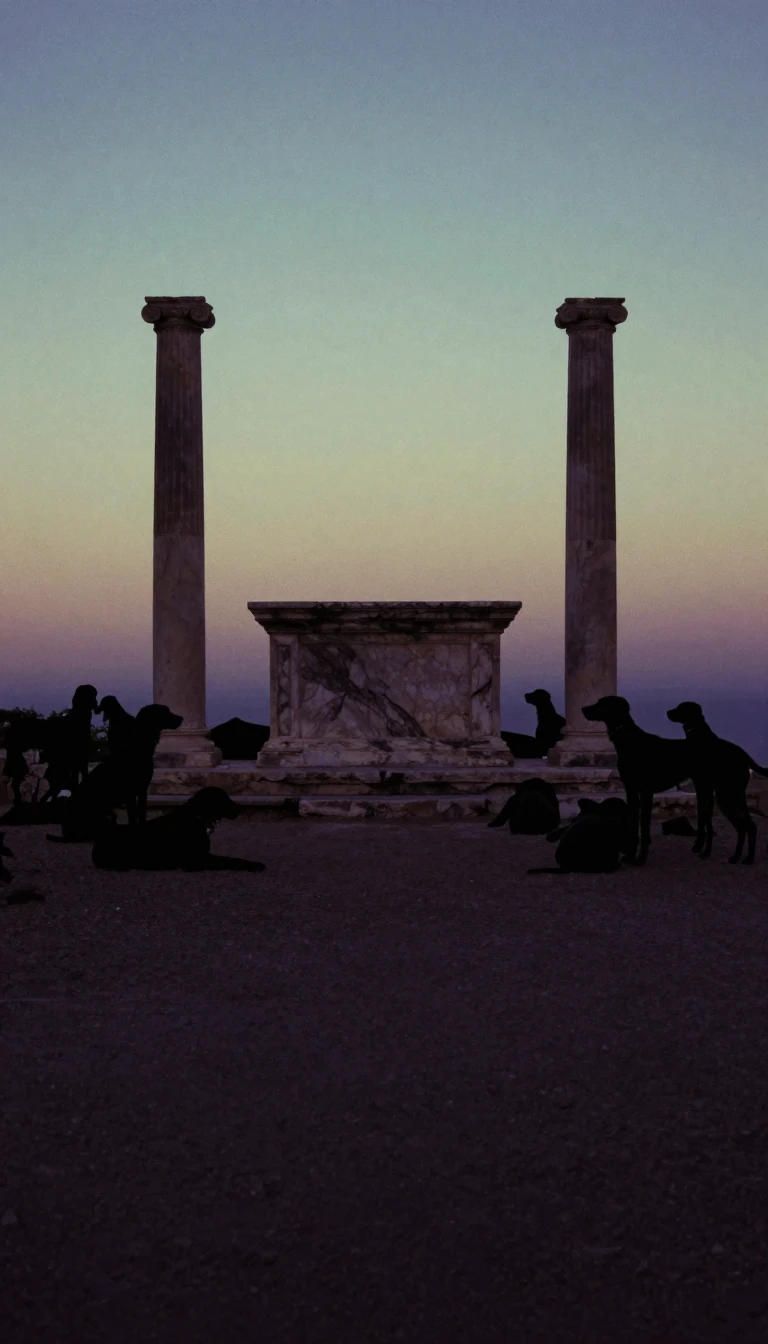
In short: Kotys, a mysterious Thracian deity, commanded a cult defined by riotous, midnight celebrations. Often linked to the Phrygian Cybele, her worship involved elaborate purification rituals and was famously associated with licentious behavior. From the hills of Thrace to the cities of Corinth and Athens, her influence sparked both fascination and intense public scandal.
The worship of Kotys, also known as Kotytto, emerged from the Thracian tradition, particularly among the Edones. Her name is linguistically linked to the concept of war and slaughter, sharing roots with the Old Norse figure Höðr. While later Thracian relief sculptures depict her as a huntress-goddess reminiscent of Artemis, literary sources consistently align her with the Great Mother of the Gods, Cybele. This association highlights her role as a figure of intense, often chaotic, religious fervor.
By approximately 425 BC, the cult of Kotys had gained a public foothold in Corinth and was practiced privately in Athens. Central to her worship were the Cotyttia, nocturnal festivals characterized by insobriety and what contemporaries described as obscene behavior. Participants, known as baptes or 'bathers,' underwent an elaborate baptismal purification ceremony before engaging in the rites. These practices were so controversial that the playwright Eupolis wrote a work titled Baptae, which satirized prominent figures of the era for allegedly participating in cross-dressing and perverse acts during their devotion to the goddess.
The cult's reach extended into Dorian Sicily and Italy, leaving a lasting mark on the cultural imagination. Beyond the ancient world, Kotys has persisted as a symbol of dark, mysterious power. John Milton invoked her in his work Comus as a 'dark-veiled goddess,' while Algernon Charles Swinburne later explored her orgiastic nature in his poetry. Even in modern literature, such as Aleister Crowley’s short story The Stone of Cybele, the name Kotys evokes a sense of ancient, untamed ritual. Whether viewed as an aspect of Persephone or a distinct Thracian deity, Kotys remains a compelling example of how ancient cults challenged the social norms of their time through radical, nocturnal expressions of faith.
Opens the Intellect+ feed with this card first. Swipe up for the next one.
Sources
- Summary by Intellect · source: Kotys
To cite this card, link to https://intellectplus.co.uk/app/ideas-kotys.
How we source, check and correct cards: Editorial standards.
General information, not professional advice. Spotted an error? Flag the card or see corrections and complaints.
Intellect Plus is a visual educational discovery platform for exploring fascinating facts and ideas. Brain Food, Not Brain Rot. What is Intellect Plus?
Related
More in Greek mythology · More in Ideas & Philosophy · Latest · A–Z · All topics
