Did ancient philosophers hide their true teachings to survive and educate the elite?
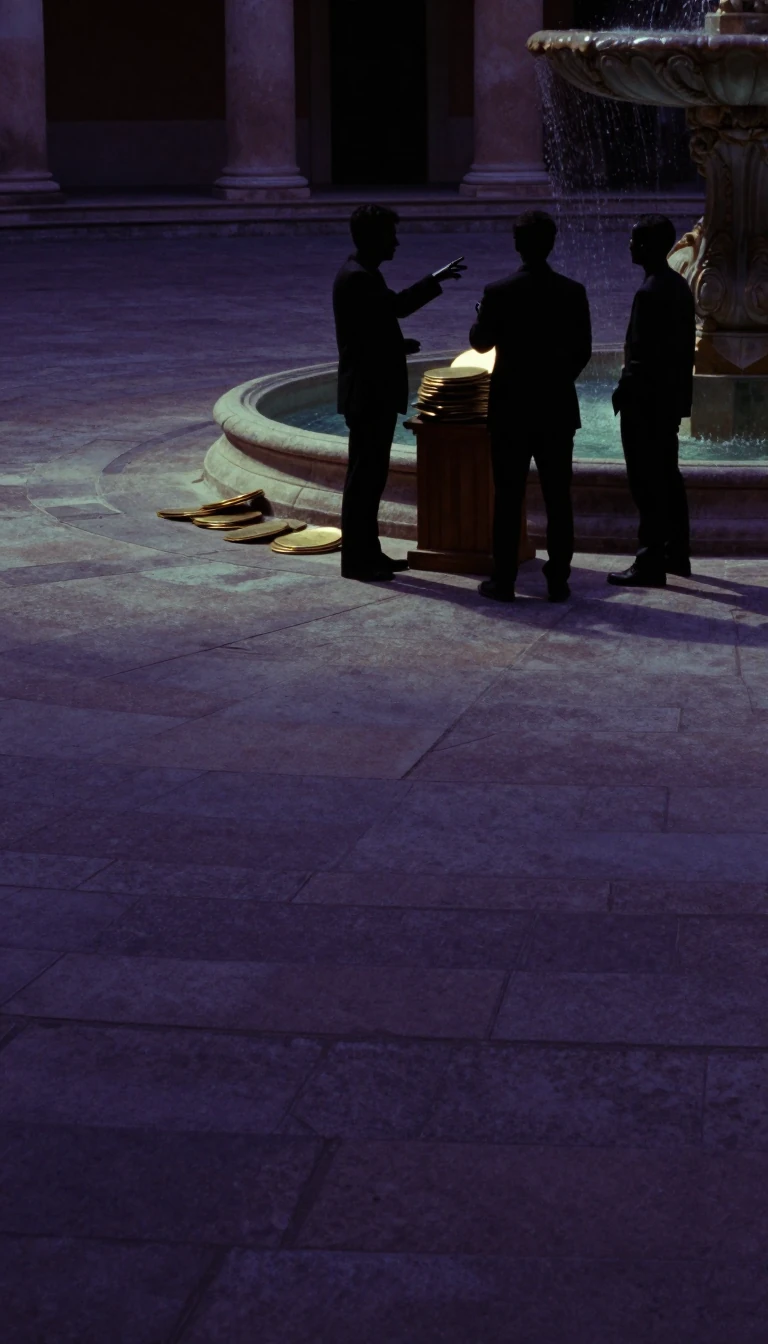
In short: Leo Strauss argued that great thinkers often wrote esoterically, burying radical ideas beneath conventional language. By doing so, they protected themselves from persecution while ensuring their deepest insights remained accessible only to those capable of independent reasoning. This approach, he believed, was a necessary response to the crisis of modernity.
Leo Strauss, a German-American philosopher who taught at the University of Chicago from 1949 to 1969, fundamentally challenged modern political thought. He argued that the shift in philosophy beginning with Niccolò Machiavelli marked a disastrous break from classical traditions. Strauss believed this modern turn led to a crisis of nihilism, relativism, and historicism, where social sciences reduced human beings to objects of calculation rather than exploring the essential questions of morality and justice.
To address this, Strauss advocated for a return to the political philosophy of ancient Greeks and medieval thinkers. Central to his method was the concept of 'the art of writing.' He proposed that philosophers like Maimonides and Al-Farabi used esoteric communication—layering meanings within irony, paradox, and self-contradiction—to navigate the dangers of their time. This was not merely about hiding from the masses, but about protecting philosophy from those who claimed to be the righteous guardians of morality, while simultaneously provoking the right kind of reader to think for themselves.
Strauss’s work was deeply influenced by his engagement with the tension between reason and revelation, often framed as the dialogue between Athens and Jerusalem. He famously rejected the modern fact-value distinction, viewing it as a self-deluded attempt to study politics from a value-free distance. Instead, he insisted that political philosophy must grapple with the eternal problems of human nature. While his interpretations of texts and the political influence of his students remain subjects of academic debate, his 'Straussian' approach continues to emphasize the pedagogical value of close textual reading as a corrective to the perceived aimlessness of contemporary liberal societies.
Opens the Intellect+ feed with this card first. Swipe up for the next one.
Sources
- Summary by Intellect · source: Leo Strauss
To cite this card, link to https://intellectplus.co.uk/app/ideas-leo-strauss.
How we source, check and correct cards: Editorial standards.
General information, not professional advice. Spotted an error? Flag the card or see corrections and complaints.
Intellect Plus is a visual educational discovery platform for exploring fascinating facts and ideas. Brain Food, Not Brain Rot. What is Intellect Plus?
Related
More in Philosophers · More in Ideas & Philosophy · Latest · A–Z · All topics
