Why Lois Lowry’s most celebrated dystopian novel remains a lightning rod for school boards
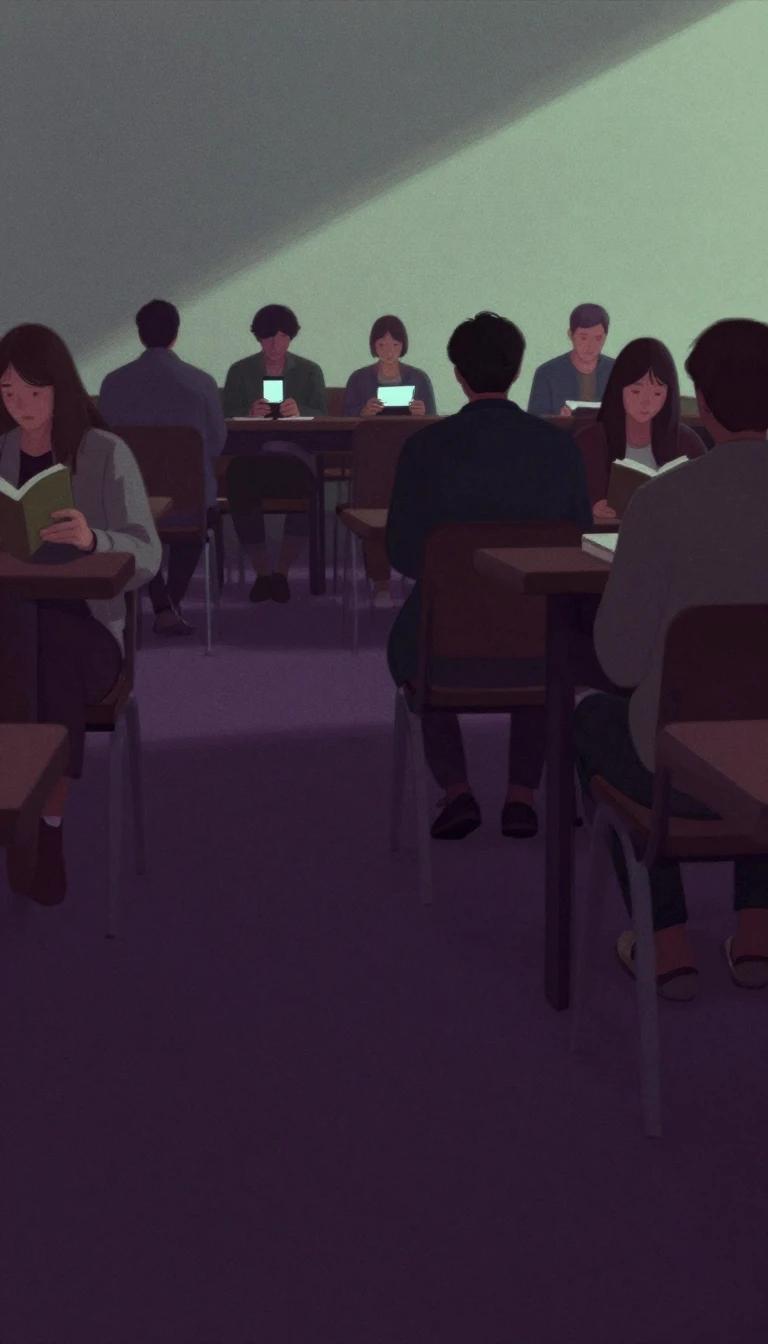
In short: Lois Lowry transformed children’s literature by introducing themes of political oppression and euthanasia to young readers. Her masterpiece, The Giver, has sold over 12 million copies, yet it remains one of the most frequently challenged books in American schools, sparking a decades-long debate over what children should be allowed to read.
Lois Lowry, born in 1937, did not begin her career as a novelist until she was 40 years old. Encouraged by an editor to write for children, she drew upon her own life experiences—such as the loss of her sister to cancer and her father’s deployment during World War II—to craft stories that refused to shy away from difficult realities. Her most autobiographical work, Autumn Street (1980), explores grief and racism, while her broader body of work consistently emphasizes the importance of human connection.
The publication of The Giver in 1993 marked a turning point in young adult fiction. By addressing topics like suicide, murder, and state-sanctioned euthanasia, Lowry effectively invented the contemporary dystopian novel for young readers. Critics and educators have praised the work for its subtle complexity and use of metaphor, with the New York Times describing the quartet as a guide for teaching children how to be good people. However, this same intensity shocked many, leading to its status as a perennial fixture on banned book lists.
Lowry views these challenges with profound sadness, arguing that the restriction of literature endangers the world of the imagination. Despite the controversy, her influence remains immense; she has received two Newbery Medals and was a finalist for the Hans Christian Andersen Award. Her upcoming work, Building 903, continues her exploration of this theme, specifically examining how the loss of literature can lead to a broader erosion of the human capacity to imagine.
Throughout her career, Lowry has maintained that children are capable of engaging with complex issues. By treating her young audience as sophisticated thinkers, she has created a legacy that transcends the classroom. Whether through her Giver Quartet or her poetry, Lowry’s writing serves as a persistent challenge to the status quo, demanding that readers—both young and old—confront the fragile nature of the world they inhabit.
Opens the Intellect+ feed with this card first. Swipe up for the next one.
Sources
- Summary by Intellect · source: Lois Lowry
To cite this card, link to https://intellectplus.co.uk/app/ideas-lois-lowry.
How we source, check and correct cards: Editorial standards.
General information, not professional advice. Spotted an error? Flag the card or see corrections and complaints.
Intellect Plus is a visual educational discovery platform for exploring fascinating facts and ideas. Brain Food, Not Brain Rot. What is Intellect Plus?
Related
More in Writers · More in Ideas & Philosophy · Latest · A–Z · All topics
