Lord Dunsany: The Aristocratic Fantasy Pioneer Who Wrote Entire Books Without Ever Editing
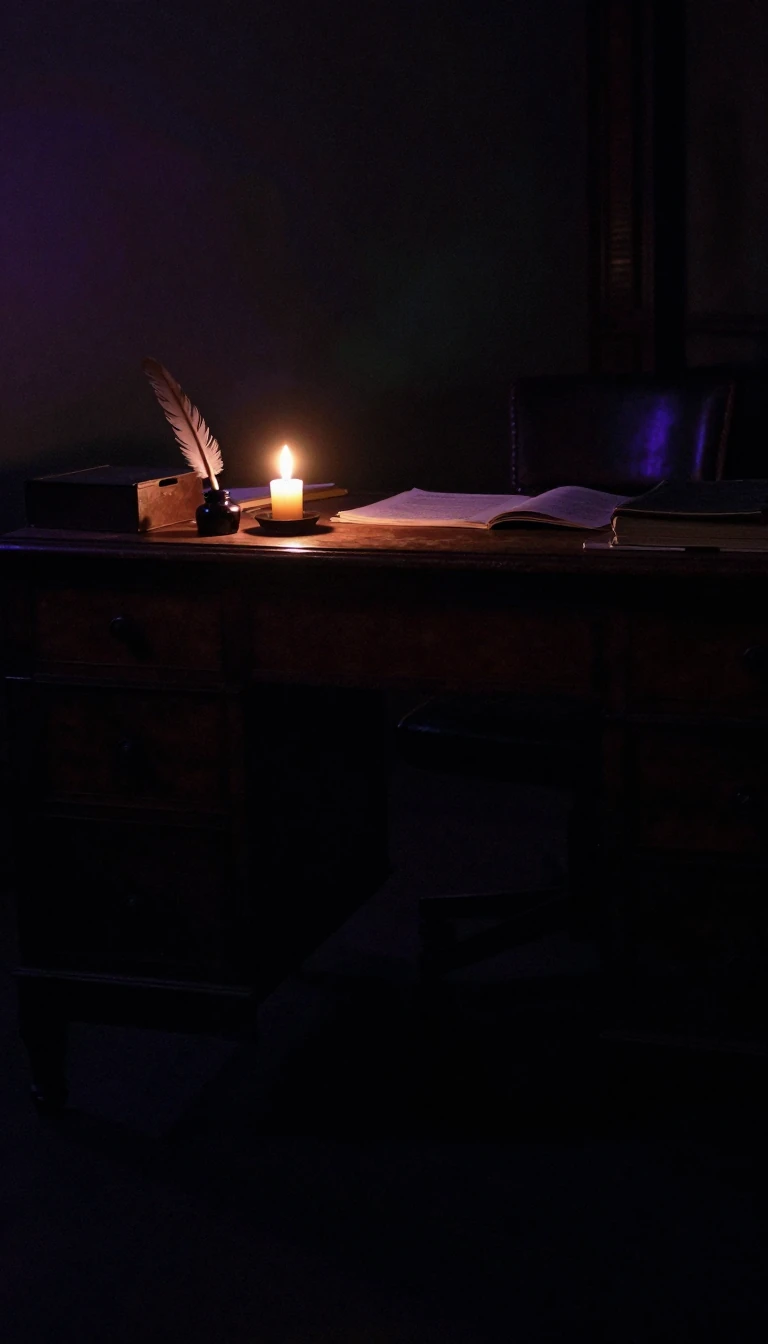
In short: Lord Dunsany was a towering figure of the Irish Literary Revival, a chess master, and a soldier who laid the groundwork for modern fantasy. Remarkably, he produced over 90 books in his lifetime, often writing every single word as a first draft while sitting on a crumpled, ancient hat.
Born in 1878 into one of Ireland's oldest peerages, Edward John Moreton Drax Plunkett, the 18th Baron Dunsany, lived a life as fantastical as his prose. Standing 1.93 metres tall, he was a man of diverse talents: a pistol-shooting champion, a dedicated hunter, and an inventor of an asymmetrical chess variant. His literary career began in the late 1890s, but he gained international prominence in the 1910s. His early works, such as the 1905 collection The Gods of Pegāna, created entire mythologies and pantheons, influencing the trajectory of the fantasy genre long before it was recognized as a distinct category.
Dunsany’s creative process was notoriously idiosyncratic. He rarely revised his work, viewing his first drafts as final. His wife, Lady Beatrice, acted as his primary editor and typist, managing his literary legacy until her death in 1970. His output was vast and varied, shifting from the high-fantasy style of his early years to the self-conscious, sometimes parodic tone of 1912’s The Book of Wonder. By the 1920s, he had pivoted toward plays, achieving such success that he once had five productions running simultaneously in New York. His 1924 novel, The King of Elfland's Daughter, remains his most enduring contribution to the genre.
Beyond his fiction, Dunsany was deeply embedded in the social and political currents of his time. He served in the Second Boer War and the First World War, and was even wounded during the 1916 Easter Rising. His later life saw him appointed as the Byron Professor of English in Athens in 1940, a tenure cut short by the German invasion. Throughout his life, he maintained friendships with literary giants like W. B. Yeats and Rudyard Kipling, while his work earned the admiration of Jorge Luis Borges, who noted thematic parallels between Dunsany’s short stories and the later novels of Franz Kafka.
Dunsany died in 1957 from appendicitis while visiting Ireland, leaving behind a legacy that continues to grow, with over 120 books issued by 2017. His life, marked by both the grandeur of Dunsany Castle and the trenches of war, reflects a singular imagination that refused to be confined by genre, medium, or the conventional rules of authorship.
Opens the Intellect+ feed with this card first. Swipe up for the next one.
Sources
- Summary by Intellect · source: Lord Dunsany
To cite this card, link to https://intellectplus.co.uk/app/ideas-lord-dunsany.
How we source, check and correct cards: Editorial standards.
General information, not professional advice. Spotted an error? Flag the card or see corrections and complaints.
Intellect Plus is a visual educational discovery platform for exploring fascinating facts and ideas. Brain Food, Not Brain Rot. What is Intellect Plus?
Related
More in Writers · More in Ideas & Philosophy · Latest · A–Z · All topics
