How a Byzantine monk bridged the gap between the ancient world and the Renaissance
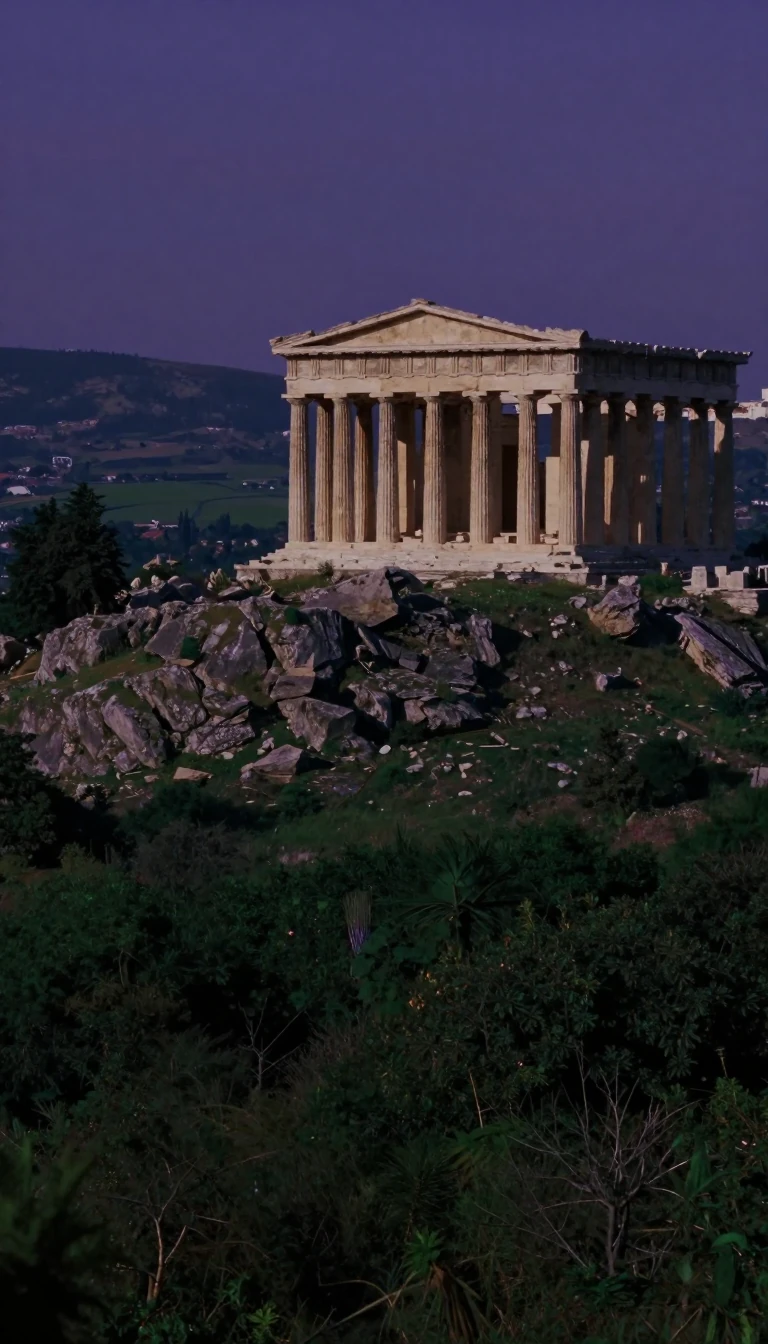
In short: Maximus Planudes was a scholar who lived as the Byzantine Empire crumbled, yet his work preserved the intellectual foundations of the West. By translating Latin classics into Greek and rediscovering lost scientific texts, he acted as a vital conduit, connecting the medieval East to the burgeoning humanism of the Renaissance.
Born in Nicomedia around 1260, the scholar originally named Manuel became a monk in Constantinople, adopting the name Maximus. He lived during the reigns of emperors Michael VIII and Andronikos II, a period when the Byzantine state was struggling against internal decay and external pressures. Despite these tensions, Planudes became a rare polymath, mastering both Greek and Latin at a time when the two cultures were often hostile toward one another. His linguistic expertise was so significant that he served as an ambassador for Andronikos II in 1295–96, tasked with negotiating with the Venetians over the Genoese settlement in Galata.
Planudes is perhaps most famous for his editorial work on the Greek Anthology, a collection of epigrams that remains a cornerstone of classical studies. However, his contributions extended far beyond literature. He was instrumental in the rediscovery of Claudius Ptolemy’s Geography, a monumental work that had vanished for centuries. Through his efforts, he brought this ancient map of the world back into circulation, an achievement he celebrated in a surviving hexameter poem. His intellectual reach was vast, spanning mathematics—where he is credited as one of the first to use the word "million"—and the translation of major works by Cicero, Ovid, Boethius, and Augustine.
His translations were not merely academic exercises; they served as essential textbooks for Western Europeans studying the Greek language, effectively paving the way for the Renaissance. While some historical attributions, such as his supposed translation of Caesar’s De Bello Gallico, have been proven incorrect, his actual output remains staggering. He authored treatises on syntax, grammar, and even a biography of Aesop. By the time of his death around 1305, Planudes had ensured that the wisdom of the ancient world would not be lost, acting as a bridge between the fading glory of Byzantium and the rising intellectual curiosity of the modern era.
Opens the Intellect+ feed with this card first. Swipe up for the next one.
Sources
- Summary by Intellect · source: Maximus Planudes
To cite this card, link to https://intellectplus.co.uk/app/ideas-maximus-planudes.
How we source, check and correct cards: Editorial standards.
General information, not professional advice. Spotted an error? Flag the card or see corrections and complaints.
Intellect Plus is a visual educational discovery platform for exploring fascinating facts and ideas. Brain Food, Not Brain Rot. What is Intellect Plus?
Related
More in Philosophers · More in Ideas & Philosophy · Latest · A–Z · All topics
