How a rowdy annual fair transformed into London’s most exclusive, high-stakes real estate district
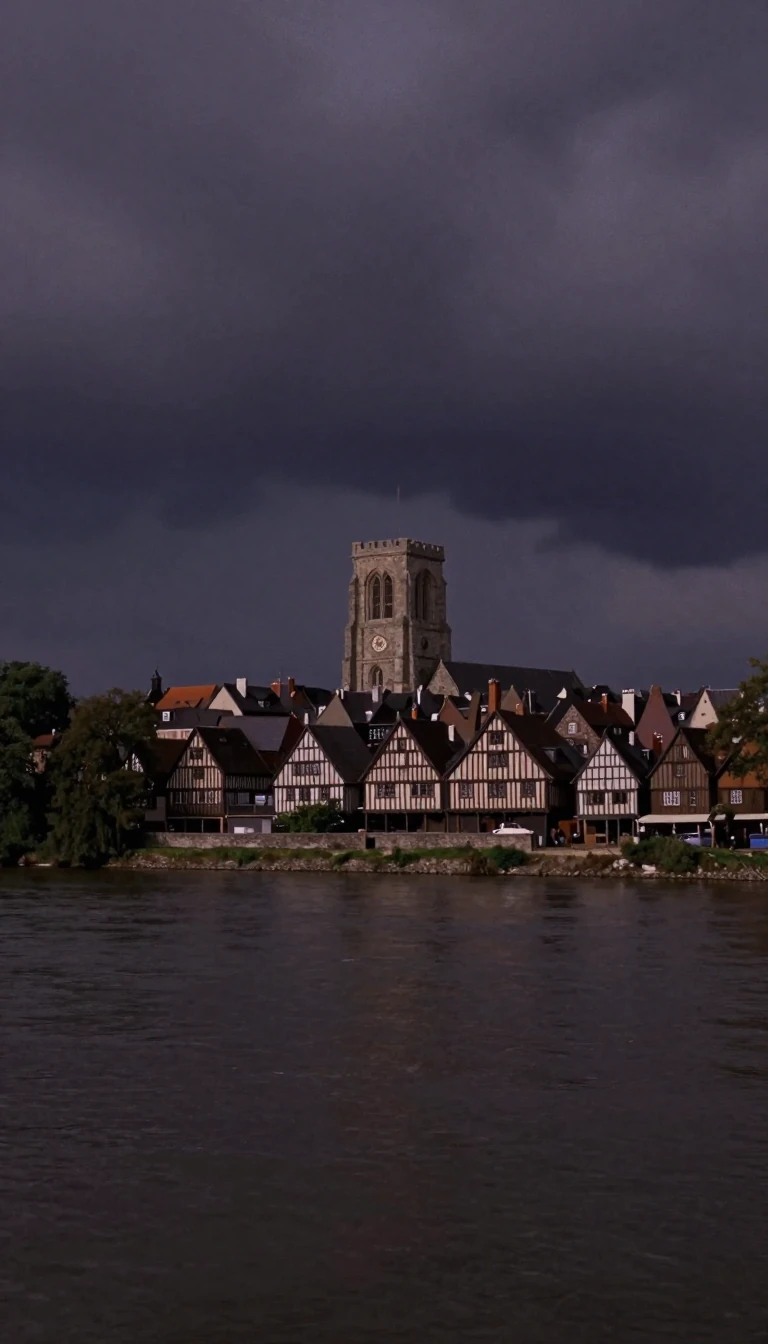
In short: Mayfair began as a chaotic, disreputable festival featuring bare-knuckle fighting and semolina-eating contests. After residents successfully campaigned to abolish the nuisance in 1764, the area pivoted toward elite development. Today, it stands as a global symbol of wealth, luxury, and the enduring legacy of the aristocratic Grosvenor family.
The district’s transformation from rural manor to global financial hub is rooted in the 17th-century May Fair. Originally held in open fields, the event grew into a public scandal, attracting showmen and jugglers until the 6th Earl of Coventry led a successful movement to shut it down. This closure allowed the Grosvenor family, who had acquired the land through a 1677 marriage, to reshape the neighborhood into a grid of wide, straight streets designed by Thomas Barlow. By the mid-18th century, the area had become a premier residential enclave for the British aristocracy.
The 19th and early 20th centuries marked the peak of Mayfair’s aristocratic influence. By the late 1800s, the Grosvenor family had become one of Europe's wealthiest dynasties, collecting annual rents from their properties that would be worth over £18 million in 2024. However, the decline of the British upper class following World War I forced a shift. Grand mansions were increasingly converted into corporate offices and foreign embassies, while the Blitz destroyed several historic homes. Despite these pressures, the district maintained its prestige, eventually attracting a new wave of international investment, including significant property holdings by the Qatari ruling family.
Today, Mayfair is defined by its blend of historical preservation and high-end commerce. While it remains one of the world's most expensive residential areas, it is also a center for luxury hotels, art galleries, and auction houses like Sotheby’s and Christie’s. The district’s evolution is perhaps best captured by the Grosvenor family’s continued ownership of their original estate, even as the neighborhood has adapted to modern security needs and global capital. From the site of the first British telephone call at Brown’s Hotel to the former US Embassy on Grosvenor Square, Mayfair remains a living record of London’s shifting power structures.
Opens the Intellect+ feed with this card first. Swipe up for the next one.
Sources
- Summary by Intellect · source: Mayfair
To cite this card, link to https://intellectplus.co.uk/app/ideas-mayfair.
How we source, check and correct cards: Editorial standards.
General information, not professional advice. Spotted an error? Flag the card or see corrections and complaints.
Intellect Plus is a visual educational discovery platform for exploring fascinating facts and ideas. Brain Food, Not Brain Rot. What is Intellect Plus?
Related
More in Philosophers · More in Ideas & Philosophy · Latest · A–Z · All topics
