Are your thoughts just biological machinery, or is there something more to the mind?
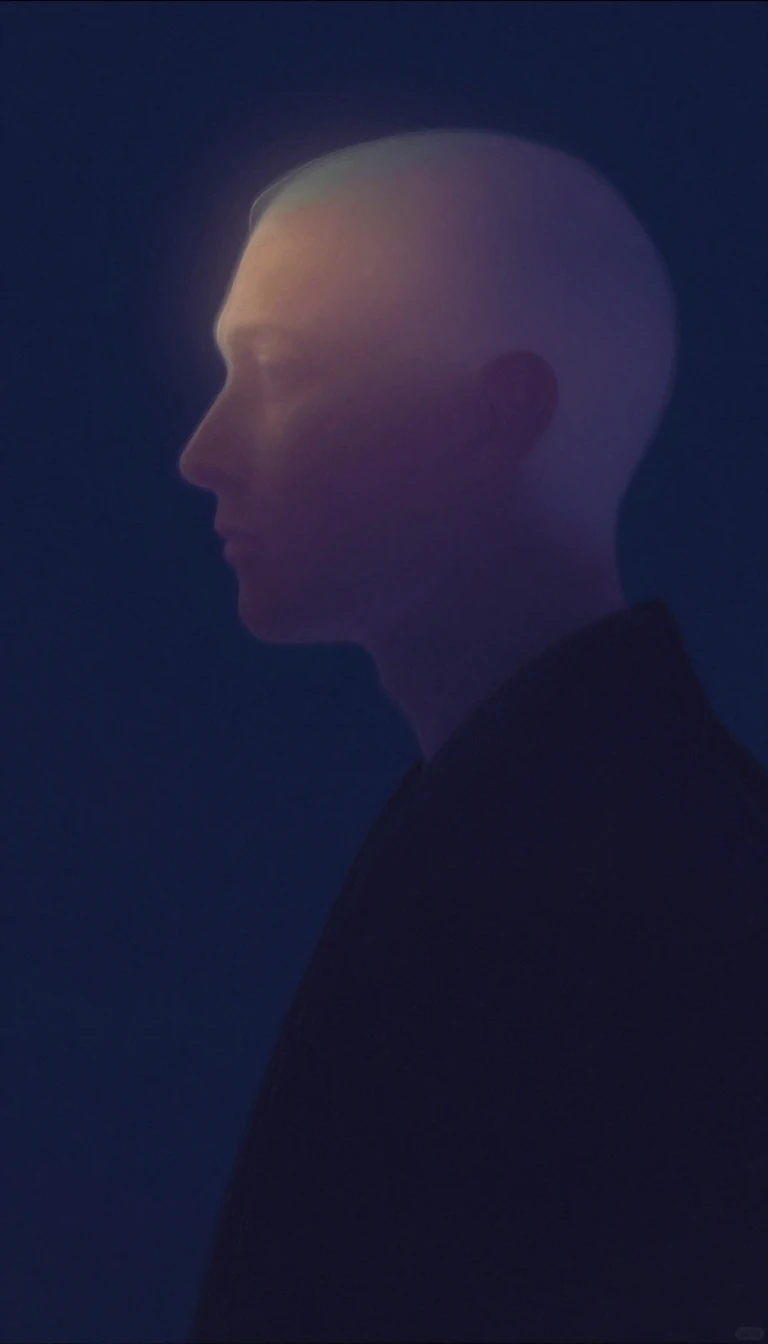
In short: The mind-body problem asks how our private, subjective experiences relate to our physical brains. If the mind is separate from the body, how do they interact? If they are the same, how can mere matter produce the feeling of consciousness? This ancient puzzle remains a central challenge for modern science.
The modern mind-body debate was largely shaped by René Descartes in the 17th century. Descartes proposed a form of dualism, arguing that the mind and the material world are two fundamentally distinct substances. For Descartes, a substance is defined by its ability to exist independently. He viewed the mind as an unextended, thinking entity, while the body was a spatially extended, mechanical one. This created an immediate dilemma: if the mind and body are radically different, how can they causally interact to produce voluntary movement?
This tension between mental and physical realms persists today. Dualism faces the problem of causal interaction, while physicalism—the view that everything is ultimately physical—struggles with the problem of consciousness. Critics argue that consciousness feels fundamentally different from other physical phenomena, making it difficult to explain through biology or physics alone. While some neuroscientists suggest consciousness will eventually be understood through molecular signaling pathways in nerve cells, others maintain that this 'hard problem' of relating subjective experience to brain activity remains unsolved.
Philosophical approaches have evolved to address these gaps. Beyond simple substance dualism, thinkers distinguish between substance and property dualism, or explore reductive physicalism, which attempts to identify mental entities with physical ones or explain psychology through lower-level sciences. Despite centuries of debate, the question of whether the mind is a separate entity or simply a feature of our physical makeup continues to influence fields ranging from artificial intelligence to cognitive science, as we still lack a consensus on how mental states exert causal influence on our behavior.
Opens the Intellect+ feed with this card first. Swipe up for the next one.
Sources
- Summary by Intellect · source: The Mind-Body Problem — OECS
- Also: Mind–body problem
To cite this card, link to https://intellectplus.co.uk/app/ideas-mind-body-problem.
How we source, check and correct cards: Editorial standards.
General information, not professional advice. Spotted an error? Flag the card or see corrections and complaints.
Intellect Plus is a visual educational discovery platform for exploring fascinating facts and ideas. Brain Food, Not Brain Rot. What is Intellect Plus?
Related
More in Philosophy · More in Ideas & Philosophy · Latest · A–Z · All topics
