Did a hairy giant with a giant axe really chisel the world into existence?
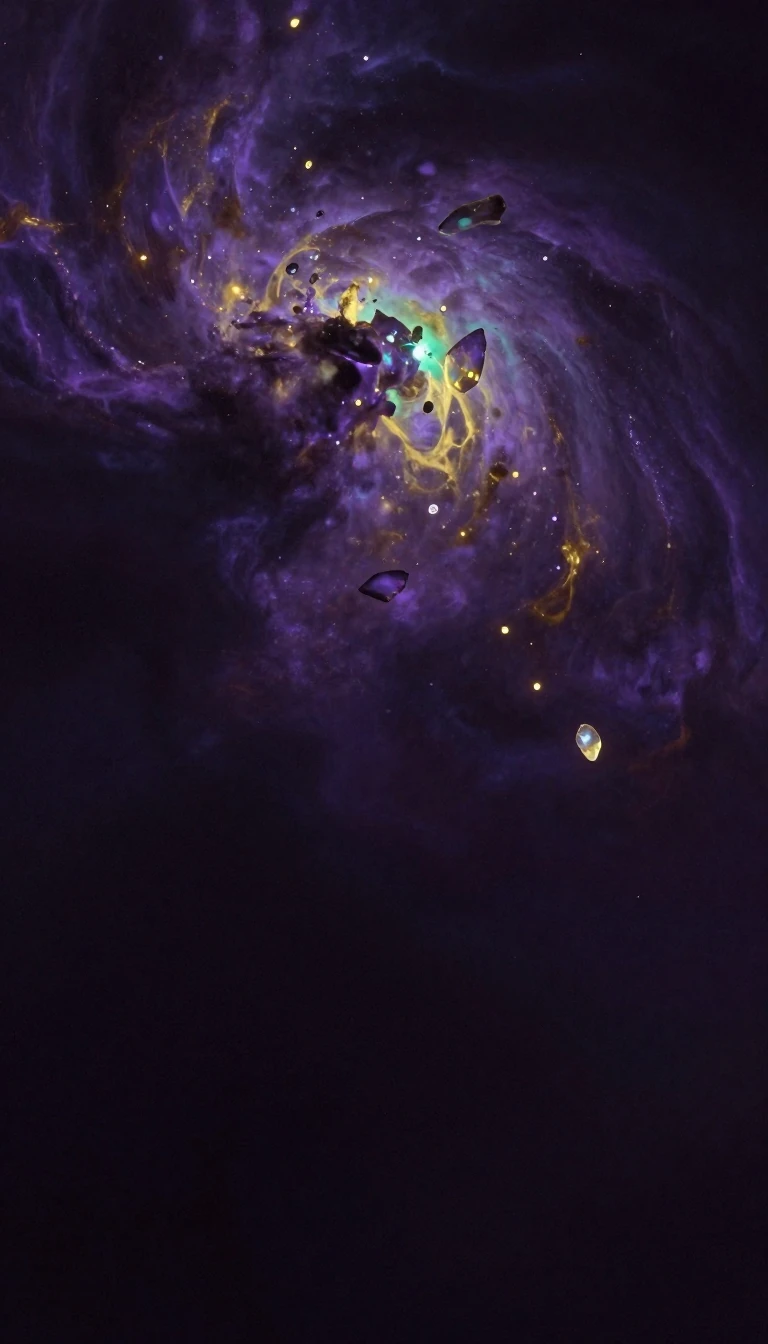
In short: In Chinese mythology, the universe began as a cosmic egg, from which Pangu emerged to separate heaven and earth. This primordial giant, often depicted with horns, spent eons pushing the sky away from the earth. When he finally died, his body parts supposedly transformed into the mountains, rivers, and stars.
The legend of Pangu, a primordial being who shaped the world, is a cornerstone of Chinese mythology and Taoist tradition. According to the most common narrative, Pangu spent 18,000 years inside a cosmic egg before waking up. Using a giant axe, he cleaved the formless chaos into two distinct realms: the murky earth and the clear sky. To prevent them from reuniting, he stood between them, growing ten feet taller every day while the sky and earth drifted apart by the same distance.
The myth’s origins are complex and debated. While the earliest written record is credited to Xu Zheng during the Three Kingdoms period (220–265 AD), the name appears in tombs dating even earlier. Some scholars, like Wei Juxian, suggest the story evolved from ancient Zhou dynasty accounts, such as the disconnection of heaven and earth mentioned during the reign of King Mu (c. 1001–946 BC). Others, including Paul Carus, have drawn parallels between Pangu and the Babylonian Tiamat or the Norse giant Ymir, noting that all these figures share the motif of a body transforming into the physical world upon death.
Beyond the cosmic creation story, Pangu appears in diverse regional folklore. For the Buyei people, he is an expert rice farmer who married the daughter of the Dragon King, a union celebrated annually on the sixth day of the sixth lunar month. These variations highlight how the figure of Pangu has been adapted across different ethnic groups and eras. Whether viewed as an aboriginal abyss or a cultural hero, Pangu remains a vital, if sometimes contested, symbol in Chinese thought, even lending his name to the ancient supercontinent, Pangaea.
Opens the Intellect+ feed with this card first. Swipe up for the next one.
Sources
- Summary by Intellect · source: Pangu
To cite this card, link to https://intellectplus.co.uk/app/ideas-pangu.
How we source, check and correct cards: Editorial standards.
General information, not professional advice. Spotted an error? Flag the card or see corrections and complaints.
Intellect Plus is a visual educational discovery platform for exploring fascinating facts and ideas. Brain Food, Not Brain Rot. What is Intellect Plus?
Related
More in Mythology · More in Ideas & Philosophy · Latest · A–Z · All topics
