Philo of Larissa was the final leader of Plato's original Academy in Athens.
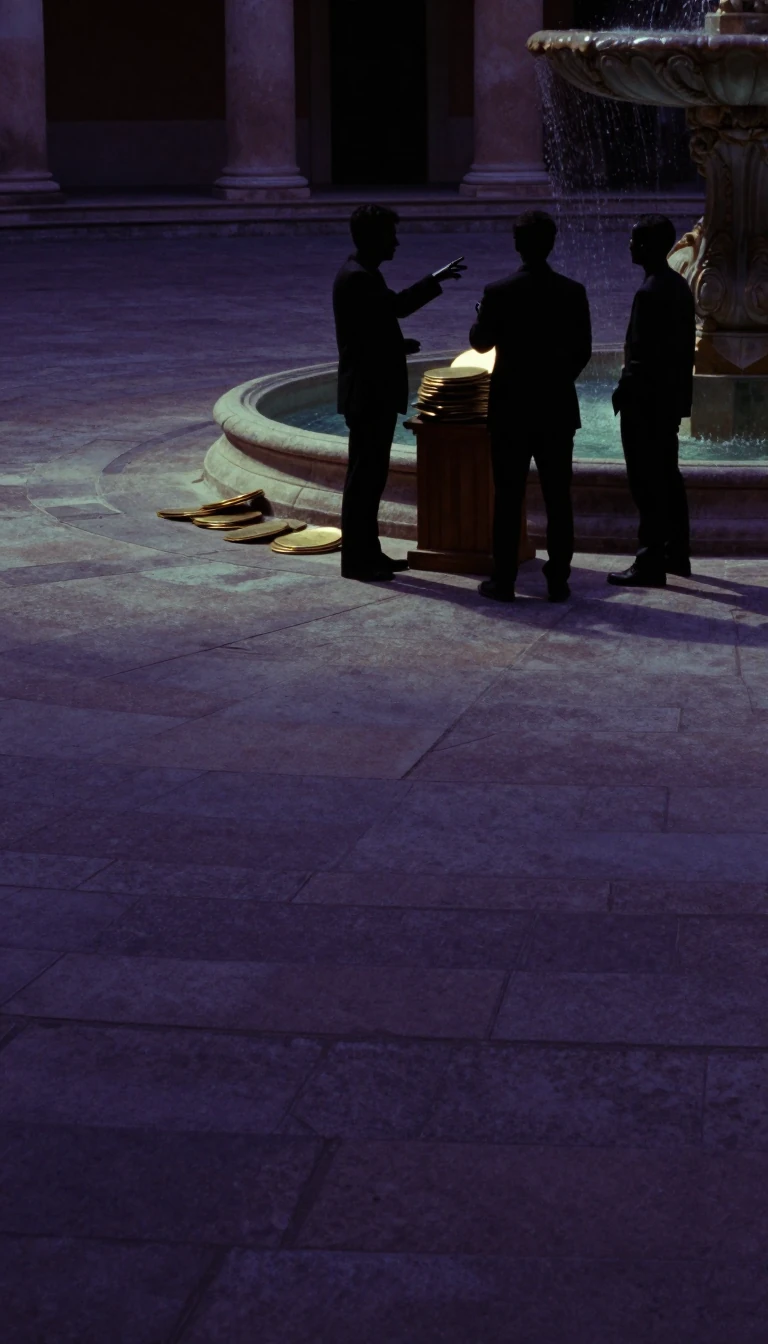
In short: As the last undisputed head of the Academy, Philo of Larissa navigated a turbulent era of war and philosophical transition. Though none of his own writings survived, his moderate approach to skepticism and his influence on students like Cicero left a lasting mark on the evolution of ancient Greek thought.
Born in Larissa in 154/3 BC, Philo eventually moved to Athens, where he studied under Clitomachus. By 110–109 BC, he succeeded his teacher as the head of the Third or New Academy. His tenure coincided with the Mithridatic Wars, a period of significant upheaval that ultimately led to the destruction of the Academy itself. In 88 BC, Philo fled Athens for Rome, where he lectured on rhetoric and philosophy to an audience that included the future statesman Cicero.
Philo is remembered for shifting away from the strict skepticism of his predecessors, Carneades and Clitomachus. While he remained an Academic skeptic, he introduced a more moderate framework that allowed for provisional beliefs, even in the absence of absolute certainty. He argued that while objects might not be fully comprehended through conceptive notions, they remained comprehensible according to their nature. This nuanced position sought to bridge the gap between the radical doubt of the New Academy and the dogmatism associated with Plato.
His intellectual legacy is complicated by his relationship with his student, Antiochus of Ascalon. While Philo rejected the idea of a formal separation between the Old and New Academies—arguing that skepticism was present even in Socrates and Plato—Antiochus became his primary adversary, eventually pushing for a return to dogmatic Platonism. After Philo’s death in 84/3 BC, the Academy fractured into competing factions and effectively ceased to function as a unified institution until the later Neoplatonist revival.
Because none of Philo’s original works are extant, modern understanding of his philosophy relies on the accounts of later writers such as Cicero, Sextus Empiricus, and Numenius. These sources reveal a thinker who felt the need to subject his own provisional convictions to the constant, rigorous examination of skepticism. His life marks the end of an era, serving as the final link in the direct, unbroken succession of scholarchs tracing back to Plato himself.
Opens the Intellect+ feed with this card first. Swipe up for the next one.
Sources
- Summary by Intellect · source: Philo of Larissa
- Also: www.britannica.com — Philo of Larissa | Greek philosopher | Britannica
To cite this card, link to https://intellectplus.co.uk/app/ideas-philo-of-larissa.
How we source, check and correct cards: Editorial standards.
General information, not professional advice. Spotted an error? Flag the card or see corrections and complaints.
Intellect Plus is a visual educational discovery platform for exploring fascinating facts and ideas. Brain Food, Not Brain Rot. What is Intellect Plus?
Related
More in Philosophers · More in Ideas & Philosophy · Latest · A–Z · All topics
