Did a 14th-century diplomat accidentally invent the future of Western musical notation?
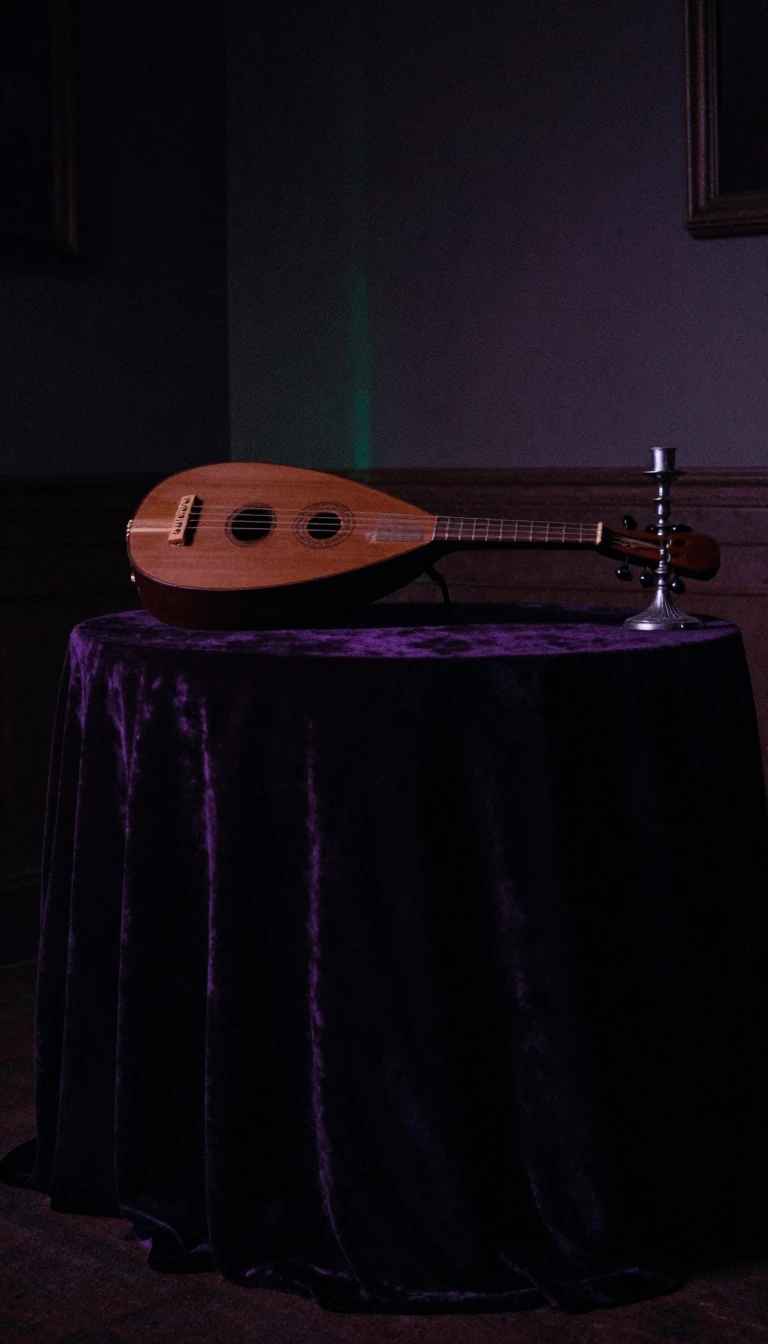
In short: Philippe de Vitry was a French prelate and advisor to kings, but his true legacy lies in the Ars nova. This revolutionary treatise introduced complex rhythmic symbols that unlocked centuries of musical freedom. Though much of his work is lost, his influence on Western composition remains profound and debated.
Philippe de Vitry, born in 1291, was a towering figure of the 14th century. A polymath who served as a diplomat, soldier, and advisor to French monarchs including Charles IV, Philip VI, and John II, he moved in the most elite circles of his day. His intellectual stature was such that the Italian scholar Petrarch hailed him as the unparalleled poet of France and a seeker of truth. In 1351, he was appointed Bishop of Meaux, cementing his status as a key ecclesiastical and political player.
His enduring fame, however, rests on the treatise Ars nova, written around 1320. This work provided a framework for mensural notation, introducing new durational symbols and colored notes that allowed for unprecedented rhythmic complexity. By formalizing these innovations, Vitry helped move music away from rigid structures toward the fluid, intricate polyphony that would define the next hundred years of European composition. Modern scholars, however, suggest that only the final ten chapters of the 24-chapter treatise are original to him.
Despite his immense reputation, the physical record of Vitry’s genius is frustratingly thin. Much of his musical output has vanished, and historians continue to debate the authorship of various motets attributed to him. While some works are securely linked to his name, others are assigned based on stylistic analysis or weaker historical evidence. This uncertainty highlights the ephemeral nature of medieval artistry, where a figure of such singular importance left behind only a fragmented collection of sacred works, leaving us to reconstruct his brilliance from the echoes of his influence.
Opens the Intellect+ feed with this card first. Swipe up for the next one.
Sources
- Summary by Intellect · source: Philippe de Vitry | Ars Nova, Music Theory & Polyphonic Music | Britannica
- Also: Philippe de Vitry
To cite this card, link to https://intellectplus.co.uk/app/ideas-philippe-de-vitry.
How we source, check and correct cards: Editorial standards.
General information, not professional advice. Spotted an error? Flag the card or see corrections and complaints.
Intellect Plus is a visual educational discovery platform for exploring fascinating facts and ideas. Brain Food, Not Brain Rot. What is Intellect Plus?
Related
More in Philosophers · More in Ideas & Philosophy · Latest · A–Z · All topics
