How a visit to a British art museum transformed the animation of Studio Ghibli
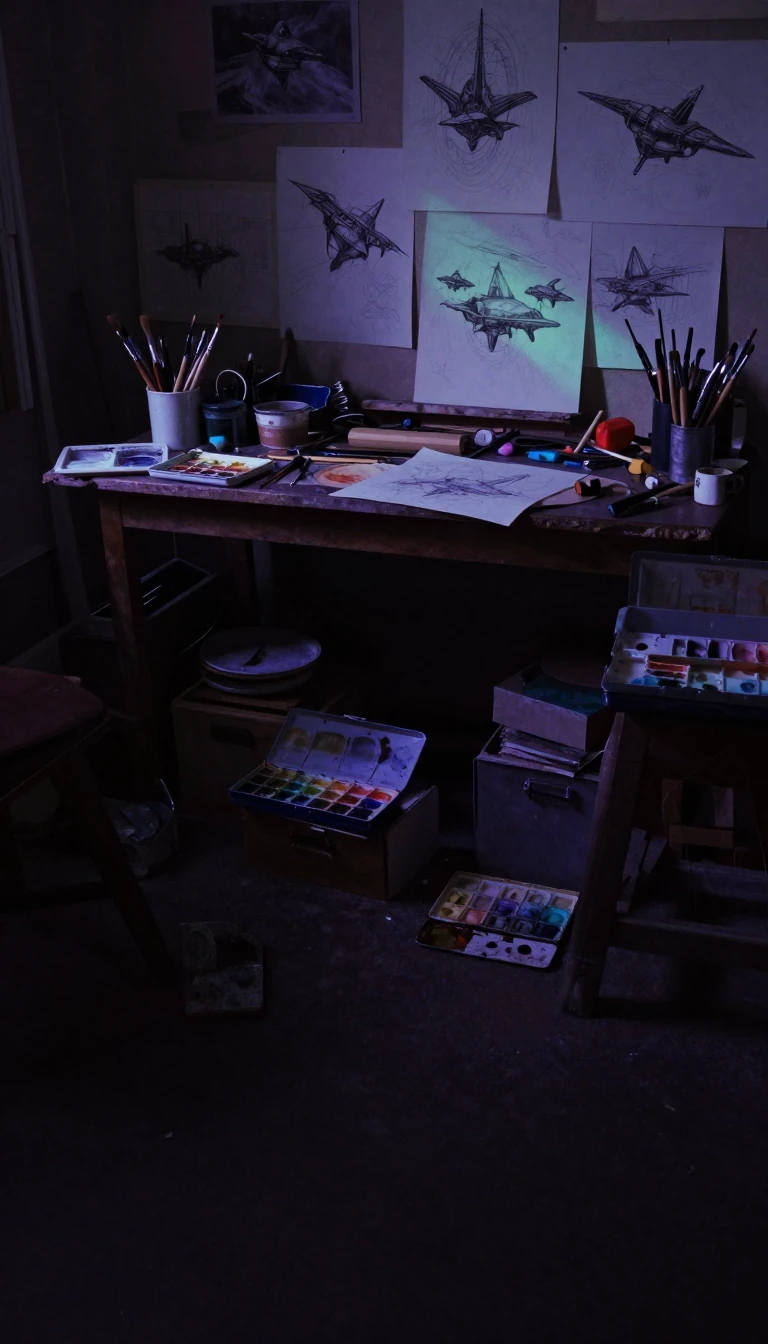
In short: Hayao Miyazaki hit a creative wall while developing Ponyo, until a chance encounter with a 19th-century painting changed his perspective on animation. He abandoned complex digital techniques to embrace a hand-drawn, elemental style, ultimately creating a worldwide commercial success that defied the industry's reliance on computer-generated imagery.
During the production of Ponyo, which began in May 2006, director Hayao Miyazaki sought to move away from the computer-generated imagery that had been a part of Studio Ghibli's repertoire since 1997. His creative breakthrough occurred at the Tate Britain art museum, where he viewed John Everett Millais's 1852 painting, Ophelia. Struck by the artist's meticulous detail, Miyazaki felt his own previous work appeared shoddy, prompting a shift toward a simpler, more expressive animation style. He collaborated with animation supervisor Katsuya Kondō to implement a technique using solid, simple lines, drawing inspiration from Kondō's work on the 2006 short film House Hunting.
The production philosophy prioritized traditional, hand-drawn animation over digital shortcuts. For instance, while standard animation often slides a single cel to depict a moving ship, Miyazaki insisted that the ships in Ponyo be drawn frame-by-frame. This dedication to elemental motion extended to the film's visual design, which utilized saturated colors and minimal composition to evoke Japanese design characteristics like ambiguity and playfulness. The studio even closed its computer graphics section to ensure the team remained focused on these hand-drawn goals, aiming to demonstrate the unique advantages of the medium.
Released in Japan on July 19, 2008, the film became a massive commercial success, grossing over $204 million worldwide. Its production was deeply influenced by Miyazaki's time in the seaside town of Tomonoura, where he developed the setting and characters, including the protagonist Ponyo. The film's name itself was chosen as an onomatopoeia for a soft, squishy sensation. Despite the technical rigor behind its creation, the film was celebrated for its uplifting themes and universal appeal, earning critical acclaim and numerous accolades, including Animation of the Year at the 32nd Japan Academy Prize and the 8th annual Tokyo Anime Awards.
Opens the Intellect+ feed with this card first. Swipe up for the next one.
Sources
- Summary by Intellect · source: Ponyo
To cite this card, link to https://intellectplus.co.uk/app/ideas-ponyo.
How we source, check and correct cards: Editorial standards.
General information, not professional advice. Spotted an error? Flag the card or see corrections and complaints.
Intellect Plus is a visual educational discovery platform for exploring fascinating facts and ideas. Brain Food, Not Brain Rot. What is Intellect Plus?
Related
More in Writers · More in Ideas & Philosophy · Latest · A–Z · All topics
