Ragnarök is not just the end of the world, but a cycle of rebirth.
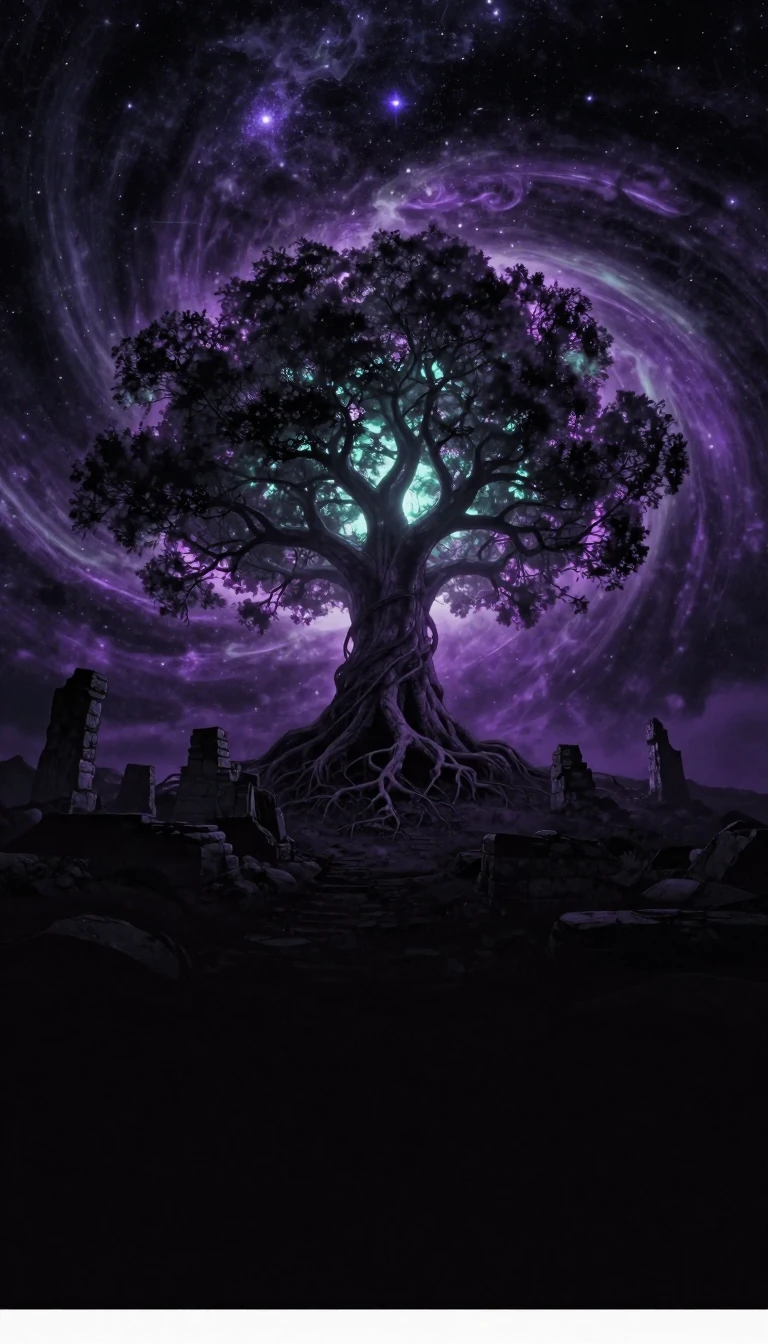
In short: In Norse mythology, Ragnarök is a foretold cataclysm where gods perish in a final battle against monsters. Yet, this destruction is not absolute. The world is destined to sink into the sea, only to rise again, cleansed and fertile, repopulated by human survivors and the next generation of gods.
Ragnarök, or the 'final destiny of the gods,' is a complex series of events detailed primarily in the 13th-century Poetic Edda and the Prose Edda by Snorri Sturluson. The term itself has been subject to scholarly debate; while often translated as 'twilight of the gods'—a reading popularized by Richard Wagner’s 1876 opera Götterdämmerung—philologists often distinguish between ragnarök, meaning the doom of the gods, and ragnarøkkr, meaning their twilight.
The catastrophe begins with Fimbulwinter, a period of three consecutive winters without a summer, accompanied by moral decay as kinship bonds collapse. As the world tree Yggdrasil shudders, monsters break their chains: the wolf Fenrir, the serpent Jörmungandr, and the hound Garmr run free. The gods meet their fates in battle; Odin is swallowed by Fenrir, Thor kills Jörmungandr but dies from its venom, and the fire giant Surtr covers the earth in flames. The sky splits, and the world sinks into the ocean.
Crucially, the narrative does not end in total annihilation. The earth reappears from the water, green and self-sown. Surviving gods, including Víðarr, Váli, and Thor’s sons Móði and Magni, gather to recount memories and find golden game pieces once enjoyed by their predecessors. Two humans, Líf and Lífþrasir, emerge from the forest of Hoddmímis holt to repopulate the world. This cycle of destruction and renewal reflects a profound Norse perspective on fate, where even the gods are subject to an inevitable end, yet life persists.
Evidence of these myths appears in syncretic art from the Viking Age, such as the 10th-century Thorwald's Cross and the 11th-century Ledberg stone. These monuments often fuse Norse prophetic themes with Christian imagery, suggesting that the concept of Ragnarök resonated deeply during periods of religious transition. Whether interpreted as a literal end or a symbolic transformation, Ragnarök remains a cornerstone of Germanic studies, illustrating a worldview where death and rebirth are inextricably linked.
Opens the Intellect+ feed with this card first. Swipe up for the next one.
Sources
- Summary by Intellect · source: Ragnarök
To cite this card, link to https://intellectplus.co.uk/app/ideas-ragnar-k.
How we source, check and correct cards: Editorial standards.
General information, not professional advice. Spotted an error? Flag the card or see corrections and complaints.
Intellect Plus is a visual educational discovery platform for exploring fascinating facts and ideas. Brain Food, Not Brain Rot. What is Intellect Plus?
Related
More in Mythology · More in Ideas & Philosophy · Latest · A–Z · All topics
