Was the legendary Viking hero Ragnar Lodbrok a single man or a composite myth?
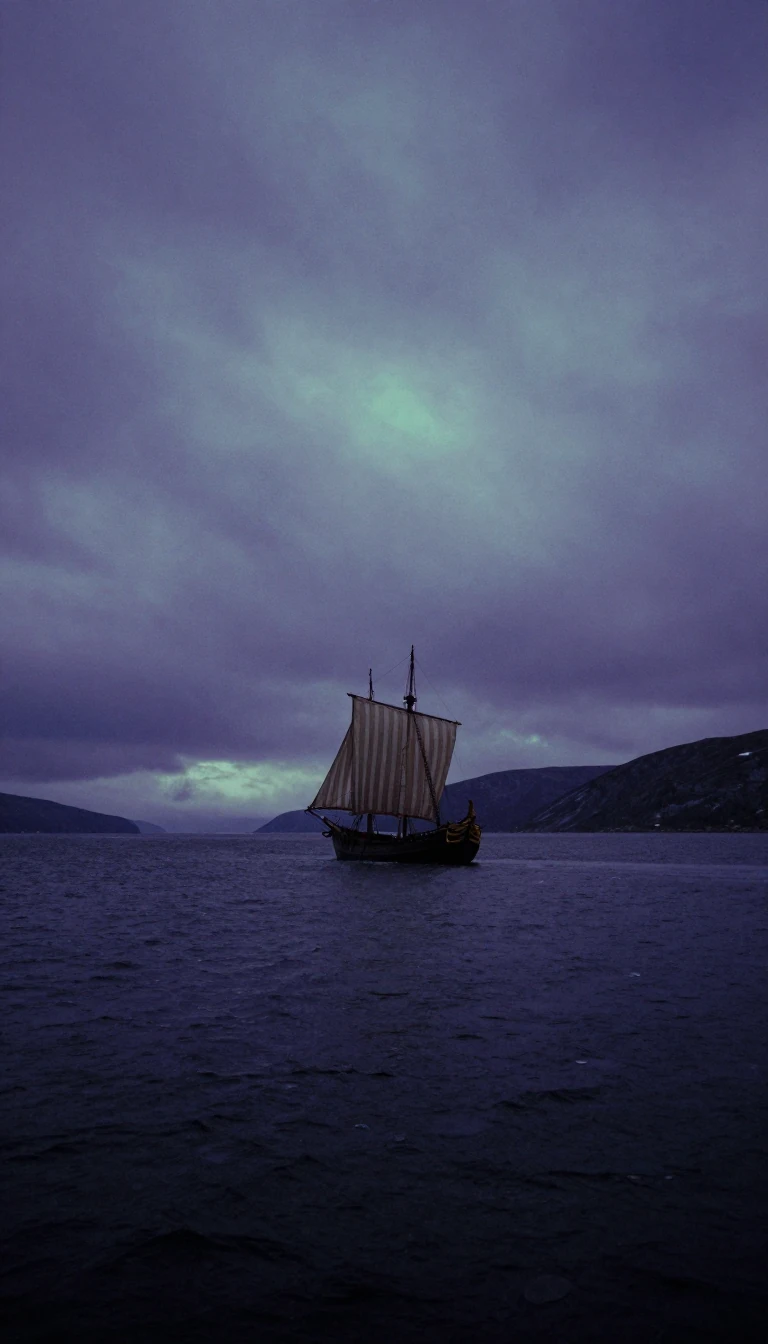
In short: Ragnar Lodbrok is a titan of Norse legend, famous for his dragon-slaying, shield-maiden wives, and a tragic death in a snake pit. Yet, while his sons were undeniably real historical figures who led the Great Heathen Army, scholars suggest the man himself may be a literary invention.
The figure of Ragnar Lodbrok appears in a vast array of 12th and 13th-century Icelandic sagas and the Latin Gesta Danorum. These accounts paint a picture of a king who raided the British Isles and the Carolingian Empire, married women of immense beauty and wisdom, and fathered legendary warriors like Ivar the Boneless and Björn Ironside. However, the narratives are often contradictory. Saxo Grammaticus, writing around 1200, likely consolidated disparate historical events and various Viking leaders into the singular, heroic reign of one man to create a cohesive national history.
Historians point out that while Ragnar’s sons are well-documented in contemporary Anglo-Saxon and Irish chronicles, their father remains elusive. The name 'Ragnar' or 'Reginherus' appears in records of the 845 Siege of Paris and in Irish annals, but identifying these individuals with the legendary Lodbrok is highly contested. Some scholars, such as Hilda Ellis Davidson, have argued that parts of his story might be based on historical fact, yet contemporary academia largely views the sagas as fiction. The name itself, meaning 'hairy-breeches,' and the tradition of his sons' banner woven by his daughters, further blur the line between historical record and myth.
The complexity of his legacy is compounded by the fact that medieval chroniclers often used his name to explain the origins of various Viking raids. By the 12th century, the story of his execution by King Ælla of Northumbria—a tale that mirrors the death of the early Burgundian king Gunnar—had become the standard explanation for the Great Heathen Army's invasion of England in 866. Whether Ragnar was a real chieftain or a symbolic vessel for the collective memory of the Viking Age, he remains an essential, if mysterious, pillar of Scandinavian identity.
Opens the Intellect+ feed with this card first. Swipe up for the next one.
Sources
- Summary by Intellect · source: Ragnar Lodbrok
To cite this card, link to https://intellectplus.co.uk/app/ideas-ragnar-lodbrok.
How we source, check and correct cards: Editorial standards.
General information, not professional advice. Spotted an error? Flag the card or see corrections and complaints.
Intellect Plus is a visual educational discovery platform for exploring fascinating facts and ideas. Brain Food, Not Brain Rot. What is Intellect Plus?
Related
More in Mythology · More in Ideas & Philosophy · Latest · A–Z · All topics
