Is addiction a biological destiny or a byproduct of isolation?
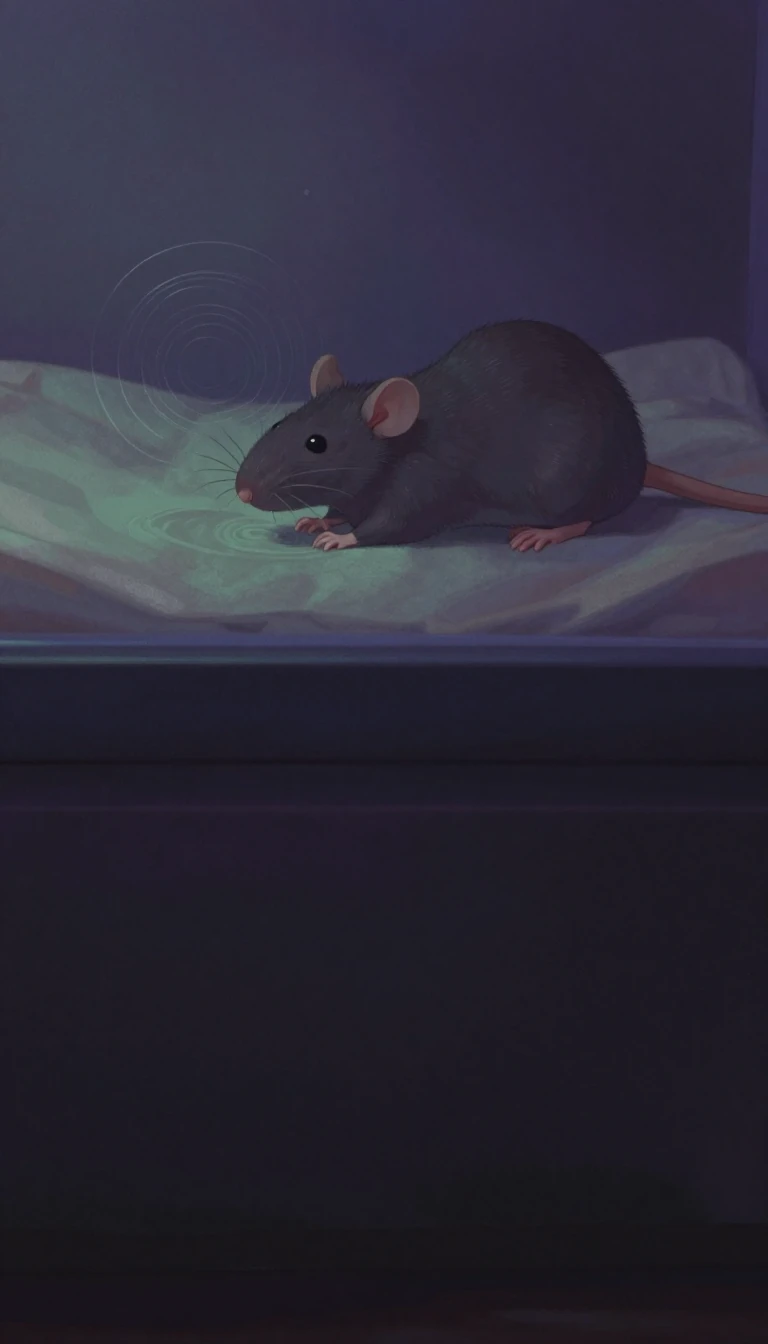
In short: In the late 1970s, a psychologist built a playground for rats to test a radical theory: perhaps drug addiction isn't just about the chemicals, but about the quality of our lives. The results challenged the status quo of laboratory science and sparked a global debate on human behavior.
During the 1970s, a Canadian psychologist named Bruce K. Alexander and his Simon Fraser University team performed several experiments dubbed 'Rat Park.' Traditionally, morphine research at that period involved keeping rats alone in tiny metal enclosures. Alexander hypothesized that these austere, isolated conditions were a primary driver of drug self-administration. To test this, he created a large housing colony 200 times the size of a standard cage, filled with social interaction, food, balls, and wheels.
The results were striking: rats in the enriched 'park' environment showed a statistically significant preference for plain water over a sweetened morphine solution. In contrast, rats kept in isolated cages took to the morphine instantly. One notable group—rats raised in cages but moved to the park before the experiment—rejected the morphine when it was strong, but began drinking it as it became more diluted and sweet. Alexander concluded that these animals wanted the sweetness, provided it did not disrupt their social behavior.
However, the 'Rat Park' legacy is complex. Subsequent replications have produced mixed results; some suggest genetic differences between rat strains may have influenced Alexander's original findings. Critics also point to methodological issues, such as the small number of subjects and the use of oral morphine, which doesn't perfectly mimic human drug use. While the study is often cited in popular media to argue that addiction is purely a social issue, researchers caution that it does not prove environment is the *only* factor. Instead, it serves as a critical reminder that laboratory conditions can profoundly bias our understanding of biology.
theme-key: perspective mood-key: reflective difficulty-key: 2 topics-key: [psychology, neuroscience, addiction-research]
Rat Park comprised a sequence of investigations carried out during the late 1970s and released from 1978 to 1981. The Rat Park housing colony possessed a floor area 200 times larger than a typical laboratory cage. In one specific experimental setup, males in cages consumed 19 times more morphine than those in Rat Park. A replication study showed that both park and caged rats exhibited a lower morphine preference than Alexander's first study. A 1996 try by Bruce Petrie failed to replicate the findings.
Opens the Intellect+ feed with this card first. Swipe up for the next one.
Sources
- Summary by Intellect · source: Rat Park
To cite this card, link to https://intellectplus.co.uk/app/ideas-rat-park.
How we source, check and correct cards: Editorial standards.
General information, not professional advice. Spotted an error? Flag the card or see corrections and complaints.
Intellect Plus is a visual educational discovery platform for exploring fascinating facts and ideas. Brain Food, Not Brain Rot. What is Intellect Plus?
Related
More in Famous psychology experiments · More in Ideas & Philosophy · Latest · A–Z · All topics
