Is Egypt a secular state or a religious one, and how do we know?
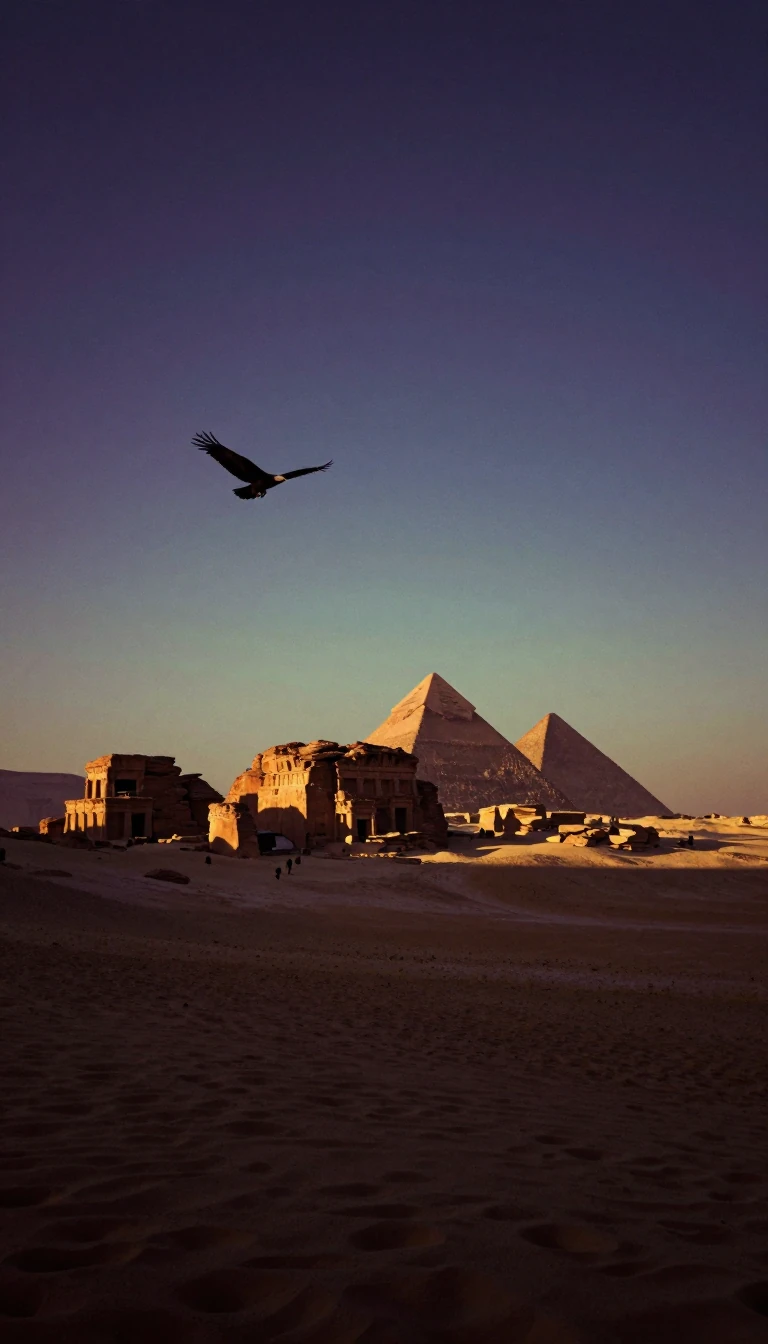
In short: Egypt’s religious identity is a complex tapestry of ancient continuity and modern legal frameworks. While Islam is the state religion, the true demographic breakdown remains a subject of intense controversy. From the pharaonic past to the modern era, religion shapes everything from personal status laws to national political life.
The religious landscape of Egypt is defined by a deep sense of continuity. Despite the transition from ancient polytheism to Christianity and eventually Islam, many cultural practices—such as funerary laments and specific food traditions—persist as echoes of the distant past. Today, the state is officially Sunni Muslim, a status solidified by the 1980 constitutional amendment to Article 2, which mandates that legislation must align with Islamic law. This marks a significant departure from Egypt’s earlier period as a secular state.
Demographics remain a point of friction. Official censuses have excluded religion since 2006, leading to reliance on estimates from international agencies and religious bodies. While the government often cites figures near 95% Muslim and 5% Christian, Christian leaders and various international reports suggest the Christian population is likely between 10% and 15%. This discrepancy is fueled by allegations of systemic undercounting, which has persisted since at least 1927. The Coptic Orthodox Church, founded traditionally by Saint Mark in the 1st century CE, remains the largest Christian denomination, serving as a pillar of Egypt’s religious heritage.
Legal and social dynamics further complicate the picture. Article 64 of the constitution guarantees freedom of belief, yet this is restricted to the three 'recognized' Abrahamic faiths: Islam, Christianity, and Judaism. Other groups, such as the Baháʼí, face significant hurdles in obtaining identification documents. Furthermore, conversion laws are asymmetrical; while conversion to Islam is straightforward, those leaving Islam for another faith face severe bureaucratic and legal risks. Despite these tensions, Egypt remains a major center of Islamic learning, anchored by the historic Al-Azhar University, founded in 970 CE, which continues to influence orthodox interpretations of faith across the country.
Opens the Intellect+ feed with this card first. Swipe up for the next one.
Sources
- Summary by Intellect · source: Religion in Egypt
- Also: www.britannica.com — What are the major religions in Egypt? | Britannica
To cite this card, link to https://intellectplus.co.uk/app/ideas-religion-in-egypt.
How we source, check and correct cards: Editorial standards.
General information, not professional advice. Spotted an error? Flag the card or see corrections and complaints.
Intellect Plus is a visual educational discovery platform for exploring fascinating facts and ideas. Brain Food, Not Brain Rot. What is Intellect Plus?
Related
More in Religion and spirituality · More in Ideas & Philosophy · Latest · A–Z · All topics
